Spermidine is a polyamine: a small, positively charged molecule found in virtually every cell in the human body. Concentrated in foods like wheat germ, mature soybeans, and aged cheeses, it is also synthesized internally through the body’s own metabolic pathways. For decades it was studied mainly in the context of cell growth and gene regulation, but a growing body of research now focuses on something more specific: the observation that spermidine levels tend to fall as we age, and that this decline coincides with a measurable reduction in a critical cellular maintenance process called autophagy.
This article explores the proposed biology behind that decline: why internal production drops, how the gut microbiome figures into the picture, and what happens to cells when spermidine becomes less available. The evidence discussed here comes from animal models and a limited number of small human studies; it represents a promising area of research rather than established clinical medicine. These statements have not been evaluated by the FDA; this content is informational only and does not constitute medical advice.
Key Takeaways
- Spermidine is a naturally occurring polyamine produced internally and obtained from foods like wheat germ and soybeans; spermidine fell with age in human T cells studied in culture and in several mouse tissues, while a whole-blood study in 78 people found the lowest levels at ages 60 to 80 [4][5][6].
- The decline involves reduced endogenous biosynthesis, age-related gut microbiome shifts, and often lower dietary intake: factors that compound over decades.
- Spermidine is proposed to support cellular health primarily by activating autophagy, the process cells use to identify and recycle damaged components [1].
- A specialized form of autophagy called mitophagy, which selectively removes defective mitochondria, is also linked to spermidine activity and may be relevant to age-related cellular energy decline [2].
- Human clinical evidence remains limited in scale and duration; the research is promising but early, and spermidine is not a substitute for medical evaluation or treatment.
What Spermidine Is and Where It Comes From
Spermidine belongs to a family of compounds called polyamines, which also includes putrescine and spermine. All three are produced endogenously from the amino acid ornithine through a tightly regulated biosynthetic pathway. Cells use polyamines across a wide range of processes: stabilizing DNA and RNA structure, regulating gene expression, supporting protein synthesis, and modulating cell growth and differentiation.
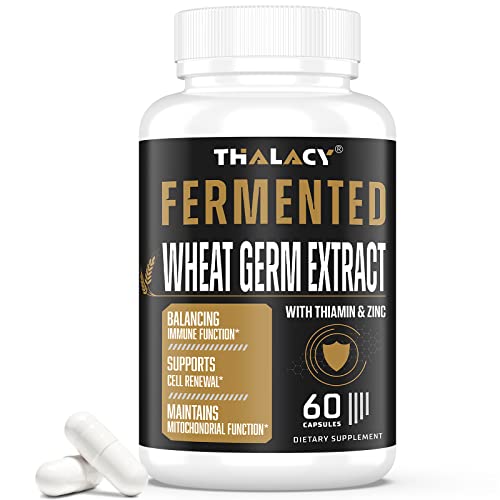
Beyond internal production, spermidine enters the body through dietary sources. Wheat germ carries some of the highest concentrations found in food, followed by soybeans, mushrooms, mature aged cheeses, and certain fermented foods. The gut microbiome is an additional source: specific bacterial strains synthesize spermidine during fermentation, meaning that microbiome composition can meaningfully affect circulating polyamine levels even when diet stays constant.
This dual origin, endogenous synthesis plus dietary and microbial input, means that spermidine availability reflects not just what a person eats but also the health of their metabolic machinery and the composition of their gut bacteria, both of which shift across a lifetime.
The Age-Related Decline: What Changes and Why
Spermidine fell with age in human T cells studied in culture and in several mouse tissues, but a whole-blood study in 78 people found spermidine and spermine lowest at ages 60 to 80, not in the oldest group, and some mouse tissues kept their levels [4][5][6]. Several mechanisms are thought to contribute. First, the enzymes that drive spermidine biosynthesis (particularly spermidine synthase, which converts putrescine to spermidine) appear to become less active with age, reducing internal production. Second, gut bacteria are one source of spermidine, but no fact here shows that age-related microbiome change lowers spermidine in people [7].
In a whole-blood study of 78 people, spermidine was lowest at ages 60 to 80, not in the oldest group
Highest total polyamines
Total polyamine content was higher here than in both older groups.
Lowest spermidine and spermine
This middle group had the lowest whole-blood levels of both.
Not the lowest
Spermine made up 30.6% of total polyamines, against 13.2% and 14.1% in the other two groups.
This study does not show spermidine falling steadily with age.
Cross-sectional measurement in whole blood, 78 sex-matched unrelated people. An association, with no supplement given. Source: Pucciarelli et al., Rejuvenation Research 2012
Embed this chart
Free to reuse on your site. Copy the code below; please keep the credit link.
Research note: In volunteers on supervised therapeutic fasting at about 250 kcal per day for 7-13 days, serum spermidine rose significantly, while putrescine and spermine did not. This is a fasting effect on blood levels, not a result of taking spermidine [15].
Dietary patterns also shift with age. Older adults on average consume fewer calories overall, and wheat germ and fermented foods are not staples in most Western diets at any age. These factors are proposed explanations, not shown causes, and a whole-blood study in 78 people found the lowest spermidine at ages 60 to 80 rather than a steady fall into the oldest group [6].

The significance of this decline likely lies in what spermidine does at the cellular level: specifically, its proposed role in activating autophagy, the process by which cells dismantle and recycle damaged or dysfunctional components.
Autophagy: The Cellular Self-Cleaning Process That Slows With Age
Autophagy (from the Greek for ‘self-eating’) is the mechanism cells use to identify, isolate, and break down damaged proteins, misfolded molecules, and worn-out organelles. The resulting molecular components are recycled into building blocks for new cellular structures. When autophagy functions efficiently, cells maintain a healthier internal environment; when it falters, damaged material accumulates and can interfere with normal function.
Autophagy activity is known to decline with aging. Researchers examining aging and age-related cardiovascular conditions have noted that this reduction in autophagic flux may contribute to the progressive accumulation of cellular damage observed over time [3]. The relationship appears bidirectional: aging suppresses autophagy, and impaired autophagy may in turn accelerate aspects of cellular dysfunction.
Spermidine has been identified as one of a small number of naturally occurring compounds that can activate autophagy through epigenetic and signaling mechanisms: specifically by inhibiting certain histone acetyltransferases, which leads to changes in gene expression that promote autophagic activity [1]. This positions spermidine as a dietary compound with a proposed mechanistic link to a well-characterized hallmark of cellular aging.
Mitophagy: Clearing Damaged Mitochondria as We Age
A specialized subset of autophagy called mitophagy selectively targets damaged or dysfunctional mitochondria: the organelles responsible for generating the energy currency cells rely on. Mitochondria accumulate damage over time through oxidative stress and replication errors, and clearing defective mitochondria is considered an important component of maintaining cellular energy efficiency as we age [2].
Research distinguishing the roles of different autophagy-activating compounds has found that spermidine and urolithin A, a compound produced from dietary polyphenols by gut bacteria, activate mitophagy and broader autophagy through partly distinct molecular pathways [1]. This specificity matters because it suggests different dietary compounds may complement rather than simply duplicate one another in supporting cellular maintenance.
The connection between mitochondrial health and aging is well established: declining mitochondrial function is associated with reduced energy production, increased oxidative stress, and downstream effects on tissue function throughout the body. The proposed role of spermidine in supporting mitophagic clearance of defective mitochondria is therefore an area of genuine scientific interest, even as the evidence in humans remains early-stage [2].

Muscle Aging and the Autophagy Connection
One area where declining autophagy has functional consequences is skeletal muscle. Sarcopenia, the progressive loss of muscle mass and strength that typically accelerates after middle age, involves accumulation of damaged proteins and organelles within muscle fibers, impaired regeneration of muscle stem cells, and chronic low-level inflammation. Autophagy is thought to play a protective role in muscle maintenance by clearing cellular debris before it disrupts normal function.
The muscle evidence for spermidine itself comes from mice and is mixed: one study reported it activated muscle stem cells and regeneration, while two others found lower muscle fibre area and no help for overload-induced growth [8][9][10]. While that specific study examined a different natural compound rather than spermidine directly, the broader principle, that autophagy activation may counter some aspects of muscle aging, is consistent with the proposed mechanism by which spermidine is studied.
These findings suggest that the age-related decline in spermidine and the parallel decline in autophagy may have relevance not only at the molecular level but for tissue-level outcomes like muscle function. Most of this evidence, however, still derives from animal and preclinical models, and well-powered clinical trials in humans are limited.
Mouse results on muscle conflict. One study found spermidine in drinking water did not boost overload-induced muscle growth and mean fibre area went down, and another reported lower gastrocnemius cross-sectional area after long-term dosing [9][10].
What the Declining Levels May Mean Over Time
Taken together, the proposed picture is this: as spermidine levels fall with age (through reduced synthesis, microbiome shifts, and dietary changes) cells receive less of a compound that helps drive the housekeeping process of autophagy. Autophagy itself also declines with age through independent mechanisms including mTOR pathway dysregulation and AMPK changes, and these parallel trends may reinforce each other. The proposed result is an environment in which damaged cellular components accumulate more readily than they are cleared.
This accumulation has been linked in research literature to aspects of cardiovascular aging, muscle decline, and broader mitochondrial dysfunction [3][2]. Mitochondrial health is particularly relevant here: impaired clearance of defective mitochondria may contribute to the gradual energy deficit and increased oxidative stress seen in aging tissues.
It is worth being direct about the limits of this framework. Most mechanistic evidence comes from model organisms: yeast, roundworms, fruit flies, and rodents. Human trials of spermidine supplementation are small, and the largest, SmartAge in 100 older adults over 12 months, did not meet its primary memory endpoint [11][12]. The scientific distance between ‘spermidine induces autophagy in model organisms’ and ‘spermidine supplementation meaningfully supports healthy human aging’ has not yet been fully closed by clinical evidence.
🛒 Where to Buy Spermidine
- Oxford Healthspan Primeadine Original
capsules, 1 mg spermidine per capsule, 3 capsules/day recommended: Whole-food wheat germ concentrate; includes other natural polyamines; most-cited premium brand in longevity community; batches independently tested by third-party labs per the brand. - Double Wood Supplements Spermidine
capsules, 10 mg wheat germ extract (standardized to provide spermidine) per capsule: Budget-accessible entry point; clearly labeled wheat germ extract source; Double Wood is a reputable US brand with good COA transparency. - Renue By Science Spermidine
capsules, 10 mg wheat germ extract per capsule, 1-2 capsules/day: Longevity-focused brand known for NMN and NAD precursors; offers spermidine as part of a stack ecosystem; good option for existing Renue customers
As an Amazon Associate we earn from qualifying purchases. Spermidine labels are easy to misread: the headline number is usually wheat germ extract weight, which can be several hundred times the spermidine inside it. Choose a product that states the milligrams of actual spermidine per serving along with the standardization percentage behind that figure, check the allergen disclosure if you avoid wheat, and with synthetic spermidine trihydrochloride confirm whether the stated milligrams refer to the salt or to the free base.


A Note on the Evidence
The evidence for spermidine’s effects on human aging is preliminary; most mechanistic findings come from animal models and small short-term human studies, meaning long-term safety and efficacy data beyond approximately two years remain limited. Spermidine supplements are most commonly derived from wheat germ, so individuals with wheat allergies should verify the source before use, and anyone with a chronic health condition or taking medications should consult a qualified healthcare provider before adding any new supplement to their routine.
Frequently Asked Questions
At what age do spermidine levels typically start to decline?
The evidence does not fix an age at which spermidine starts to fall. In a whole-blood study of 78 people, spermidine and spermine were lowest at ages 60 to 80 and were not lowest in the oldest group, and in mice tissue levels fell in many organs while pancreas, brain and uterus kept theirs [6][5].
How does autophagy relate to the aging process?
Autophagy is the cellular mechanism for clearing damaged proteins and organelles, and its activity is known to decline with age. Research has associated this reduction in autophagic efficiency with age-related cellular changes including in cardiovascular tissues [3]. Maintaining autophagy function is therefore considered one proposed avenue for supporting cellular health during aging, though translating this into clear clinical recommendations requires more human evidence.
What makes spermidine different from other compounds proposed to activate autophagy?
Research comparing spermidine and urolithin A found that despite both being proposed autophagy activators, they operate through partly distinct molecular pathways, particularly in how they engage mitophagy [1]. This suggests the two compounds may have complementary rather than fully overlapping roles in cellular maintenance, though human evidence for both remains in early stages.
Is declining spermidine the primary reason autophagy decreases with age?
No. Autophagy is regulated by multiple converging pathways (including mTOR signaling, AMPK activity, and levels of autophagy-initiating proteins) all of which change with age independently of spermidine. Declining spermidine is proposed as one contributing factor among several, not the sole or necessarily dominant cause.
Can diet alone compensate for the age-related decline in spermidine?
Whether diet raises blood spermidine is unclear: in a small natto trial, blood spermine rose but blood spermidine did not [13]. Wheat germ, mature soybeans, aged cheeses, mushrooms, and fermented foods are meaningful dietary sources. However, how well increased dietary intake offsets declining endogenous synthesis has not been rigorously quantified in large human trials, and individual absorption varies with gut microbiome composition and overall digestive health.
Is the research on spermidine and muscle aging applicable to humans?
Evidence on spermidine and muscle comes from mouse models and is mixed, with some studies reporting regeneration benefits and others lower muscle fibre area [8][9][10][14]. This is mechanistically consistent with how spermidine is proposed to work, but well-powered human clinical trials specifically targeting muscle outcomes with spermidine supplementation remain limited, so caution in extrapolating these findings is warranted.
References
- Borsky P et al. Distinct roles of urolithin A and spermidine in mitophagy and autophagy: implications for dietary supplementation. Nutrition research reviews (2025). PMID 41404767
- Qin X et al. Enhancing healthy aging with small molecules: A mitochondrial perspective. Medicinal research reviews (2024). PMID 38483176
- Ren J et al. Targeting Autophagy in Aging and Aging-Related Cardiovascular Diseases. Trends in pharmacological sciences (2018). PMID 30458935
- Ghada Alsaleh et al. Autophagy in T cells from aged donors is maintained by spermidine and correlates with function and vaccine responses. eLife (2020). PMID 33317695
- Kazuhiro Nishimura et al. Decrease in Polyamines with Aging and Their Ingestion from Food and Drink. The Journal of Biochemistry (2006). PMID 16428322
- Stefania Pucciarelli et al. Spermidine and Spermine Are Enriched in Whole Blood of Nona/Centenarians. Rejuvenation Research (2012). PMID 22950434
- Hofer SJ et al. Spermidine-induced hypusination preserves mitochondrial and cognitive function during aging. Autophagy (2021). PMID 34105442
- Zhang Q et al. Spermidine-eIF5A axis is essential for muscle stem cell activation via translational control. Cell discovery (2024). PMID 39251577
- Iwata T et al. Effect of spermidine intake on overload-induced skeletal muscle hypertrophy in male mice. Physiological reports (2025). PMID 39910742
- Zhang L et al. Spermidine-Activated Satellite Cells Are Associated with Hypoacetylation in ACVR2B and Smad3 Binding to Myogenic Genes in Mice. Journal of agricultural and food chemistry (2018). PMID 29224337
- Claudia Schwarz et al. Effects of Spermidine Supplementation on Cognition and Biomarkers in Older Adults With Subjective Cognitive Decline. JAMA Network Open (2022). PMID 35616942
- Uemura T et al. Polyamine metabolism as a regulator of cellular and organismal aging. Amino acids (2026). PMID 41617890
- Soda K et al. Long-term oral polyamine intake increases blood polyamine concentrations. Journal of nutritional science and vitaminology (2009). PMID 19763038
- Galasso L et al. Polyamines and Physical Activity in Musculoskeletal Diseases: A Potential Therapeutic Challenge. International journal of molecular sciences (2023). PMID 37372945
- Hofer SJ et al. Spermidine is essential for fasting-mediated autophagy and longevity. Nature cell biology (2024). PMID 39117797
These statements have not been evaluated by the Food and Drug Administration. This information is not intended to diagnose, treat, cure, or prevent any disease. Content is for informational purposes only and is not medical advice; consult a qualified healthcare provider before starting any supplement. As an Amazon Associate we earn from qualifying purchases.