Two compounds appear consistently near the top of longevity research discussions: spermidine, a naturally occurring polyamine found in wheat germ, soybeans, and aged cheese, and resveratrol, a polyphenol concentrated in red grape skins and berries. Both have attracted serious scientific attention as potential caloric restriction mimetics: compounds that may reproduce some of the cellular effects of eating less without the restriction itself [1]. Yet they work through fundamentally different biological pathways, which has practical implications for anyone trying to understand what each compound does and why.
This article walks through the proposed mechanisms for each compound, what published research shows, and where the two pathways unexpectedly intersect. As with all longevity science, the most compelling data currently comes from animal models and cell studies; human clinical trials remain smaller and shorter than researchers would like. Nothing here constitutes medical advice, and these statements have not been evaluated by the FDA.
Key Takeaways
- Resveratrol works primarily by activating sirtuin enzymes (especially SIRT1), which regulate metabolism, gene expression, and DNA repair [2].
- Spermidine works primarily by inhibiting acetyltransferase enzymes, promoting autophagy through a mechanistically distinct route from resveratrol [3].
- Despite different upstream pathways, both compounds converge on the cellular acetylproteome and both promote autophagy: suggesting they are complementary rather than interchangeable [3].
- Most of the strongest longevity evidence for both compounds comes from animal and cell models; large, long-duration human trials remain limited for both.
- Both are classified as caloric restriction mimetics and may work best as part of a broader approach to supporting metabolic health, not as standalone interventions [1].
Resveratrol: Activating the Sirtuin Pathway
Resveratrol’s primary proposed mechanism centers on the sirtuin family of proteins, particularly SIRT1: a NAD+-dependent deacetylase that regulates gene expression, DNA repair, inflammation, and metabolic function. Early research identified resveratrol as a small-molecule activator of SIRT1, positioning it as a potential mimic of the metabolic benefits associated with caloric restriction [2]. This sirtuin-activation hypothesis generated substantial scientific interest, partly because SIRT1 activity declines with age and is associated with a range of age-related processes.
Subsequent research has refined and complicated the original picture. Sirtuin activators including resveratrol have been shown to influence multiple downstream targets, and the question of whether resveratrol activates SIRT1 directly or indirectly, through raising NAD+ levels or other intermediaries, has been actively debated in the literature [4]. In animal and cell models, resveratrol demonstrated a broad range of effects on metabolic and inflammatory markers [5]. More recent reviews have documented proposed benefits across cardiovascular, metabolic, and neuroprotective domains, while also noting that bioavailability is limited and that adverse effects at very high doses merit attention [6].
Spermidine: Inducing Autophagy Through a Different Route
Spermidine belongs to a class of small molecules called polyamines, which are present in virtually all living cells; spermidine falls with age in T cells from human donors and in mouse muscle, but whole blood from 78 people did not show a steady fall with age [12][13][14]. Its primary proposed mechanism for supporting healthy aging is the induction of autophagy: the cellular process by which damaged proteins and organelles are broken down and recycled. Research has proposed that autophagy is required for the lifespan-extending effects of caloric restriction and that its impairment accelerates aging-associated pathology [7].
Research note: A review of resveratrol’s benefits and adverse effects cites a report that 1 g/day resveratrol raised cardiovascular-disease biomarkers in overweight older adults [6].
Unlike resveratrol, spermidine does not appear to work primarily through sirtuin activation. Instead, it is proposed to inhibit acetyltransferase enzymes, the enzymes that add acetyl groups to proteins, thereby shifting the balance of protein acetylation in a way that promotes autophagy induction. This is a mechanistically distinct route to a similar cellular outcome [3]. Spermidine is found naturally in common foods, and in the 12-month SmartAge trial of wheat germ extract adverse events were balanced with placebo, though long-term human safety data remain limited [15]. Individuals with wheat allergies should verify the source of any supplement, as wheat germ is a primary extraction material.

Where the Two Pathways Converge: The Acetylproteome
A key 2011 study published in the Journal of Cell Biology examined spermidine and resveratrol side by side and found something notable: despite working through entirely different upstream mechanisms, both compounds ultimately converge on changes to the acetylproteome, the full set of acetylated proteins inside the cell [3]. Spermidine inhibits acetyltransferases to reduce protein acetylation; resveratrol activates deacetylases (sirtuins) to remove acetyl groups. Both routes decrease net protein acetylation, and both promote autophagy. In that study, both were able to induce autophagy in cytoplasts (enucleated cells).
This convergence has theoretical significance: it suggests that aging-related decline in autophagy can be addressed through more than one molecular lever. The authors also found that combining spermidine and resveratrol synergistically induced autophagy at doses where neither compound stimulated it alone, consistent with distinct upstream mechanisms that converge on the same downstream targets [3]. Whether this holds in humans at practical supplemental doses is not yet established in clinical trials.
Caloric Restriction Mimetics: A Broader Framework
Both spermidine and resveratrol are classified as caloric restriction mimetics: a category that also includes rapamycin, metformin, and NAD+ precursors. A 2019 review in Cell Metabolism described caloric restriction mimetics as agents that induce autophagy and related cellular housekeeping processes to combat age-associated disease, identifying both compounds within a growing landscape of candidate interventions [1]. Rapamycin, which inhibits mTOR signaling and is among the most studied longevity compounds in animal models, has also been shown to enhance the generation of induced pluripotent stem cells alongside other longevity-promoting compounds, pointing to shared downstream effects on cellular renewal processes [8].
Within this broader framework, spermidine and resveratrol occupy distinct mechanistic niches. Resveratrol’s sirtuin pathway overlaps with NAD+ biology and cellular energy-sensing, while spermidine’s acetyltransferase-inhibition pathway sits closer to the chromatin-regulation and autophagy-induction axis. A 2025 review examining dietary and pharmacological modulation of aging-related metabolic pathways noted that approaches targeting distinct molecular nodes may offer theoretical advantages over single-target strategies, though this hypothesis awaits validation in large human trials [9].
What the Clinical Research Currently Shows
Human evidence for resveratrol spans a range of contexts and outcomes. In vitro and animal data are extensive, with proposed cardiovascular, metabolic, and anti-inflammatory effects documented across numerous studies [5]. Resveratrol has also been investigated for dermatological applications, where antioxidant and anti-inflammatory properties have been proposed to support skin health [10]. In the context of joint health, research has examined SIRT1 and resveratrol’s potential role in osteoarthritis, with proposed mechanisms including attenuation of inflammatory cytokines and protection of chondrocyte function [11]. A comprehensive 2025 review synthesized clinical evidence and noted that while findings are often promising, the magnitude of effects in humans is frequently modest and poor oral bioavailability remains a persistent challenge for the compound [6].
Human results for resveratrol are mixed: a meta-analysis of randomized trials found no significant effect on C-reactive protein and no benefit on cardiovascular risk factors, and in 27 healthy older men doing exercise training, resveratrol reduced the training gain in maximal oxygen uptake compared with placebo [18][19].
For spermidine, the human evidence base is smaller in volume but continues to grow. One cohort of 829 adults linked higher estimated dietary spermidine intake, from food questionnaires, to lower all-cause death, and a review describes an inverse association with heart failure, coronary disease, stroke and vascular death; these are food-intake associations, not supplement effects. The 12-month SmartAge trial of wheat germ extract in 100 older adults did not meet its primary memory endpoint [16][17][15]. A 2025 molecular sciences review positioned spermidine among the compounds with both preclinical mechanistic data and emerging clinical evidence for aging-related metabolic pathways [9]. Both compounds still lack the large, long-duration randomized controlled trials that would establish clinical efficacy with confidence.
Practical Considerations: Which One Is Right for You?
Spermidine and resveratrol are not direct substitutes; they address different upstream targets. If the primary goal is supporting autophagy, the cellular recycling process most directly associated with longevity in model organisms, spermidine has a more direct proposed mechanism [3][7]. If engaging the NAD+/sirtuin axis, which connects to energy metabolism, DNA repair, and inflammatory signaling, is the priority, resveratrol and its derivatives have a more extensive research base documenting that pathway [2][4].
Because both compounds converge on the acetylproteome, they may be complementary rather than redundant, though evidence for meaningful additional benefit from combining them in humans is not yet established [3]. Both are available as dietary supplements; resveratrol inhibits CYP enzymes and has raised blood levels of drugs such as cisapride, cyclosporine, felodipine and midazolam, and long-term human safety data for spermidine remain limited [6]. Anyone managing a chronic health condition or taking prescription medications should consult a qualified healthcare provider before adding either compound to their routine.
🛒 Where to Buy Spermidine
- Oxford Healthspan Primeadine Original
capsules, 1 mg spermidine per capsule, 3 capsules/day recommended: Whole-food wheat germ concentrate; includes other natural polyamines; most-cited premium brand in longevity community; batches independently tested by third-party labs per the brand. - Double Wood Supplements Spermidine
capsules, 10 mg wheat germ extract (standardized to provide spermidine) per capsule: Budget-accessible entry point; clearly labeled wheat germ extract source; Double Wood is a reputable US brand with good COA transparency. - Renue By Science Spermidine
capsules, 10 mg wheat germ extract per capsule, 1-2 capsules/day: Longevity-focused brand known for NMN and NAD precursors; offers spermidine as part of a stack ecosystem; good option for existing Renue customers
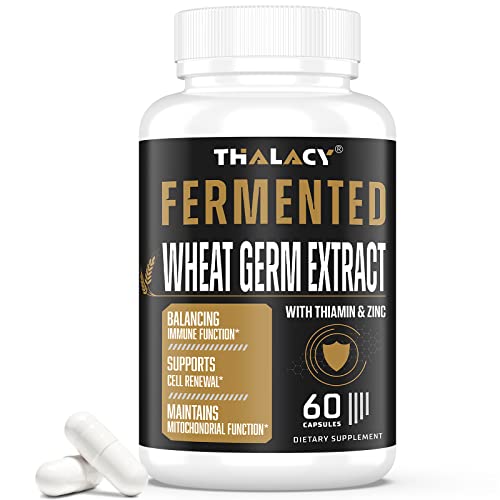
As an Amazon Associate we earn from qualifying purchases. Spermidine labels are easy to misread: the headline number is usually wheat germ extract weight, which can be several hundred times the spermidine inside it. Choose a product that states the milligrams of actual spermidine per serving along with the standardization percentage behind that figure, check the allergen disclosure if you avoid wheat, and with synthetic spermidine trihydrochloride confirm whether the stated milligrams refer to the salt or to the free base.
A Note on the Evidence
Most mechanistic and longevity data for both spermidine and resveratrol come from animal models and small or short-duration human trials; long-term safety data in humans are limited for both compounds, and neither has been evaluated by the FDA to diagnose, treat, cure, or prevent any disease. Individuals with wheat allergies should verify the source of any spermidine supplement, and anyone managing a chronic health condition or taking prescription medications should consult a qualified healthcare provider before use.
Frequently Asked Questions
What is the core mechanistic difference between spermidine and resveratrol?
Spermidine induces autophagy primarily by inhibiting acetyltransferase enzymes, which reduces protein acetylation. Resveratrol activates sirtuin deacetylases, particularly SIRT1, which removes acetyl groups via a different route. Despite these distinct upstream mechanisms, both ultimately shift the acetylproteome in a similar direction and both promote autophagy [3].

Can spermidine and resveratrol be taken together?
In cell experiments, resveratrol and spermidine together triggered autophagy at doses where neither did alone [3]. Whether combining them enhances outcomes in humans has not been established in clinical trials, and safety of the combination has not been tested in people. Resveratrol inhibits CYP enzymes and has raised blood levels of some drugs, so consult a healthcare provider if you take medication or have an underlying condition [3][6].
Is there human evidence that either compound extends lifespan?
No controlled human trial has demonstrated lifespan extension for either compound. Lifespan extension data comes from yeast, worm, fly, and mouse models [3][5]. Human research to date has focused on intermediate biomarkers (such as cardiovascular markers, inflammatory signals, and cognitive measures) rather than longevity itself.
What other health areas has resveratrol been studied in?
Resveratrol has been investigated across cardiovascular, metabolic, anti-inflammatory, neuroprotective, and dermatological contexts [5][10]. Research has also examined its potential role in osteoarthritis through SIRT1-mediated effects on joint inflammation and cartilage protection [11]. A 2025 review noted that while results are often encouraging, modest effect sizes and bioavailability limitations are consistent findings in human studies [6].
Why is autophagy so central to longevity research?
Autophagy is the cell’s primary mechanism for clearing damaged proteins and organelles before they accumulate and impair function. Research has shown that autophagy is required for the lifespan-extending effects of caloric restriction in several model organisms, and that its natural decline with age is proposed to contribute to the cellular deterioration characteristic of aging [7]. Compounds that restore or enhance autophagy are therefore of significant interest in aging biology.
What does 'caloric restriction mimetic' mean, and why does it matter?
A caloric restriction mimetic is a compound proposed to reproduce some of the cellular and metabolic effects of eating less, particularly autophagy induction, without requiring actual dietary restriction. Both spermidine and resveratrol are classified in this category alongside rapamycin and metformin [1]. The classification matters because it situates both compounds within a well-studied biological framework, even though direct evidence of their efficacy in humans remains more limited than the animal data.
References
- Madeo F et al. Caloric Restriction Mimetics against Age-Associated Disease: Targets, Mechanisms, and Therapeutic Potential. Cell metabolism (2019). PMID 30840912
- Alcaín FJ et al. Sirtuin activators. Expert opinion on therapeutic patents (2009). PMID 19441923
- Morselli E et al. Spermidine and resveratrol induce autophagy by distinct pathways converging on the acetylproteome. The Journal of cell biology (2011). PMID 21339330
- Villalba JM et al. Sirtuin activators and inhibitors. BioFactors (Oxford, England) (2012). PMID 22730114
- Baur JA et al. Therapeutic potential of resveratrol: the in vivo evidence. Nature reviews. Drug discovery (2006). PMID 16732220
- Ren ZQ et al. Resveratrol: Molecular Mechanisms, Health Benefits, and Potential Adverse Effects. MedComm (2025). PMID 40502812
- Madeo F et al. Can autophagy promote longevity?. Nature cell biology (2010). PMID 20811357
- Chen T et al. Rapamycin and other longevity-promoting compounds enhance the generation of mouse induced pluripotent stem cells. Aging cell (2011). PMID 21615676
- Murillo-Cancho AF et al. Dietary and Pharmacological Modulation of Aging-Related Metabolic Pathways: Molecular Insights, Clinical Evidence, and a Translational Model. International journal of molecular sciences (2025). PMID 41096907
- Ratz-Łyko A et al. Resveratrol as an active ingredient for cosmetic and dermatological applications: a review. Journal of cosmetic and laser therapy : official publication of the European Society for Laser Dermatology (2019). PMID 29737899
- Deng Z et al. The role of sirtuin 1 and its activator, resveratrol in osteoarthritis. Bioscience reports (2019). PMID 30996115
- Ghada Alsaleh et al. Autophagy in T cells from aged donors is maintained by spermidine and correlates with function and vaccine responses. eLife (2020). PMID 33317695
- Uchitomi R et al. Metabolomic Analysis of Skeletal Muscle in Aged Mice. Scientific reports (2019). PMID 31320689
- Stefania Pucciarelli et al. Spermidine and Spermine Are Enriched in Whole Blood of Nona/Centenarians. Rejuvenation Research (2012). PMID 22950434
- Claudia Schwarz et al. Effects of Spermidine Supplementation on Cognition and Biomarkers in Older Adults With Subjective Cognitive Decline. JAMA Network Open (2022). PMID 35616942
- Kiechl S et al. Higher spermidine intake is linked to lower mortality: a prospective population-based study. The American journal of clinical nutrition (2018). PMID 29955838
- Oh CM et al. Mitochondrial Quality Control in the Heart: New Drug Targets for Cardiovascular Disease. Korean circulation journal (2020). PMID 32216174
- Sahebkar A et al. Lack of efficacy of resveratrol on C-reactive protein and selected cardiovascular risk factors–Results from a systematic review and meta-analysis of randomized controlled trials. International journal of cardiology (2015). PMID 25885871
- Lasse Gliemann et al. Resveratrol blunts the positive effects of exercise training on cardiovascular health in aged men. The Journal of Physiology (2013). PMID 23878368
These statements have not been evaluated by the Food and Drug Administration. This information is not intended to diagnose, treat, cure, or prevent any disease. Content is for informational purposes only and is not medical advice; consult a qualified healthcare provider before starting any supplement. As an Amazon Associate we earn from qualifying purchases.