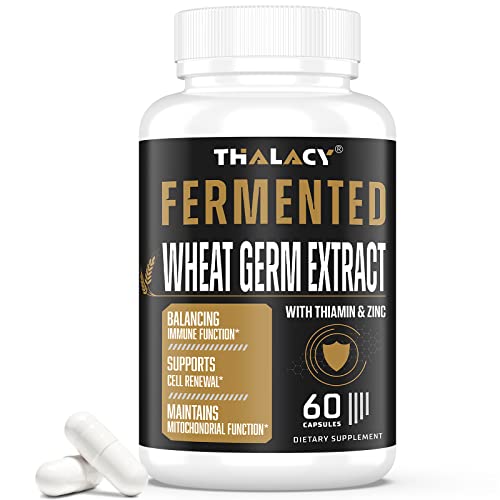
Spermidine has quietly built a following among longevity researchers over the past decade. Found naturally in wheat germ, aged cheese, mushrooms, and soybeans, this polyamine falls with age in some mouse tissues (whole-blood data in 78 people show no steady decline) and has been linked in cell and animal studies to autophagy [4][5]the cellular recycling process that clears damaged proteins and organelles. Primeadine, made by Oxford Healthspan, is one of the more visible spermidine supplements on the market, positioning itself around that science.
This review looks at Primeadine on its own terms: what is in it, what the underlying spermidine research actually shows (and does not show), how it compares to simply eating wheat germ, and what honest caveats apply before spending money on a premium supplement. Every trial named below is cited to its PubMed record in the References section. These statements have not been evaluated by the FDA. This is not medical advice.
Key Takeaways
- Spermidine is a naturally occurring polyamine proposed to extend healthspan by inducing autophagy; human evidence is early and mixed: the largest trial, SmartAge, did not meet its primary memory endpoint [3].
- Primeadine’s label states approximately 1 mg of spermidine from wheat germ extract (no independent assay is cited here), which is close to the 0.9 mg per day used in the SmartAge trial; that trial did not meet its primary memory endpoint [3].
- Wheat germ is among the richest food sources of spermidine; Primeadine’s case rests on convenience and consistent standardization, which this review has not independently tested [6][7].
- Individuals with wheat allergies or celiac disease should use the gluten-free version or avoid wheat-derived spermidine entirely.
- No published human trial has run longer than twelve months, so safety over the multi-year horizon people actually take this for is untested; that is an important caveat for any supplement taken indefinitely for preventive purposes.
What Is Primeadine and Who Makes It
Primeadine is a spermidine supplement produced by Oxford Healthspan, a UK-based longevity company co-founded by Leslie Kenny, who became interested in spermidine research after a personal health journey. The company positions itself as science-focused, citing academic collaborators and longevity researchers in its marketing materials.
The flagship product, Primeadine Original, is a wheat germ extract standardized to deliver approximately 1 mg of spermidine per daily serving, along with spermine, putrescine, and other naturally co-occurring polyamines. Oxford Healthspan also offers a plant-based version (Primeadine GF, sourced from non-wheat fermented food extracts) for those avoiding gluten or wheat. Both are sold as capsules and marketed primarily to adults interested in healthy aging.
The price point is notably higher than generic spermidine powders or wheat germ itself, which the company justifies through standardization testing, third-party quality assurance, and a more complete natural polyamine profile. Whether that premium is warranted is a fair question and one this review returns to.
The Science Behind Spermidine: Autophagy and Aging
Spermidine’s proposed mechanism centers on autophagy: a Greek-derived word meaning ‘self-eating.’ Autophagy is the process by which cells break down and recycle damaged or excess components: misfolded proteins, dysfunctional mitochondria, and cellular debris that accumulates with age. Declining autophagy is considered a hallmark of aging, and boosting it is one of the more active research areas in longevity science.
Research note: In stroke patients, higher plasma spermidine measured at admission was associated with more deaths (HR 1.86, 95% CI 1.10 to 3.14); this is a blood-level association in sick patients, not an effect of supplementation [13].
In preclinical models (yeast, worms, flies, and mice) spermidine supplementation has been associated with extended lifespan and markers of improved cellular health, with autophagy induction as the proposed driver. These animal findings generated substantial scientific interest and prompted the small human trials that now exist. However, animal lifespan results do not translate automatically to humans, and the mechanistic story in people is less established.
Spermidine is thought to act partly by inhibiting acetyltransferases, which leads to histone hypoacetylation and subsequent upregulation of autophagy genes. It may also support mitochondrial function and modulate inflammation. These pathways are plausible, but translating pathway biology into clinical outcomes in humans requires evidence that current trials have only begun to provide.

What the Human Research Shows (and Its Limits)
Human trials on spermidine supplementation are small, short, and preliminary, and the two kinds of evidence behind them are worth keeping apart. The observational work is a prospective population cohort: higher dietary spermidine intake tracked with lower all-cause mortality.[1] That is a correlation in people who ate more spermidine-rich food, not a test of a capsule. The interventional work is where a supplement is actually tested, and it is thinner than the marketing around it suggests. A three-month pilot in 30 older adults at risk for dementia found memory moderately improved versus placebo, with a between-group confidence interval that crossed zero.[2] The largest and longest trial (SmartAge, 12 months, 100 participants with subjective cognitive decline, 0.9 mg/day of a wheat-germ-derived extract) found no effect on its primary memory outcome (between-group difference, −0.03; 95% CI, −0.11 to 0.05; P = .47) and concluded that supplementation “did not modify memory and biomarkers compared with placebo.”[3]
What the published literature generally supports is this: in the wheat germ extract trials, adverse events were balanced between extract and placebo, blood polyamines were unchanged in SmartAge, and the exploratory signals on inflammation and verbal memory in SmartAge are hypotheses only [3]. What it does not yet support is a definitive claim that supplemental spermidine extends human healthspan, prevents cognitive decline, or reduces cardiovascular risk at a population level.
No published human trial has run beyond twelve months. This is an important gap, particularly for a supplement being taken by healthy adults for preventive purposes over decades.
Industry ties apply to the human trials cited here: a lead author of SmartAge was chief executive of the extract maker The Longevity Labs while the trial ran, and the company funded development of the extract; four authors of the phase II safety trial also declare a financial interest in the company [3][8].
Primeadine's Formula: Wheat Germ Extract vs. Isolated Spermidine
Most spermidine supplements on the market use wheat germ extract rather than isolated spermidine, and Primeadine follows this approach. Wheat germ is among the richest dietary sources of spermidine; one review lists about 2,437 nmol per gram, without stating the weight basis [7]. A standardized extract allows consistent dosing in a capsule format without requiring large amounts of raw wheat germ daily.
Oxford Healthspan argues that the full polyamine profile in wheat germ (spermidine alongside spermine, putrescine, and other co-occurring compounds) may be more beneficial than isolated spermidine alone, reflecting how these molecules appear in food. This is a reasonable hypothesis and consistent with a food-first philosophy, though direct comparative evidence between whole-extract and isolated spermidine in humans is sparse.
Individuals with wheat allergies should verify the source carefully. Primeadine Original is wheat-derived and, while it is processed to minimize allergenic proteins, it may not be appropriate for those with celiac disease or significant wheat sensitivity. The GF version addresses this by using fermented food sources instead, though the polyamine profile and standardization differ.
Dosing, Timing, and Practical Considerations
Primeadine Original provides approximately 1 mg of spermidine per two-capsule daily serving. Published human trials of wheat germ extract used about 1 mg of spermidine per day (0.9 mg in SmartAge, 1.2 mg in the earlier pilot), and purified spermidine has been given at 15 to 40 mg per day, so a roughly 1 mg product is close to the extract trial doses [3][8][9]. Some researchers have speculated that higher doses might produce stronger autophagy induction, but this has not been established in controlled human studies and more is not necessarily better with compounds that act on fundamental cellular pathways.
Oxford Healthspan recommends taking Primeadine with food. Spermidine is water-soluble, and there is no established fasting requirement for absorption; some users report taking it in the morning with breakfast. There is no strong evidence favoring a particular time of day based on published research.
In the wheat germ extract trials, adverse events were balanced between extract and placebo, with more musculoskeletal events on the extract in SmartAge, which was not designed to prove a link; no trial cited here tested Primeadine itself. Spermidine is also a dietary compound, but long-term supplement data remain a genuine gap [3].
Is Primeadine Worth the Cost? An Honest Assessment
Primeadine is priced at the premium end of the supplement market, at a monthly cost that varies by retailer and purchase tier (see Amazon for current pricing). For context, 30 g of wheat germ per day, a generous spoonful mixed into yogurt or oatmeal, provides spermidine too, but the amount varies by product and the published food figures do not state a weight basis, so this page does not give a per-spoonful figure [7][10]. If cost is a primary concern, dietary wheat germ is a legitimate first step.
Where Primeadine may offer value over raw wheat germ is in standardization and convenience. Wheat germ spoils quickly after opening and requires refrigeration; the spermidine content of non-standardized products can vary. For someone who wants consistent, measured dosing without dietary modification, a tested supplement has a practical argument. Whether the Oxford Healthspan premium over generic wheat germ extracts is justified depends on how much weight a buyer places on the brand’s quality testing and the full polyamine matrix framing.
The honest bottom line: Primeadine is a well-formulated, thoughtfully positioned product in an early-stage supplement category. The underlying science is genuinely interesting and the safety profile is reasonable. But the human evidence for transformative anti-aging effects remains preliminary, and no supplement in this category should be purchased with expectations of dramatic, proven outcomes.
🛒 Where to Buy Spermidine
- Oxford Healthspan Primeadine Original
capsules, 1 mg spermidine per capsule, 3 capsules/day recommended: Whole-food wheat germ concentrate; includes other natural polyamines; most-cited premium brand in longevity community; batches independently tested by third-party labs per the brand. - Double Wood Supplements Spermidine
capsules, 10 mg wheat germ extract (standardized to provide spermidine) per capsule: Budget-accessible entry point; clearly labeled wheat germ extract source; Double Wood is a reputable US brand with good COA transparency. - Renue By Science Spermidine
capsules, 10 mg wheat germ extract per capsule, 1-2 capsules/day: Longevity-focused brand known for NMN and NAD precursors; offers spermidine as part of a stack ecosystem; good option for existing Renue customers
As an Amazon Associate we earn from qualifying purchases. Spermidine labels are easy to misread: the headline number is usually wheat germ extract weight, which can be several hundred times the spermidine inside it. Choose a product that states the milligrams of actual spermidine per serving along with the standardization percentage behind that figure, check the allergen disclosure if you avoid wheat, and with synthetic spermidine trihydrochloride confirm whether the stated milligrams refer to the salt or to the free base.

A Note on the Evidence
The human research on spermidine supplementation remains early-stage, with most trials involving small samples and durations under one year; no published human trial has run beyond twelve months. Individuals with wheat allergies, celiac disease, or any chronic health condition should consult a qualified healthcare provider before starting Primeadine or any spermidine supplement. These statements have not been evaluated by the FDA; this product is not intended to diagnose, treat, cure, or prevent any disease.
Frequently Asked Questions
What is spermidine and why does it matter for aging?
Spermidine is a polyamine found in many foods that plays a role in cell growth, DNA stability, and autophagy, the cellular recycling process. Animal studies have often shown lifespan and healthspan benefits, although some mouse results conflict, and the human trials of wheat germ extract have looked at memory, with the largest (SmartAge) not meeting its primary endpoint; results are preliminary and more research is needed [12][3].
Is Primeadine backed by clinical research?
Primeadine references the broader spermidine research literature, which includes small human randomized controlled trials examining memory and aging outcomes. The product itself has not been the subject of independent published clinical trials. The science is early and mixed: the largest supplementation trial to date (PMID 35616942) did not meet its primary memory endpoint, and the memory signal comes from a 30-participant pilot (PMID 30388439) whose confidence interval crossed zero [3][2].
Can I get enough spermidine from food instead of supplements?
Food is a source of spermidine, but trials of wheat germ extract, of 15 mg/day spermidine and of natto did not raise blood spermidine, so it is not established that food or capsules change blood levels. Wheat germ, soybeans, mushrooms and aged cheese are named as sources; in natto trials, natto raised blood spermine, not spermidine. The amount in a tablespoon of wheat germ is not established by the figures cited here [6][11]. Supplements like Primeadine offer standardized dosing and convenience but are not the only or necessarily the most cost-effective route to increasing dietary spermidine intake.
Who should avoid Primeadine Original?
Anyone with a wheat allergy, gluten sensitivity, or celiac disease should avoid the wheat-derived Original formula. Oxford Healthspan offers a gluten-free version (Primeadine GF) derived from fermented plant sources for these individuals. As with any supplement, people who are pregnant, breastfeeding, or taking medications should consult a healthcare provider before use.
How long does it take to notice effects from spermidine?
Published trials of wheat germ extract ran for three to twelve months; in the 12-month SmartAge trial the primary memory outcome and blood polyamines did not change, so no timeline for benefit in people has been established [3]. Autophagy induction is a cellular-level process; subjective experiences vary widely and are not a reliable measure of whether the supplement is working at a biological level.
Is Primeadine safe for long-term use?
In trials of up to 12 months, adverse events with wheat germ extract were balanced between extract and placebo, though musculoskeletal events were more common on the extract in SmartAge; spermidine is also a naturally occurring dietary compound [3]. However, no controlled human trial has run beyond twelve months, which is a genuine gap for anyone considering indefinite use. Consult a physician if you have underlying health conditions or are taking medications.
References
- Kiechl S et al. Higher spermidine intake is linked to lower mortality: a prospective population-based study. The American Journal of Clinical Nutrition (2018). PMID 29955838
- Wirth M et al. The effect of spermidine on memory performance in older adults at risk for dementia: A randomized controlled trial. Cortex (2018). PMID 30388439
- Schwarz C et al. Effects of Spermidine Supplementation on Cognition and Biomarkers in Older Adults With Subjective Cognitive Decline: A Randomized Clinical Trial. JAMA Network Open (2022). PMID 35616942
- Kazuhiro Nishimura et al. Decrease in Polyamines with Aging and Their Ingestion from Food and Drink. The Journal of Biochemistry (2006). PMID 16428322
- Stefania Pucciarelli et al. Spermidine and Spermine Are Enriched in Whole Blood of Nona/Centenarians. Rejuvenation Research (2012). PMID 22950434
- Thorup CV et al. POLYamine treatment in elderly patients with Coronary Artery Disease (POLYCAD): study protocol for a Danish randomised, double-blind, placebo-controlled trial of spermidine treatment versus placebo. Trials (2025). PMID 41168834
- Nelly Muñoz‐Esparza et al. Polyamines in Food. Frontiers in Nutrition (2019). PMID 31355206
- Claudia Schwarz et al. Safety and tolerability of spermidine supplementation in mice and older adults with subjective cognitive decline. Aging (2018). PMID 29315079
- Alsaleh G et al. Spermidine Mitigates Immune Cell Senescence and Boosts Vaccine Responses in Healthy Older Adults-A Pilot Study. Aging cell (2026). PMID 42169618
- Kalač P Health effects and occurrence of dietary polyamines: a review for the period 2005-mid 2013. Food chemistry (2014). PMID 24837918
- Soda K et al. Long-term oral polyamine intake increases blood polyamine concentrations. Journal of nutritional science and vitaminology (2009). PMID 19763038
- Szydlowska M et al. Restoring polyamine levels by supplementation of spermidine modulates hepatic immune landscape in murine model of NASH. Biochimica et biophysica acta. Molecular basis of disease (2023). PMID 37054999
- Yang P et al. Plasma Polyamines and Short-Term Adverse Outcomes Among Patients With Ischemic Stroke: A Prospective Cohort Study. Journal of the American Heart Association (2024). PMID 39082415
These statements have not been evaluated by the Food and Drug Administration. This information is not intended to diagnose, treat, cure, or prevent any disease. Content is for informational purposes only and is not medical advice; consult a qualified healthcare provider before starting any supplement. As an Amazon Associate we earn from qualifying purchases.