Insulin resistance, the reduced ability of cells to respond to insulin and clear glucose from the blood, sits at the center of metabolic syndrome and type 2 diabetes risk, and it is one of the specific outcomes researchers have measured in spermidine animal studies.
This article is informational only and is not medical advice. These statements have not been evaluated by the FDA; this product is not intended to diagnose, treat, cure, or prevent any disease.
Findings in Obese Mouse Models
In high-fat diet-fed mice, oral spermidine supplementation attenuated the development of insulin resistance alongside weight gain and fatty liver [1]. A separate study in diet-induced obese mice reported that spermidine supplementation improved insulin resistance [2], and the same research reported that in humans, higher spermidine intake was linked to lower fasting glucose, fasting insulin and HbA1c. Human intake figures like these are estimates from food questionnaires and show an association only, not that supplements lower blood sugar [3][4].
An Important Wrinkle: Mouse Results Depend on Diet [5]
Not every finding points in the same direction. Mouse results are not uniform either. In one study, mice on a high-fat diet given spermidine in drinking water showed no change in weight, fat, prediabetes, cholesterol or fatty liver, so the effect depended on diet and was absent under a high-fat diet. Extrapolating mouse findings, or human food-questionnaire associations, to people with existing blood sugar problems is not straightforward [5].
Research note: Vascular tissue from patients with diabetes showed lower spermidine and activated RIPK1; this is a tissue association, not a trial of supplementation [7].

What Human Trial Evidence Is Missing
As with the broader metabolic research, a dedicated randomized controlled trial measuring blood glucose, HbA1c, or insulin sensitivity as the primary outcome of spermidine supplementation in humans has not been published. The current human evidence is observational, meaning it can show association but cannot establish that spermidine supplementation causes improved blood sugar control.
One small trial did measure plasma glucose, though not as its goal: in 12 healthy adults given 15 mg of spermidine per day for 5 days, no significant differences in blood plasma metabolites, including glucose, were seen between spermidine and placebo. It was short, exploratory and not designed to test blood sugar control [6].
Frequently Asked Questions
Can spermidine supplements lower blood sugar?
No published human clinical trial has tested spermidine supplementation as a blood-sugar-lowering intervention. The supporting evidence is from obese mouse models and human observational (correlational) data, not a controlled human trial with glucose or HbA1c as the outcome.
Do mouse studies agree that spermidine improves insulin sensitivity?
[5]Not consistently. In one mouse study, spermidine did not change prediabetes, weight or fatty liver in mice on a high-fat diet, while another reported that oral spermidine reduced insulin resistance in high-fat-diet mice. Findings from mice should not be assumed to apply to people [5][1].
Should someone with diabetes take spermidine instead of prescribed medication?
No. Spermidine has not been tested as, or compared against, a diabetes medication in a controlled human trial. Anyone with diabetes or prediabetes should continue prescribed treatment and consult their healthcare provider before adding any supplement.

Recommended Spermidine Supplements
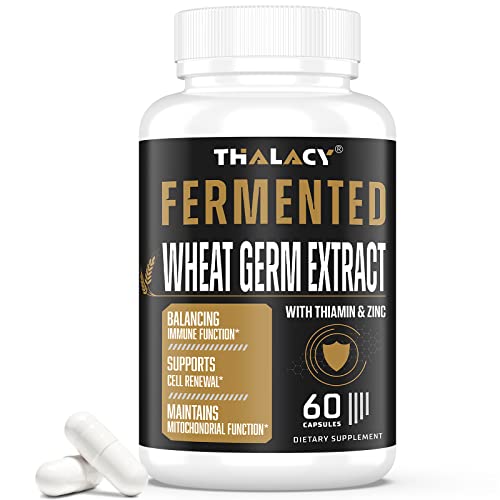
For readers deciding between specific products, two commonly available options are ProHealth Pure Spermidine 1 mg | 180 Capsules and Thalacy Spermidine Supplements 13mg – 1300mg Wheat Germ Extract Capsules Potent Formula. As with any supplement, look for third-party testing and a clearly labeled spermidine or wheat germ extract content per serving before purchasing.


References
- Wang D et al. Oral Spermidine Targets Brown Fat and Skeletal Muscle to Mitigate Diet-Induced Obesity and Metabolic Disorders. Molecular Nutrition and Food Research (2021). PMID 34363644
- Ma L et al. Spermidine improves gut barrier integrity and gut microbiota function in diet-induced obese mice. Gut Microbes (2020). PMID 33151120
- Schwarz C et al. Spermidine intake is associated with cortical thickness and hippocampal volume in older adults. NeuroImage (2020). PMID 32629145
- Angelucci F et al. Spermidine in Alzheimer's Disease: Evidence from Animal Models and Human Studies. Degenerative neurological and neuromuscular disease (2026). PMID 42358231
- Sophia Pankoke et al. Oral Supplementation with the Polyamine Spermidine Affects Hepatic but Not Pulmonary Lipid Metabolism in Lean but Not Obese Mice. Nutrients (2022). PMID 36297003
- Stefan Senekowitsch et al. High-Dose Spermidine Supplementation Does Not Increase Spermidine Levels in Blood Plasma and Saliva of Healthy Adults: A Randomized Placebo-Controlled Pharmacokinetic and Metabolomic Study. Nutrients (2023). PMID 37111071
- Zhang T et al. Spermidine mediates acetylhypusination of RIPK1 to suppress diabetes onset and progression. Nature cell biology (2024). PMID 39511379
These statements have not been evaluated by the Food and Drug Administration. This information is not intended to diagnose, treat, cure, or prevent any disease. Content is for informational purposes only and is not medical advice; consult a qualified healthcare provider before starting any supplement. As an Amazon Associate we earn from qualifying purchases.