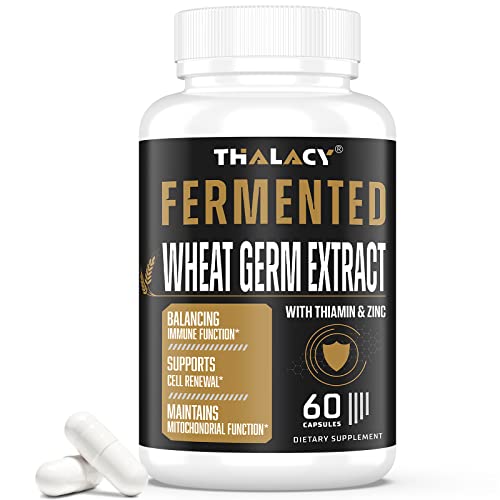
Spermidine is a naturally occurring polyamine found in wheat germ, soybeans, aged cheese, and many other foods. Spermidine fell with age in human T cells studied in culture and in several mouse tissues [12][13][14], and researchers have proposed that this decline may reduce the cell’s capacity for quality-control processes. Unlike many longevity-adjacent compounds whose mechanisms are poorly understood, spermidine has a relatively well-characterized molecular story: one that reaches directly into the nucleus and influences how genes are packaged and expressed.
This article examines two distinct but interrelated mechanisms: the inhibition of histone acetyltransferases (HATs), which links spermidine to epigenetic regulation and autophagy induction, and the hypusination of the translation factor eIF5A, a post-translational modification for which spermidine is the obligate biochemical substrate. Understanding these pathways in molecular detail helps clarify both the genuine scientific interest in this compound and the honest limits of what current evidence can claim.
Key Takeaways
- Spermidine inhibits histone acetyltransferases (HATs), reducing acetylation at autophagy gene loci and triggering the autophagy program: an epigenetic mechanism reported in ageing yeast and supported by cell and animal findings, though a review notes the dominant mechanism in the body remains unclear [1][11].
- As the obligate substrate for eIF5A hypusination, spermidine enables a unique post-translational modification that supports the efficient translation of structurally difficult mRNAs, including those encoding mitochondrial proteins and autophagy regulators [2], [3].
- These two axes, HAT inhibition and eIF5A hypusination, converge on overlapping outcomes including mitochondrial function, autophagy, and senescence surveillance, suggesting a coordinated role in cellular maintenance [4], [5].
- Most mechanistic evidence derives from model organisms; human clinical data remain limited in both scale and duration, and long-term safety beyond two years has not been established in humans.
- Polyamine biology is context-dependent; while dietary spermidine appears safe at typical doses, individuals with active disease or specific health conditions should consult a healthcare provider before supplementing.
Histones, Acetylation, and the Epigenetic Landscape
DNA inside the cell nucleus is wrapped around protein spools called histones. The chemical state of these histones, whether specific lysine residues carry acetyl groups or not, determines how tightly or loosely DNA is packaged, which in turn influences which genes are accessible for transcription. Histone acetyltransferases (HATs) add acetyl groups to histones, generally opening chromatin and increasing gene expression. Histone deacetylases (HDACs) remove those groups, tightening chromatin and quieting gene activity.
Epigenetic regulation through histone acetylation orchestrates broad cellular programs including inflammatory responses, metabolic adaptation, and stress responses. Acetylation patterns shift with aging, and this epigenetic drift is considered one mechanism through which older cells lose the gene-expression flexibility of younger ones. Interventions that modulate HAT or HDAC activity are therefore of significant interest in cellular aging research, and spermidine has emerged as a natural compound with measurable effects on this system.
How Spermidine Inhibits Histone Acetyltransferases
A 2009 study reported that spermidine extended lifespan in yeast, worms, flies, and human immune cells in culture, and in ageing yeast spermidine triggered deacetylation of histone H3 by inhibiting histone acetyltransferases, which suppressed oxidative stress and necrosis [1]. EP300 inhibition by spermidine was reported separately in a kidney podocyte model. These are model-organism and cell results, not human data [1][15].
Research note: Spermidine is needed to hypusinate eIF5A, and hypusinated eIF5A promoted expression of mitochondrial TCA-cycle and oxidative-phosphorylation proteins. The study blocked the pathway; it did not give spermidine as a supplement [2].
The consequence of this altered chromatin state is increased transcription of autophagy-related genes, as well as deacetylation of autophagy proteins themselves at the post-translational level. Critically, when autophagy was genetically or pharmacologically blocked in this study, the lifespan extension was abolished: confirming that the epigenetic and autophagic effects are mechanistically linked rather than coincidental [1]. This established a traceable chain: spermidine to HAT inhibition to chromatin remodeling to autophagy gene activation to cellular maintenance.
Autophagy: The Cellular Housekeeping Program Downstream of Epigenetic Change
Autophagy is the process by which cells degrade and recycle damaged organelles, misfolded proteins, and other intracellular debris. It is often called cellular ‘self-eating,’ but more accurately it is a quality-control program that prevents the accumulation of dysfunctional components that would otherwise drive inflammation or trigger cell death. Autophagy declines measurably with age across most organisms studied, and this decline is thought to contribute to the buildup of cellular damage associated with aging and age-related conditions.

The connection between HAT inhibition and autophagy induction means spermidine’s epigenetic action has a concrete functional output. A 2024 study in honey bees reported that spermidine changed histone H3 acetylation in a site-specific way, with lower acetylation at some sites and higher at one, and upregulated autophagy-related genes in the abdomen; the authors call for further work on the mechanism, and this is an insect result [6]. A 2026 review of polyamine metabolism further situates autophagy induction as one of the central mechanisms by which polyamines regulate organismal aging at the cellular level [7].
It is important to note that autophagy is a context-sensitive process: it can be cytoprotective at moderate levels but harmful when dysregulated. The evidence from spermidine research generally points toward restoration of autophagy toward more youthful baseline levels rather than pathological hyperactivation, but this nuance matters for accurate scientific communication.
eIF5A Hypusination: Spermidine as a Biochemical Substrate
Beyond histone acetylation, spermidine participates in a chemically unique post-translational modification called hypusination. The translation factor eIF5A (eukaryotic initiation factor 5A) requires hypusination at lysine-50 to become fully functional. In this reaction, an aminobutyl group derived from spermidine is transferred to that lysine residue by the enzyme deoxyhypusine synthase (DHPS), followed by hydroxylation by DOHH. The resulting hypusine residue is found only in eIF5A across all eukaryotes and archaea studied: making this one of the most conserved post-translational modifications known, and one that cannot occur without spermidine as substrate.
Hypusinated eIF5A facilitates the translation of mRNAs whose secondary structures or polyproline-encoding sequences cause ribosomes to stall. Because many mitochondrial proteins, transcription factors, and signaling components are encoded by such mRNAs, eIF5A hypusination has broad downstream effects on the cellular proteome. A 2019 study found that polyamines and eIF5A hypusination modulate mitochondrial respiration and macrophage inflammatory activation, identifying a direct pathway from polyamine availability to immune cell metabolism and bioenergetics [2].
A separate 2019 study in B cells showed that hypusination of eIF5A controls the translation of TFEB, a master transcription factor for lysosomal biogenesis and autophagy gene expression, connecting this modification back to the autophagic program through an entirely different route than HAT inhibition [3]. This reveals a second, translation-level mechanism by which spermidine availability promotes autophagy, operating in parallel with its direct epigenetic effects on chromatin.
Mitochondrial Function, Fatty Acid Oxidation, and Cellular Senescence
The mitochondrial connections of eIF5A hypusination have become increasingly well-characterized in recent years. A 2022 study in Nature Communications reported that in mice and cultured liver cells spermidine restored eIF5A hypusination, partly restored mitochondrial protein synthesis and prevented progression of fatty liver disease (NASH) [4]. This is a mouse and cell result only [4]. The proposed mechanism involves eIF5A’s role in efficiently translating key mitochondrial proteins encoded by hypusination-sensitive mRNAs, suggesting that spermidine availability has a direct bearing on metabolic flexibility at the organelle level.
Not every mouse result agrees. In mice with advanced NASH, spermidine in drinking water did not improve the disease and macroscopic liver lesions were more common in the spermidine group [21].
A 2024 study in Nature Communications added a p53-dependent dimension, showing that hypusination of eIF5A affects mitochondrial translation and the immune surveillance of senescent cells in a p53-dependent manner [5]. Cellular senescence, the state in which cells cease dividing but remain metabolically active and secrete pro-inflammatory signals, is a significant driver of aging tissue dysfunction. This work concerns eIF5A hypusination, which needs spermidine as a substrate, rather than spermidine supplementation, and it does not show a benefit in people [16].
A 2026 study in Nature Neuroscience further demonstrated that axonal eIF5A hypusination controls local mRNA translation in neurons and mitigates defects in a model of FUS-linked ALS [8]. While this is early and disease-specific research, it illustrates how broadly the hypusination axis affects cell biology in contexts where local, spatially regulated protein synthesis is critical.
Honest Assessment: What the Evidence Does and Does Not Establish
The mechanistic science underlying spermidine’s epigenetic and translational effects is grounded in solid molecular biology and spans multiple independent research groups and model systems. However, several caveats are essential. Much of the work on HAT inhibition, autophagy induction, and lifespan extension has been conducted in yeast, nematodes, fruit flies, and rodents [1], [7]. These findings provide well-supported mechanistic hypotheses but cannot be directly extrapolated to human longevity outcomes without appropriately powered clinical trials.
Human studies of spermidine supplementation remain small in scale; the largest, SmartAge, ran for 12 months in 100 older adults and did not meet its primary memory endpoint [17]. Long-term human safety data beyond two years is not yet available. The wheat germ extract trials delivered about 0.9 to 1.2 mg of spermidine per day, and SmartAge raised daily spermidine intake by only about 10% of the average intake in developed countries, so trial doses are small next to estimated dietary intake [17][18]. Spermidine is also produced endogenously by the gut microbiome [9], meaning supplemental intake interacts with a dynamic internal production system that varies considerably between individuals based on microbiome composition and diet.
An additional consideration is that elevated polyamine metabolism has been observed in certain cancer biology contexts. One 2024 study noted that polyamine and eIF5A hypusination pathways downstream of c-Myc can contribute to targeted therapy resistance in BRAF-mutant melanoma [10]. Reviews note that restoring polyamines may benefit normal aging while excessive polyamine levels support cancer growth, and the cancer concern runs both ways. It is a hypothesis with no human supplement trial behind it, and SmartAge excluded people with prior cancer [7][19][20][17].
🛒 Where to Buy Spermidine
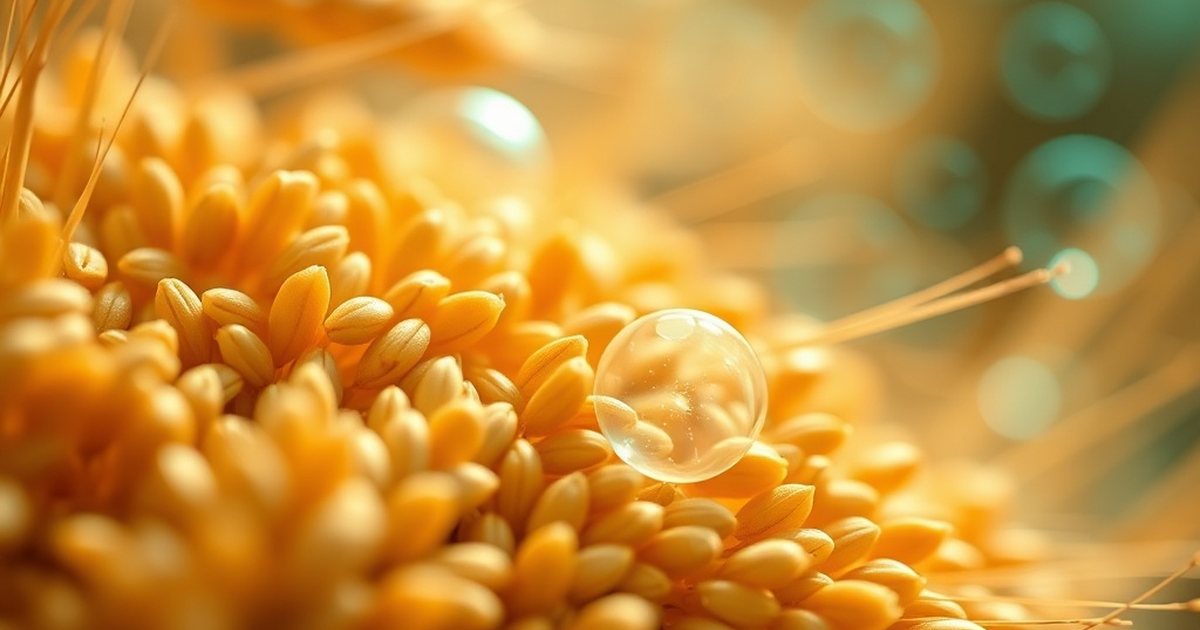
- Oxford Healthspan Primeadine Original
capsules, 1 mg spermidine per capsule, 3 capsules/day recommended: Whole-food wheat germ concentrate; includes other natural polyamines; most-cited premium brand in longevity community; batches independently tested by third-party labs per the brand. - Double Wood Supplements Spermidine
capsules, 10 mg wheat germ extract (standardized to provide spermidine) per capsule: Budget-accessible entry point; clearly labeled wheat germ extract source; Double Wood is a reputable US brand with good COA transparency. - Renue By Science Spermidine
capsules, 10 mg wheat germ extract per capsule, 1-2 capsules/day: Longevity-focused brand known for NMN and NAD precursors; offers spermidine as part of a stack ecosystem; good option for existing Renue customers
As an Amazon Associate we earn from qualifying purchases. Spermidine labels are easy to misread: the headline number is usually wheat germ extract weight, which can be several hundred times the spermidine inside it. Choose a product that states the milligrams of actual spermidine per serving along with the standardization percentage behind that figure, check the allergen disclosure if you avoid wheat, and with synthetic spermidine trihydrochloride confirm whether the stated milligrams refer to the salt or to the free base.
A Note on the Evidence
The evidence supporting spermidine’s epigenetic effects is largely derived from model organisms and small, short-term human studies; long-term human safety data beyond two years has not been established, and individuals who are pregnant, immunocompromised, or managing active disease should consult a qualified healthcare provider before using spermidine supplements. These statements have not been evaluated by the FDA; this product is not intended to diagnose, treat, cure, or prevent any disease.

Frequently Asked Questions
What exactly does spermidine do to histones?
Spermidine inhibits histone acetyltransferases: the enzymes that add acetyl groups to histone proteins. Reduced acetyltransferase activity leads to a more deacetylated chromatin state at autophagy-related gene loci, increasing expression of those genes. The lifespan extension was reported in yeast, worms, flies, and human immune cells in culture, and the histone H3 deacetylation result was in ageing yeast [1].
Is histone acetylation the only epigenetic mechanism spermidine affects?
No. Spermidine also serves as the obligate biochemical substrate for eIF5A hypusination, a post-translational modification that influences which mRNAs are efficiently translated at the ribosome. This includes TFEB, a master transcription factor for lysosomal biogenesis and autophagy, connecting hypusination to the autophagic program through a translation-level route entirely distinct from direct histone modification [3].
Does spermidine extend lifespan in humans?
This has not been demonstrated in controlled human trials. Lifespan extension by spermidine has been shown in yeast, nematodes, fruit flies, and some rodent models [1], [7]. Human studies have examined surrogate endpoints in small cohorts over short durations, but direct evidence of human lifespan extension does not currently exist. These statements have not been evaluated by the FDA; this product is not intended to diagnose, treat, cure, or prevent any disease.
How does spermidine's effect on eIF5A connect to mitochondria?
Through hypusination, spermidine enables eIF5A to assist ribosomes in translating mRNAs that encode mitochondrial proteins. One study showed this pathway improves mitochondrial fatty acid oxidation in liver tissue [4], and another demonstrated that p53-dependent hypusination affects mitochondrial translation and the immune surveillance of senescent cells [5]. This positions spermidine availability as a potential modulator of metabolic fitness at the organelle level.
Are there safety concerns with spermidine supplementation?
In SmartAge and the phase II pilot, serious adverse events were balanced between wheat germ extract and placebo, but SmartAge excluded people with prior cancer [17][18]. Individuals with wheat allergies should verify the source, as the most common supplemental form is derived from wheat germ extract. Long-term human safety data beyond two years is not yet available, and anyone with active cancer, serious illness, or who is pregnant should consult a qualified healthcare provider before supplementing.
Does gut microbiome-produced spermidine contribute to epigenetic effects?
The intestinal microbiome is a meaningful endogenous source of polyamines including spermidine, and the gut epithelium is exposed to both dietary and microbially synthesized polyamines. Research confirms that protein-derived polyamines from the intestine can influence systemic polyamine availability [9]. Whether microbially versus dietarily sourced spermidine differentially influences epigenetic outcomes in distant tissues has not been fully characterized and remains an open research question.
References
- Eisenberg T et al. Induction of autophagy by spermidine promotes longevity. Nature cell biology (2009). PMID 19801973
- Puleston DJ et al. Polyamines and eIF5A Hypusination Modulate Mitochondrial Respiration and Macrophage Activation. Cell metabolism (2019). PMID 31130465
- Zhang H et al. Polyamines Control eIF5A Hypusination, TFEB Translation, and Autophagy to Reverse B Cell Senescence. Molecular cell (2019). PMID 31474573
- Zhou J et al. Spermidine-mediated hypusination of translation factor EIF5A improves mitochondrial fatty acid oxidation and prevents non-alcoholic steatohepatitis progression. Nature communications (2022). PMID 36057633
- Jiang X et al. P53-dependent hypusination of eIF5A affects mitochondrial translation and senescence immune surveillance. Nature communications (2024). PMID 39198484
- Kojić D et al. Spermidine supplementation in honey bees: Autophagy and epigenetic modifications. PloS one (2024). PMID 38950057
- Uemura T et al. Polyamine metabolism as a regulator of cellular and organismal aging. Amino acids (2026). PMID 41617890
- Piol D et al. Axonal Eif5a hypusination controls local translation and mitigates defects in FUS-ALS. Nature neuroscience (2026). PMID 41430470
- Bekebrede AF et al. The Molecular and Physiological Effects of Protein-Derived Polyamines in the Intestine. Nutrients (2020). PMID 31940783
- Park BS et al. Polyamine and EIF5A hypusination downstream of c-Myc confers targeted therapy resistance in BRAF mutant melanoma. Molecular cancer (2024). PMID 38965534
- Yaguchi T et al. Age-related immune states and PD-1 blockade: mechanisms and strategies for the elderly. Journal for immunotherapy of cancer (2025). PMID 41330616
- Ghada Alsaleh et al. Autophagy in T cells from aged donors is maintained by spermidine and correlates with function and vaccine responses. eLife (2020). PMID 33317695
- Kazuhiro Nishimura et al. Decrease in Polyamines with Aging and Their Ingestion from Food and Drink. The Journal of Biochemistry (2006). PMID 16428322
- Stefania Pucciarelli et al. Spermidine and Spermine Are Enriched in Whole Blood of Nona/Centenarians. Rejuvenation Research (2012). PMID 22950434
- Wei Liang et al. A reciprocal regulation of spermidine and autophagy in podocytes maintains the filtration barrier. Kidney International (2020). PMID 32603735
- Augusto Ducati Luchessi et al. Involvement of eukaryotic translation initiation factor 5A (eIF5A) in skeletal muscle stem cell differentiation. Journal of Cellular Physiology (2008). PMID 19006180
- Claudia Schwarz et al. Effects of Spermidine Supplementation on Cognition and Biomarkers in Older Adults With Subjective Cognitive Decline. JAMA Network Open (2022). PMID 35616942
- Claudia Schwarz et al. Safety and tolerability of spermidine supplementation in mice and older adults with subjective cognitive decline. Aging (2018). PMID 29315079
- Fan J et al. Spermidine as a target for cancer therapy. Pharmacological research (2020). PMID 32461185
- Nadège Minois et al. Polyamines in aging and disease. Aging (2011). PMID 21869457
- Szydlowska M et al. Restoring polyamine levels by supplementation of spermidine modulates hepatic immune landscape in murine model of NASH. Biochimica et biophysica acta. Molecular basis of disease (2023). PMID 37054999
These statements have not been evaluated by the Food and Drug Administration. This information is not intended to diagnose, treat, cure, or prevent any disease. Content is for informational purposes only and is not medical advice; consult a qualified healthcare provider before starting any supplement. As an Amazon Associate we earn from qualifying purchases.