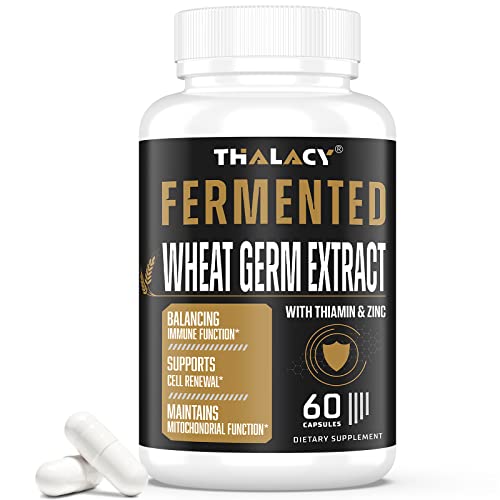
Two compounds have drawn genuine scientific attention for healthy aging research, but for very different reasons. Spermidine, a naturally occurring polyamine found in wheat germ, soybeans, and aged cheese, is proposed to extend healthspan primarily by activating autophagy: the cellular recycling process by which damaged proteins and dysfunctional organelles are identified, engulfed, and cleared. N-acetyl cysteine (NAC), a well-studied precursor to glutathione, works through a distinct mechanism: replenishing the body’s primary oxidative defense system rather than directly triggering cellular cleanup. Both have been studied in aging biology, but they are not interchangeable, and whole-blood spermidine in 78 people was lowest at ages 60 to 80 rather than falling steadily with age [7].
This article examines what each compound does, what the published evidence currently supports, and why the difference between active cellular clearance and antioxidant protection matters when thinking about long-term cellular health. These statements have not been evaluated by the FDA; this is informational content, not medical advice.
Key Takeaways
- Spermidine activates autophagy, the cell’s active recycling process, while NAC replenishes glutathione, the body’s primary antioxidant; these are complementary mechanisms, not redundant ones.
- GlyNAC (glycine plus NAC combined) has human and animal clinical evidence showing improvements across oxidative stress, mitochondrial function, inflammation, and cognition [1][2].
- Spermidine’s human evidence is encouraging but currently limited to small, short-term trials; robust long-term data does not yet exist.
- Both autophagy and antioxidant capacity decline with age, suggesting these two strategies address different but overlapping failure modes in cellular aging.
- Neither compound replaces foundational lifestyle factors (exercise, adequate sleep, and diet) which independently regulate both autophagic flux and glutathione synthesis.
Autophagy: The Cell's Quality-Control Recycling System
Autophagy is a conserved biological process in which cells form membrane-bound vesicles called autophagosomes that capture misfolded proteins, damaged mitochondria, and other dysfunctional cargo, then deliver that material to lysosomes for degradation and recycling. The process is sometimes described loosely as ‘cellular housekeeping,’ but it is more precisely an active quality-control mechanism that becomes especially important under nutrient stress and during aging.
Research demonstrates that autophagy can be activated through lysosome-dependent transcriptional programs as part of a broader cellular stress response [3]. When autophagic flux is impaired, damaged material accumulates inside cells. Studies in retinal pigmented epithelial cells (long-lived, post-mitotic cells that depend heavily on autophagy) have shown that compromised autophagic activity leads to buildup of toxic byproducts that drive cellular dysfunction [4]. Separately, endoplasmic reticulum stress-related autophagy in retinal tissue has been shown to be over-activated by light exposure, with suppressing it protecting cells and mouse retinas against light-induced damage, illustrating how context-dependent and mechanistically varied autophagic responses can be [5].
Autophagic activity is thought to fall with age, although direct evidence of tissue-specific autophagic flux in humans remains limited [8]. This observation is a primary driver of scientific interest in compounds that may restore or enhance autophagic flux in older organisms.
Spermidine: A Polyamine Proposed to Activate Autophagy
Spermidine is a polyamine synthesized in virtually all living cells and obtained from food. Wheat germ is among the richest known dietary sources; others include soybeans, mushrooms, aged cheeses, and fermented foods. Spermidine falls with age in T cells from human donors and in mouse muscle, but whole blood from 78 people did not show a steady fall with age, a mixed picture that has motivated research [9][10][7] into whether supplemental spermidine can restore autophagic activity toward more youthful levels.
Research note: The wheat germ extract capsules in SmartAge raised daily spermidine intake by only about 10% of the average intake in developed countries [15].
The proposed primary mechanism is inhibition of histone acetyltransferases (HATs), which promotes hypoacetylation of specific chromatin regions and downstream activation of autophagy-related genes. Spermidine extended lifespan in yeast, flies, worms and cultured human immune cells in lab work, and a review reports longer life in mice given oral polyamines; results in mouse disease models are mixed, with no improvement in advanced fatty liver disease and no change in high-fat-diet obesity in one study. Human evidence is limited: in the 12-month SmartAge trial of 100 older adults, wheat germ extract did not meet its primary memory endpoint, and a 30-person pilot reported moderately better memory with a 95% confidence interval that crossed zero [11][12][13][14][15][16]. These trials are short-term and involve modest sample sizes; definitive clinical endpoints have not yet been established in large controlled studies.

Mitophagy, the selective autophagy of damaged mitochondria, is a closely related and especially relevant sub-process. Research on compounds that modulate the ROS/JNK signaling axis illustrates how oxidative stress signaling and selective mitochondrial clearance are mechanistically intertwined [6]. Spermidine’s pro-autophagic effects are thought to include enhancement of mitophagy, which may partly explain the improvements in mitochondrial function observed in animal studies.
NAC: Replenishing the Body's Primary Antioxidant Defense
N-acetyl cysteine provides a bioavailable form of cysteine, the rate-limiting amino acid in the synthesis of glutathione (GSH), often called the body’s master antioxidant. Glutathione is present in nearly every cell and plays a central role in neutralizing reactive oxygen species, supporting immune function, and maintaining cellular redox balance. Biological aging is consistently associated with progressive glutathione deficiency, and NAC supplementation is one of the most direct pharmacological ways to address that deficit.
NAC works primarily upstream of antioxidant defense rather than by directly inducing autophagy. Its primary action is increasing intracellular cysteine availability to enable greater glutathione synthesis. This is a fundamentally different cellular strategy than spermidine’s: NAC reduces the rate of oxidative damage accumulating inside cells, while spermidine promotes the active removal of already-damaged components through autophagy. Both goals are relevant to aging biology, but they address different points of failure in the same broader process of cellular deterioration.
GlyNAC: The Clinical Evidence for NAC in Aging Biology
Most rigorous clinical evidence for NAC in aging contexts has come from studies pairing it with glycine: a protocol called GlyNAC. Glycine addresses a separate rate-limiting step in glutathione synthesis (glycine substrate availability), while NAC addresses cysteine availability. Together they restore GSH more effectively than either component alone.
In an open-label clinical trial of aging HIV patients, a population that exhibits accelerated biological aging, GlyNAC supplementation significantly improved oxidative stress markers, mitochondrial dysfunction, inflammation, endothelial dysfunction, insulin resistance, genotoxicity, physical strength, and cognitive performance [1]. While this population carries a specific and more severe depletion burden, the breadth of systems that responded illustrates how far-reaching glutathione status is in aging biology.
In a controlled study in old mice, GlyNAC supplementation improved brain glutathione deficiency, oxidative stress, glucose uptake, mitochondrial dysfunction, genomic damage, inflammation, neurotrophic factor levels, and age-associated cognitive decline [2]. The alignment between these findings and the human trial strengthens the case that the GlyNAC strategy addresses multiple overlapping hallmarks of biological aging through glutathione restoration. It is important to note that both studies used the glycine-plus-NAC combination; isolating effects to NAC alone requires additional study.
Clearance vs. Protection: How the Two Strategies Differ
The distinction between spermidine and NAC maps onto two complementary approaches to managing cellular damage over time. Spermidine favors active clearance: it prompts cells to identify, sequester, and recycle damaged components before they accumulate to harmful levels. NAC favors chemical protection: it raises the threshold at which oxidative damage occurs by ensuring the cell has robust glutathione reserves on hand.
Neither strategy is categorically superior. Cellular aging involves both an accumulating burden of damaged material that autophagy must clear and an ongoing oxidative environment that antioxidants must manage. A cell with high autophagic flux but depleted glutathione still accumulates oxidative modifications faster than autophagy can remove them. A cell with high glutathione but impaired autophagy will eventually accumulate misfolded proteins and dysfunctional organelles regardless of its antioxidant status.
This complementarity has led some researchers to suggest that pairing autophagy-inducing and antioxidant strategies may be additive in aging biology. However, direct combination trials examining spermidine alongside GlyNAC or NAC are not yet available in the published literature, and this remains speculative.
Practical Considerations: Safety, Dosing, and Who Each May Suit
Wheat germ extract has been given in trials delivering about 0.9 mg of spermidine per day in SmartAge and 1.2 mg per day in the earlier pilot, and adverse events were balanced with placebo in SmartAge, but safety has not been established long term [15][17]. Individuals with wheat allergies should verify the source of any supplement before use. Long-term human safety data are not yet available in the published literature, and human clinical trials to date have been small and of short duration. In the 28-person phase II trial, one serious adverse event occurred on extract and one on placebo, and neither was rated as related to treatment [17].
NAC has a substantially longer clinical history. It has been used for decades as a mucolytic and as a first-line treatment for acetaminophen overdose, and its safety profile at supplemental doses is well-characterized. High-dose NAC (above roughly 1800 mg per day) can cause nausea in some individuals, and interactions with certain medications, including some chemotherapy agents, warrant medical consultation in those contexts. The GlyNAC protocol used in published aging trials dosed glycine and NAC at approximately 100 mg per kilogram body weight each per day [1], which is substantially higher than typical over-the-counter supplementation and should be approached with physician oversight.
For individuals primarily concerned with oxidative stress, mitochondrial energy metabolism, or cognitive aging, GlyNAC has encouraging early data from an open-label trial in aging HIV patients and a mouse study. For those interested in autophagy induction and cellular recycling, particularly around protein aggregate clearance, spermidine is a rational candidate, with the honest caveat that human long-term evidence remains limited. Neither compound substitutes for exercise, caloric balance, and sleep, all of which independently and potently regulate both autophagy and glutathione status.
🛒 Where to Buy Spermidine
- Oxford Healthspan Primeadine Original
capsules, 1 mg spermidine per capsule, 3 capsules/day recommended: Whole-food wheat germ concentrate; includes other natural polyamines; most-cited premium brand in longevity community; batches independently tested by third-party labs per the brand. - Double Wood Supplements Spermidine
capsules, 10 mg wheat germ extract (standardized to provide spermidine) per capsule: Budget-accessible entry point; clearly labeled wheat germ extract source; Double Wood is a reputable US brand with good COA transparency. - Renue By Science Spermidine
capsules, 10 mg wheat germ extract per capsule, 1-2 capsules/day: Longevity-focused brand known for NMN and NAD precursors; offers spermidine as part of a stack ecosystem; good option for existing Renue customers
As an Amazon Associate we earn from qualifying purchases. Spermidine labels are easy to misread: the headline number is usually wheat germ extract weight, which can be several hundred times the spermidine inside it. Choose a product that states the milligrams of actual spermidine per serving along with the standardization percentage behind that figure, check the allergen disclosure if you avoid wheat, and with synthetic spermidine trihydrochloride confirm whether the stated milligrams refer to the salt or to the free base.
A Note on the Evidence
Spermidine’s human clinical evidence is limited to small, short-duration trials, and safety data beyond two years is not yet available; GlyNAC evidence, while more developed, also rests on relatively small studies in specific populations. Both compounds should be treated as experimental additions to a wellness regimen rather than proven therapies, and anyone with chronic illness, taking medications, or who is pregnant should consult a qualified healthcare provider before use.

Frequently Asked Questions
Does NAC directly induce autophagy?
NAC’s primary mechanism is providing cysteine to support glutathione synthesis, not directly activating autophagy pathways. Reducing oxidative stress can create a cellular environment more permissive to autophagic activity, but NAC is not considered a primary autophagy inducer in the way spermidine is proposed to work mechanistically.
What foods are highest in spermidine?
Wheat germ is among the highest-concentration dietary sources, followed by soybeans, mushrooms, aged cheeses such as cheddar and parmesan, and fermented foods including natto. Most spermidine supplements use wheat germ extract; the EU specification is 0,8-2,4 mg of spermidine per gram of extract, and extract weight on a label is not the same as spermidine delivered [18][19].
Is GlyNAC the same as taking NAC by itself?
No. GlyNAC combines glycine with NAC to address both rate-limiting substrates in glutathione synthesis simultaneously. The clinical studies showing broad improvements in aging-related biomarkers used the combination specifically [1][2]; the evidence for standalone NAC supplementation in healthy aging contexts is more limited and less direct.
Can spermidine and NAC be taken together?
No published human trials have specifically tested the combination of spermidine with NAC or GlyNAC. Because their mechanisms are distinct, autophagy induction versus antioxidant replenishment, there is no obvious pharmacological antagonism, but direct evidence for safety or efficacy of the combination is absent. A healthcare provider should be consulted before combining these supplements.
How does autophagy connect to mitochondrial health?
Mitophagy is the selective autophagic clearance of damaged mitochondria and is essential for maintaining a healthy, functional mitochondrial pool. Research on mitophagy-regulating pathways, including the ROS/JNK signaling axis, illustrates how oxidative stress and selective mitochondrial clearance are mechanistically linked [6]. Spermidine (through autophagy induction) and NAC (through oxidative stress reduction) may both support mitochondrial health but through different entry points in this biology.
Who should be cautious about spermidine supplements?
Individuals with wheat allergies should confirm the source before using any spermidine supplement, since wheat germ extract is the predominant commercial form. Pregnant or breastfeeding individuals, and those with active cancer or undergoing oncology treatment, should consult a physician before supplementing, as polyamine metabolism intersects with cell proliferation pathways. Anyone on prescription medications should also check for interactions with their provider.
References
- Kumar P et al. Supplementing Glycine and N-acetylcysteine (GlyNAC) in Aging HIV Patients Improves Oxidative Stress, Mitochondrial Dysfunction, Inflammation, Endothelial Dysfunction, Insulin Resistance, Genotoxicity, Strength, and Cognition: Results of an Open-Label Clinical Trial. Biomedicines (2020). PMID 33007928
- Kumar P et al. GlyNAC (Glycine and N-Acetylcysteine) Supplementation in Old Mice Improves Brain Glutathione Deficiency, Oxidative Stress, Glucose Uptake, Mitochondrial Dysfunction, Genomic Damage, Inflammation and Neurotrophic Factors to Reverse Age-Associated Cognitive Decline: Implications for Improving Brain Health in Aging. Antioxidants (Basel, Switzerland) (2023). PMID 37237908
- Li D et al. Sulforaphane Activates a lysosome-dependent transcriptional program to mitigate oxidative stress. Autophagy (2021). PMID 32138578
- Jeong SY et al. Photoactivation of N-retinylidene-N-retinylethanolamine compromises autophagy in retinal pigmented epithelial cells. Food and chemical toxicology : an international journal published for the British Industrial Biological Research Association (2019). PMID 31173818
- Song JY et al. Suppressing endoplasmic reticulum stress-related autophagy attenuates retinal light injury. Aging (2020). PMID 32858529
- Li QH et al. Quercetin alleviates imatinib-induced premature ovarian insufficiency by regulating mitophagy via the ROS/JNK/c-JUN pathway. International immunopharmacology (2026). PMID 41722539
- Stefania Pucciarelli et al. Spermidine and Spermine Are Enriched in Whole Blood of Nona/Centenarians. Rejuvenation Research (2012). PMID 22950434
- Francesca Martinez-Nachon et al. From Autophagy to Clinical Practice: Fasting and Caloric Restriction. Journal of Independent Medicine (2026). doi:10.71189/jim/2026/v02n05a02
- Ghada Alsaleh et al. Autophagy in T cells from aged donors is maintained by spermidine and correlates with function and vaccine responses. eLife (2020). PMID 33317695
- Uchitomi R et al. Metabolomic Analysis of Skeletal Muscle in Aged Mice. Scientific reports (2019). PMID 31320689
- Eisenberg T et al. Induction of autophagy by spermidine promotes longevity. Nature cell biology (2009). PMID 19801973
- Bruno Ramos‐Molina et al. Dietary and Gut Microbiota Polyamines in Obesity- and Age-Related Diseases. Frontiers in Nutrition (2019). PMID 30923709
- Szydlowska M et al. Restoring polyamine levels by supplementation of spermidine modulates hepatic immune landscape in murine model of NASH. Biochimica et biophysica acta. Molecular basis of disease (2023). PMID 37054999
- Sophia Pankoke et al. Oral Supplementation with the Polyamine Spermidine Affects Hepatic but Not Pulmonary Lipid Metabolism in Lean but Not Obese Mice. Nutrients (2022). PMID 36297003
- Claudia Schwarz et al. Effects of Spermidine Supplementation on Cognition and Biomarkers in Older Adults With Subjective Cognitive Decline. JAMA Network Open (2022). PMID 35616942
- Wirth M et al. The effect of spermidine on memory performance in older adults at risk for dementia: A randomized controlled trial. Cortex; a journal devoted to the study of the nervous system and behavior (2018). PMID 30388439
- Claudia Schwarz et al. Safety and tolerability of spermidine supplementation in mice and older adults with subjective cognitive decline. Aging (2018). PMID 29315079
- European Commission (Official Journal of the EU) Commission Implementing Regulation (EU) 2020/443: specifications of the novel food spermidine-rich wheat germ extract (Triticum aestivum). European Commission (Official Journal of the EU) (2020). source
- Philipp Steichen et al. Spermidine content of selected dietary supplements: potential for improvement?. Functional Foods in Health and Disease (2023). doi:10.31989/ffhd.v13i5.1102
These statements have not been evaluated by the Food and Drug Administration. This information is not intended to diagnose, treat, cure, or prevent any disease. Content is for informational purposes only and is not medical advice; consult a qualified healthcare provider before starting any supplement. As an Amazon Associate we earn from qualifying purchases.