If you have been reading about longevity nutrition, you have likely encountered spermidine—a naturally occurring polyamine that researchers are studying for its role in cellular maintenance. What often gets less attention is where most dietary spermidine actually comes from: wheat germ, the small embryo at the heart of a wheat kernel that is routinely stripped away during milling. Gram for gram, wheat germ contains more spermidine than virtually any other whole food, making it the most practical and concentrated natural source available.
This article explains what spermidine is, why wheat germ is its primary vehicle in the human diet, how the proposed mechanisms work at the cellular level, and what honest limitations exist in the current evidence. No cures are claimed here, and nothing in this article constitutes medical advice. The goal is to give you an accurate, grounded understanding so you can make informed choices.
Key Takeaways
- Wheat germ is the single most concentrated dietary source of spermidine, containing roughly 24 to 30 micrograms per gram—significantly more than soy, aged cheese, or vegetables.
- Spermidine is proposed to support health primarily by inducing autophagy, the cellular recycling process that tends to decline with age, though human long-term evidence remains limited.
- Supplemental doses studied in human trials typically range from 1 to 6 mg per day; dietary intake from whole foods including wheat germ, legumes, and fermented products falls in a similar range.
- Wheat-germ-derived spermidine supplements are generally well tolerated; individuals with wheat allergies should verify the gluten status of any specific product before use.
- The animal model and early human trial data are promising but not conclusive—spermidine is informational nutrition science, not a proven treatment for any disease.
What Is Spermidine and Why Does It Matter?
Spermidine is a polyamine—a small, positively charged molecule that cells produce internally and also absorb from food. Polyamines as a class, which also include putrescine and spermine, are involved in a wide range of biological processes including cell growth, gene expression, and the maintenance of membrane stability. Spermidine is particularly notable because intracellular concentrations of all polyamines tend to decline progressively with age in most tissues studied.
The proposed reason spermidine has attracted longevity researchers is its capacity to induce autophagy, the process by which cells identify damaged proteins and organelles, package them, and either recycle their components or clear them out entirely. Autophagy is sometimes called the cell’s internal housekeeping system, and reduced autophagic activity is associated with the accumulation of cellular debris that characterizes many age-related conditions. Animal model research and a growing number of small human trials have explored whether dietary or supplemental spermidine can support this process, though the field remains early and human long-term data beyond approximately two years is limited.
It is worth being clear that spermidine is not a drug, not a cure for any disease, and not evaluated by the FDA for therapeutic use. The interest in it is fundamentally nutritional and mechanistic—researchers are asking whether keeping dietary polyamine intake higher, particularly as endogenous production falls with age, has measurable effects on health markers.
Why Wheat Germ Leads Every Other Food Source
Wheat germ consistently appears at the top of food composition databases for spermidine content. Typical values place wheat germ in the range of roughly 24 to 30 micrograms of spermidine per gram of dry weight, which is substantially higher than other commonly cited sources such as soybeans, aged cheese, mushrooms, or broccoli. This concentration matters practically: a single tablespoon of raw wheat germ (approximately 7 to 8 grams) can deliver a meaningful fraction of the daily spermidine intake that has been studied in clinical contexts.
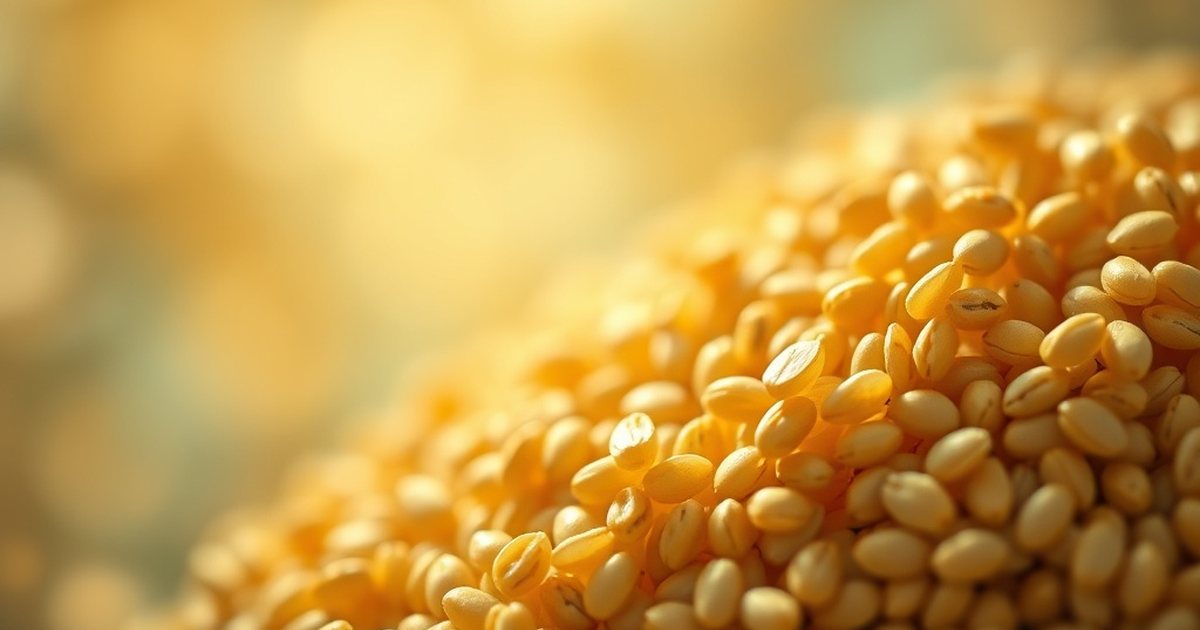
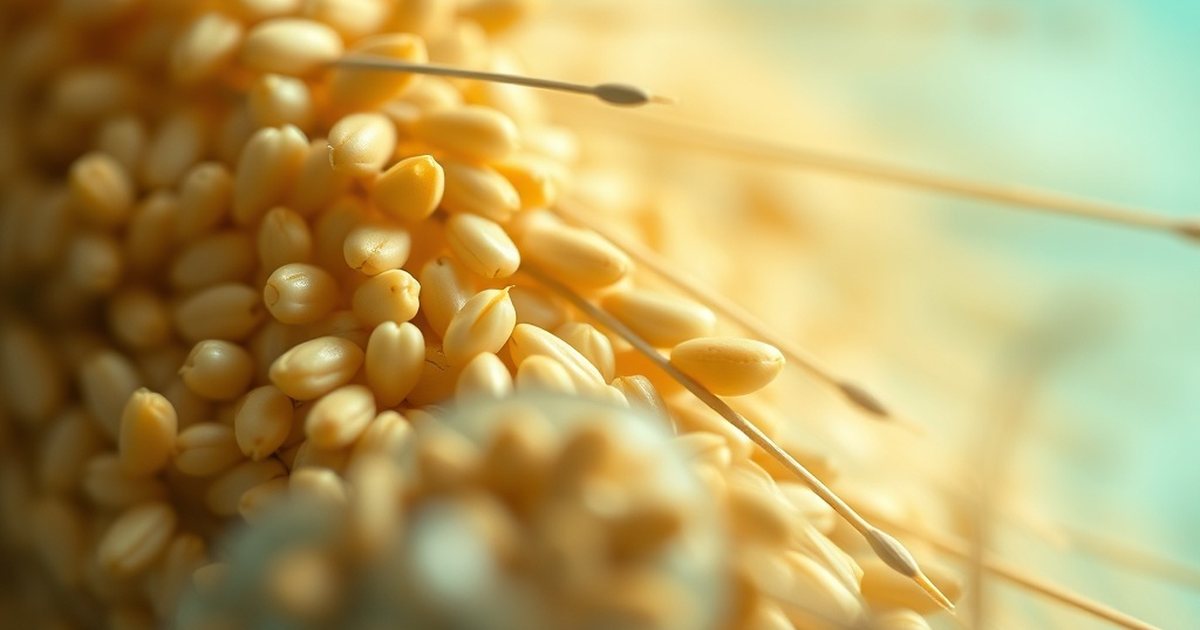
The biological reason wheat germ is so rich in spermidine is straightforward: the germ is the living embryo of the wheat kernel. It must support rapid cell division and growth when the seed germinates, and polyamines are essential to that process. The endosperm—the starchy bulk of the kernel that becomes white flour—contains far less. When wheat is refined into white flour, the germ and bran are removed, and most of the naturally occurring spermidine goes with them. Whole wheat products retain more, but concentrated wheat germ is the densest practical source in the food supply.
Other polyamine-rich foods worth knowing about include aged and fermented products such as certain cheeses, natto, and miso, where microbial activity during fermentation generates additional polyamines. Fresh vegetables including green peas, broccoli, and cauliflower contribute meaningfully as well. Wheat germ still stands apart in terms of concentration per gram, which is why it has become the primary raw material for spermidine supplements on the market.

The Proposed Mechanism: Autophagy and Cellular Recycling
The central mechanistic hypothesis for spermidine’s potential health effects involves its ability to inhibit certain acetyltransferase enzymes—particularly EP300—which in turn promotes the activation of autophagy pathways. In simplified terms, spermidine appears to act as a signal that nudges cells toward their internal recycling mode. In animal studies, this has been associated with markers of reduced cellular aging, improved immune function, and cardiovascular benefits. The most replicated finding in model organisms is an extension of lifespan, observed across yeast, worms, flies, and mice given spermidine supplementation.
In human cells studied in the laboratory, spermidine has been shown to trigger autophagy markers in a dose-dependent way. The translation of this to whole-body human health is where the evidence becomes genuinely limited and preliminary. Small randomized trials in older adults have examined effects on memory, inflammatory markers, and immune cell function with generally encouraging but not yet definitive results. Researchers have also examined associations between dietary spermidine intake and cardiovascular outcomes in large observational cohorts, but association does not establish cause and effect.
It is equally important to note that autophagy is not unconditionally beneficial in all contexts. It is a regulated process that cells modulate carefully, and the nuances of how dietary spermidine interacts with that regulation in healthy versus diseased human tissue remain an active research question.
Typical Intake, Supplemental Doses, and Safety Profile
Estimated dietary spermidine intake in Western populations ranges roughly from 7 to 25 milligrams per day depending on diet composition, with higher intakes observed in populations who eat more fermented foods, legumes, and whole grains. This is a total polyamine figure; spermidine specifically accounts for a portion of that. The supplemental doses used in published human trials have generally ranged from about 1 to 6 milligrams of spermidine per day, often delivered via wheat germ extract standardized to spermidine content.
Spermidine from wheat germ is generally recognized as safe at these dietary and supplemental levels. Published trials have not identified serious adverse effects at doses studied, and the compound has a long history of human consumption via food. One practical note: because commercial spermidine supplements are typically derived from wheat germ, individuals with wheat allergies or celiac disease should verify whether the extraction process removes gluten-containing proteins before using a wheat-germ-derived product. Some manufacturers use processes that substantially reduce gluten content, but this should be confirmed with the specific product.
Long-term human safety data beyond approximately two years of supplemental use does not yet exist in sufficient volume to draw firm conclusions. As with any supplement, consulting a qualified healthcare provider before beginning use is advisable, particularly for individuals who are pregnant, nursing, managing a chronic condition, or taking prescription medications.
How to Increase Spermidine Through Wheat Germ in the Diet
The simplest way to increase dietary spermidine via wheat germ is to add raw or lightly toasted wheat germ to foods you already eat. It has a mild, slightly nutty flavor and integrates without difficulty into oatmeal, yogurt, smoothies, baked goods, or as a breadcrumb substitute in savory dishes. Raw wheat germ is more perishable than processed grains because of its oil content; it should be refrigerated after opening and used within a few weeks of opening to avoid rancidity.

For those looking for a more precise and consistent intake—particularly older adults interested in the spermidine research on cognitive and cardiovascular health markers—standardized wheat germ extract supplements allow for a known daily dose. These are typically measured in milligrams of spermidine and provide more reliability than estimating intake from variable food sources. As noted above, verifying the gluten and allergen status of any supplement derived from wheat is prudent before use.
A broader dietary approach that supports higher polyamine intake would also include regular servings of legumes, cruciferous vegetables, mushrooms, and fermented foods such as aged cheese, tempeh, or natto. These complement wheat germ as part of a whole-diet strategy rather than relying on a single source.
Where the Evidence Stands and What Remains Unknown
The scientific case for dietary spermidine is more developed than many supplement ingredients in that it rests on a plausible and well-studied mechanism, consistent findings in multiple animal models, and a growing number of human trials with encouraging preliminary results. It is not, however, a settled area of science. Most human trials to date have been small, short-duration, and designed to measure surrogate endpoints like biomarkers rather than clinical outcomes such as disease incidence or mortality.
The question of whether raising dietary spermidine intake in healthy middle-aged or older adults produces meaningful, measurable benefits in humans—and at what dose, for how long—is genuinely open. Researchers are actively conducting larger and longer trials. The observational data associating higher dietary polyamine intake with reduced cardiovascular and all-cause mortality is consistent and interesting, but dietary patterns that happen to include more wheat germ, legumes, and fermented foods also differ from low-polyamine diets in many other ways that could explain the associations.
Honest appraisal of the evidence means acknowledging both the genuine scientific interest and the gap between animal model results and proven human benefit. Spermidine from wheat germ is a well-characterized, safe dietary compound with a biologically rational mechanism. It is not a proven treatment or cure for any condition.
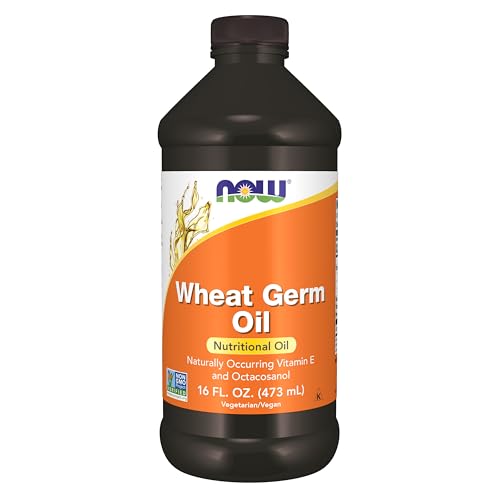
🛒 Where to Buy Spermidine
- Oxford Healthspan Primeadine OriginalLab-tested / studied
capsules, 1 mg spermidine per capsule, 3 capsules/day recommended — Standardized whole-food wheat germ concentrate; includes other natural polyamines; most-cited premium brand in longevity community; rigorous third-party testing - Double Wood Supplements Spermidine
capsules, 10 mg wheat germ extract (standardized to provide spermidine) per capsule — Budget-accessible entry point; clearly labeled wheat germ extract source; Double Wood is a reputable US brand with good COA transparency on Amazon - Renue By Science Spermidine
capsules, 10 mg wheat germ extract per capsule, 1-2 capsules/day — Longevity-focused brand known for NMN and NAD precursors; offers spermidine as part of a stack ecosystem; good option for existing Renue customers - Micro Ingredients Spermidine Supplement
capsules, 10 mg wheat germ extract per capsule — High-volume Amazon seller with strong review base; value pricing; suitable for users who want to trial spermidine without premium brand commitment
As an Amazon Associate we earn from qualifying purchases. Spermidine labels are easy to misread: the headline number is usually wheat germ extract weight, which can be several hundred times the spermidine inside it. Choose a product that states the milligrams of actual spermidine per serving along with the standardization percentage behind that figure, check the allergen disclosure if you avoid wheat, and with synthetic spermidine trihydrochloride confirm whether the stated milligrams refer to the salt or to the free base.
A Note on the Evidence
The human evidence for spermidine supplementation remains preliminary—most trials are small and short-term, and long-term safety data beyond approximately two years is limited; these statements have not been evaluated by the FDA and this is not intended to diagnose, treat, cure, or prevent any disease. Individuals who are pregnant, nursing, managing a chronic health condition, or taking prescription medications should consult a qualified healthcare provider before adding any supplement to their routine.
Frequently Asked Questions
How much spermidine does wheat germ actually contain compared to other foods?
Wheat germ typically contains approximately 24 to 30 micrograms of spermidine per gram of dry weight, placing it well above most other whole foods. By comparison, soybeans, aged cheese, and broccoli contribute meaningful amounts but at lower concentrations per gram. A tablespoon of wheat germ can therefore provide a practically significant dose relative to what has been studied in clinical contexts.
Is spermidine from wheat germ safe to take as a supplement?
Spermidine derived from wheat germ is generally recognized as safe at dietary and supplemental doses up to approximately 6 mg per day based on published trials, which have not identified serious adverse effects. Long-term human safety data beyond about two years of supplemental use is limited, and anyone with a wheat allergy should confirm the gluten status of the specific product. Consulting a healthcare provider before supplementing is advisable.
Does cooking or processing destroy spermidine in wheat germ?
Spermidine is reasonably heat-stable compared to some micronutrients, and moderate cooking temperatures used in baking or light toasting do not eliminate it entirely, though some reduction in content can occur. Raw wheat germ retains the highest levels. Because wheat germ oil turns rancid relatively quickly, proper refrigerated storage after opening is more important for preserving quality than avoiding heat entirely.
Can someone with celiac disease or a wheat allergy use wheat germ spermidine supplements?
This depends entirely on the specific product and its manufacturing process. Some wheat germ extracts are processed in ways that substantially reduce gluten content, but wheat germ itself is derived from wheat and cross-reactivity is a legitimate concern. Individuals with celiac disease or confirmed wheat allergy should consult their physician and verify the allergen testing documentation for any specific supplement before use.
What is autophagy and why is it relevant to spermidine?
Autophagy is the process by which cells identify and break down damaged proteins, misfolded structures, and dysfunctional organelles, recycling their components for reuse or clearing them as waste. It functions as a form of internal quality control that tends to become less efficient with age. Spermidine is proposed to promote autophagy by inhibiting certain acetyltransferase enzymes, making it a subject of active research in the context of cellular aging and healthspan.
Are there other good dietary sources of spermidine besides wheat germ?
Yes. Soybeans and soy-based fermented foods such as natto and tempeh are among the better sources, as are aged cheeses, mushrooms, green peas, broccoli, and cauliflower. Fermented and aged foods benefit from microbial polyamine production during processing, which can raise their spermidine content beyond what the raw ingredient alone would provide. A varied diet including whole grains, legumes, and fermented foods will naturally support higher total polyamine intake.
These statements have not been evaluated by the Food and Drug Administration. This information is not intended to diagnose, treat, cure, or prevent any disease. Content is for informational purposes only and is not medical advice; consult a qualified healthcare provider before starting any supplement. As an Amazon Associate we earn from qualifying purchases.
