Spermidine is a naturally occurring polyamine found in wheat germ, soybeans, natto, and aged cheese. In mice, spermidine falls with age in many tissues, and researchers have proposed that restoring those levels may support cellular maintenance [4][12] through a process called autophagy: the body’s built-in system for breaking down and recycling damaged cellular components. That hypothesis has attracted serious scientific attention and, predictably, a wave of commercial supplements.
The supplement market has responded faster than the evidence base. Dozens of products now carry claims about longevity, cognition, and cellular health, but labels frequently omit the details that matter most: actual spermidine concentration, source material, third-party testing status, and the honest limits of current human data. This guide walks through what to look for, what questions to ask, and what the science actually supports so far.
Key Takeaways
- Verify actual spermidine concentration per serving, not just extract weight: reputable brands disclose the standardization percentage.
- If you have a wheat allergy, confirm the source of spermidine and check allergen testing results before purchasing.
- Third-party certification (NSF, USP, Informed Sport) or a verifiable, current certificate of analysis is the baseline standard for quality assurance.
- Spermidine doses from wheat germ extract in the human trials were about 1 mg per day (0.9 mg in SmartAge, which did not meet its primary memory endpoint), and purified spermidine has been given at 15 to 40 mg per day; compare this to what a product actually delivers per serving [6][11].
- The largest controlled trial ran 12 months, so long-term human safety data remain limited; this is an evolving field and current evidence should inform cautious optimism, not certainty [6].
What Spermidine Is and Why It Matters
Spermidine belongs to a class of small molecules called polyamines, which are essential for cell growth, DNA stabilization, and protein synthesis. What has driven recent supplementation interest is spermidine’s proposed role as an autophagy inducer. Autophagy is the process by which cells tag, disassemble, and recycle damaged proteins and dysfunctional organelles: essentially cellular housekeeping. Impaired autophagy is associated with aging and a range of age-related conditions in animal models.
In laboratory and animal studies, spermidine administration has been associated with extended lifespan and improved markers of cardiovascular and cognitive function.[1][2] Small human trials and observational studies have examined dietary spermidine intake in relation to health outcomes, with some suggesting associations between higher intake and reduced risk of certain age-related outcomes.[3] However, the evidence in humans is still early, most trials are short, and effect sizes vary. Buyers should approach claims on labels with that context firmly in mind.
The largest trial to date, SmartAge (100 adults aged 60 to 90 with subjective cognitive decline, 12 months), did not meet its primary memory endpoint (P = .47), and its secondary outcomes were also not significant; its authors suggested the dose may have been too low. A lead author was chief executive of the extract maker The Longevity Labs while the trial ran, and the company funded development of the extract [6].
The Source Problem: Wheat Germ Extract vs. Synthetic Spermidine
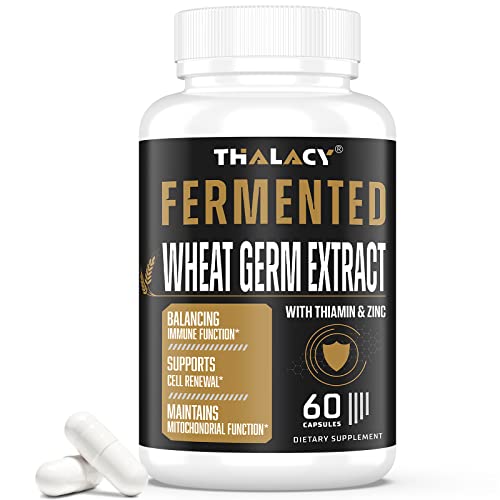
The majority of commercial spermidine supplements use wheat germ extract as the raw material. Wheat germ is one of the richest dietary sources of spermidine, but extracting and standardizing it presents real challenges.[4] The spermidine content of wheat germ varies by agricultural source, harvest conditions, and processing method. A label that says ‘5 mg wheat germ extract’ tells you almost nothing without also stating the verified spermidine concentration within that extract.
Research note: In the phase IIa pilot (Wirth et al.), memory performance was described as moderately better on spermidine-rich plant extract than placebo, but the 95% CI for the between-group contrast (-.01 to .35) crossed zero; the authors based interpretation on effect sizes, not significance [7].
Some newer products use biosynthetically produced or fermentation-derived spermidine, which can allow for tighter concentration control and avoids wheat-derived allergens. If you have a wheat allergy or gluten sensitivity, this distinction is not trivial: wheat germ extracts are derived from wheat, and the label may not flag this clearly. Always check the allergen disclosure, not just the ingredient panel. When a product lists ‘wheat germ extract’ as the source, contact the manufacturer to ask what the verified spermidine concentration is per serving and whether the product is tested for residual wheat allergens.
A third category exists: products that list spermidine as a standalone ingredient without disclosing source. Treat these with extra scrutiny. Ask for a certificate of analysis from a third-party lab that confirms both the identity and concentration of the compound.

Dose: What the Science Has Used vs. What Supplements Deliver
One secondary account says average daily dietary intake of spermidine varies from 7 to 25 mg, and the SmartAge authors note their capsules added about 10% of the average intake in developed countries. In the extract trials the spermidine dose was about 1 mg per day from wheat germ extract capsules (1.2 mg in the 30-person pilot[5], 0.9 mg in the 100-person SmartAge trial[6]), while purified spermidine has been given at 15 to 40 mg per day in other human studies [10][6][5][11]. Some products on the market deliver doses within this range; others deliver far less and rely on the wheat germ extract weight on the label to sound more substantial than it is.
When comparing products, calculate the actual spermidine delivered per dose rather than comparing extract weights. The EU specification for spermidine-rich wheat germ extract sets spermidine at 0,8 to 2,4 mg per gram of extract, so spermidine is a small fraction of the extract weight, and a review of marketed supplements reports a typical concentration of one to two mg per gram. Content per gram varied by up to two orders of magnitude between nine marketed products, and one analysed product is labelled with 5 mg of spermidine in 169 mg of extract, so a label figure cannot be assumed to match the specification. Without knowing the stated spermidine amount, the raw extract weight is misleading [8][9]. Reputable brands publish this figure prominently or include it on the certificate of analysis.
Third-Party Testing: The Non-Negotiable Baseline
Dietary supplements in the United States are not approved by the FDA before they go to market. The FDA does not verify that a supplement contains what the label claims, at the stated dose, free of contaminants. That verification burden falls on the buyer, or on voluntary third-party certification programs.
Look for products certified by NSF International, USP (United States Pharmacopeia), or Informed Sport. These organizations independently test for label accuracy, contaminant levels (heavy metals, pesticides, microbial contamination), and in some cases, banned substances. A certification seal from one of these bodies is the most reliable signal that what is in the bottle matches what is on the label. In the absence of such certification, request a current certificate of analysis (CoA) directly from the manufacturer. A CoA should show tested spermidine concentration, heavy metal panels, and microbial results, with results from a named third-party laboratory and a batch or lot number that matches the product you are purchasing.
Be skeptical of CoAs that are undated, lack a third-party lab name, or cannot be matched to a specific production batch. These documents are only meaningful when they are verifiable and current.
Stability, Storage, and Formulation Considerations
Spermidine is sensitive to heat, light, and oxidation. Formulation and packaging matter more than most labels acknowledge. Products packaged in dark glass or opaque, airtight containers with desiccant are more likely to maintain potency through the stated shelf life than those in clear plastic bottles. Some manufacturers use enteric-coated capsules to protect the compound through the stomach’s acidic environment and improve absorption in the small intestine, though the clinical relevance of this for spermidine specifically has not been firmly established in published human data.
Storage instructions on labels are often generic. Supplements containing wheat germ extract can be susceptible to oxidative degradation once opened. If a product lacks specific storage guidance or does not use protective packaging, factor that into your assessment. Buying smaller quantities more frequently may preserve potency better than purchasing large supplies that sit open for months.
What Labels Are Not Required to Tell You
Federal labeling rules require supplement manufacturers to list ingredients, serving size, and certain allergens, but they do not require disclosure of actual compound concentrations within a proprietary blend, bioavailability data, source material specifics beyond the ingredient name, or results of third-party testing. This creates predictable gaps that consumers routinely encounter.
Proprietary blends are a common obscuring mechanism. A label might list ‘Longevity Matrix 750 mg’ containing wheat germ extract, resveratrol, and quercetin without disclosing how much of each ingredient is present. If spermidine is inside such a blend, you cannot know whether the dose is meaningful or token. Avoid products that bundle spermidine inside unnamed or undisclosed blends if your intent is to supplement at a dose that corresponds to what has been studied.
Labels also rarely disclose the age of the raw material, country of origin for the wheat germ, or how long ago the batch was manufactured. All of these factors affect potency. Reputable companies that stand behind their products will answer these questions in writing. If a company does not respond or cannot provide documentation, that itself is informative.
🛒 Where to Buy Spermidine
- Oxford Healthspan Primeadine Original
capsules, 1 mg spermidine per capsule, 3 capsules/day recommended: Whole-food wheat germ concentrate; includes other natural polyamines; most-cited premium brand in longevity community; batches independently tested by third-party labs per the brand. - Double Wood Supplements Spermidine
capsules, 10 mg wheat germ extract (standardized to provide spermidine) per capsule: Budget-accessible entry point; clearly labeled wheat germ extract source; Double Wood is a reputable US brand with good COA transparency. - Renue By Science Spermidine
capsules, 10 mg wheat germ extract per capsule, 1-2 capsules/day: Longevity-focused brand known for NMN and NAD precursors; offers spermidine as part of a stack ecosystem; good option for existing Renue customers
As an Amazon Associate we earn from qualifying purchases. Spermidine labels are easy to misread: the headline number is usually wheat germ extract weight, which can be several hundred times the spermidine inside it. Choose a product that states the milligrams of actual spermidine per serving along with the standardization percentage behind that figure, check the allergen disclosure if you avoid wheat, and with synthetic spermidine trihydrochloride confirm whether the stated milligrams refer to the salt or to the free base.
The number that matters is not the biggest number
Pick up almost any wheat-germ-based spermidine product and the headline figure on the front will be the extract weight. It is a real number and it is not fabricated, but it describes the carrier, not the active compound.
The size of the gap is documented in regulation rather than marketing. The European Union authorises spermidine-rich wheat germ extract as a novel food, and the Union list entry specifies its composition. The specification gives spermidine at 0,8 to 2,4 mg per gram of extract[8]. That is a spermidine content between roughly 0,08 and 0,24 percent by weight.
Run that in the direction a shopper cares about. To supply 1 mg of spermidine from an extract meeting that specification, you need somewhere between about 420 mg and about 1,250 mg of extract, depending on where in the permitted range the batch sits. A label boasting 800 mg of wheat germ extract is, on those figures, plausibly delivering somewhere near 1 mg of spermidine. Neither number is wrong. They just answer different questions.
A label checklist
1. Find a stated spermidine quantity, in milligrams
If the supplement facts panel lists only an extract weight and never states how much spermidine that yields, you cannot compare the product to anything, including the clinical literature. That absence is itself the finding. A product that states the spermidine figure directly has made the comparison possible; one that does not has left you guessing.
2. Check whether the extract is standardised
Standardisation is what lets a manufacturer make the spermidine claim honestly. Without it, the yield varies with the raw material and the extraction run, and the permitted specification range itself spans a factor of three[8]. A product citing a standardisation percentage has told you how it arrived at the number.
3. For synthetic products, check salt versus free base
Synthetic spermidine is usually supplied as spermidine trihydrochloride, a salt form chosen for stability and solubility. The salt weighs more than the spermidine it contains, because the hydrochloride component is part of the mass. A stated milligram figure is therefore ambiguous unless the label specifies whether it refers to the salt or to the free-base equivalent. Reputable labels say which.
4. Check the allergen statement if that applies to you
Wheat germ extract is derived from Triticum aestivum[8]. Anyone avoiding wheat for coeliac disease or sensitivity needs to look at the allergen and gluten testing statements specifically rather than assuming an extract is equivalent to an isolate.
5. Treat proprietary blends as unreadable
If spermidine appears inside a proprietary blend with a single combined weight, the label has not disclosed the dose. There is no way to reconstruct it from the outside, and no way to compare the product to the trial literature.
Three labels, side by side
The clearest way to see the problem is to compare how the same underlying product can be presented. All three of the following describe supplements in the same general category.
| What the label says | What you can conclude | Verdict |
|---|---|---|
| “Wheat germ extract 800 mg” and nothing else | Only the carrier weight. Applying the 0,8 to 2,4 mg/g specification range gives roughly 0,6 to 1,9 mg of spermidine, a three-fold uncertainty | Not comparable to anything |
| “Wheat germ extract 1,000 mg, standardised to provide 1 mg spermidine” | Both numbers, and the relationship between them. Directly comparable to the trial dose | Readable |
| “Longevity Blend 950 mg (wheat germ extract, resveratrol, quercetin)” | Nothing about spermidine content. The blend weight is shared across all listed ingredients in undisclosed proportions | Undisclosed dose |
The middle row is the only one where a shopper can answer the question “how much spermidine am I taking”. Note that the first row is not misleading in any legal sense. It is accurate. It simply does not answer the question, and the three-fold spread comes straight from the permitted specification range[8].
Claims that do not survive checking
Two things circulate widely enough to be worth flagging.
The first is the frequently quoted figure that European regulators set a 6 mg per day spermidine limit in a 2021 EFSA opinion. Checking that against primary sources does not support the framing. The operative instrument is Commission Implementing Regulation (EU) 2020/443, adopted in 2020, and the product entered the Union list through a substantial-equivalence notification rather than a full safety opinion[8]. The specific 6 mg per day figure could not be confirmed in the regulation text, so it is not treated as established here. Where a specific number is needed, the composition specification of 0,8 to 2,4 mg per gram is the one that is directly verifiable.
The second is the general claim that natural extracts are inherently superior to synthetic spermidine, or the reverse. Both claims are made most loudly by brands selling the form in question. The molecule is the same molecule; the meaningful differences are dose precision, allergen profile, and whether co-occurring polyamines matter, and that last point is unresolved rather than settled in either direction.
A Note on the Evidence
Human clinical evidence for spermidine supplementation remains limited to small, short-duration trials, and the largest controlled trial ran 12 months; the findings from animal studies have not been shown in large human trials, and the 100-adult SmartAge trial did not meet its primary memory endpoint [6]. Individuals with wheat allergies, those who are pregnant or nursing, and those taking medications that affect immune function or cellular proliferation should consult a qualified healthcare provider before use. These statements have not been evaluated by the FDA; this product is not intended to diagnose, treat, cure, or prevent any disease.
People with a prior cancer diagnosis were excluded from SmartAge, so its authors state the effect of supplementation on tumour risk was not tested; the polyamine and cancer concern runs both ways and remains a hypothesis, with no human supplement trial [6][14][9].

Frequently Asked Questions
Is spermidine safe to take as a supplement?
Spermidine is found in common foods. In the EU, spermidine-rich wheat germ extract was authorised through substantial equivalence to common wheat germ rather than a fresh full safety assessment, and a review notes there are no official recommendations for daily polyamine intake. In the 12-month SmartAge trial adverse events were balanced between extract and placebo, with more musculoskeletal events on the extract. The largest controlled trial ran 12 months, so long-term human safety data are limited, and individuals with wheat allergies should verify the source material [9][13][6]. These statements have not been evaluated by the FDA; this is not medical advice.
How do I know if a product contains the dose it claims?
Request a certificate of analysis from the manufacturer that specifies the verified spermidine concentration, identifies the testing laboratory by name, and includes a lot or batch number matching your purchase. Third-party certification from organizations such as NSF International or USP provides an additional layer of independent verification.
What is the difference between wheat germ extract and synthetic spermidine?
Wheat germ extract is a plant-derived source that requires standardization to a specific spermidine concentration; its purity and potency depend on raw material quality and processing. Biosynthetic or fermentation-derived spermidine can offer tighter concentration control and eliminates wheat-derived allergen concerns. Neither source has been shown definitively superior in human trials at this time.
Can I get enough spermidine from food instead of supplements?
Dietary spermidine is present in wheat germ, soybeans, natto, aged cheese, mushrooms, and certain legumes. One secondary account says average daily intake from food varies from 7 to 25 mg, and the SmartAge capsules added only about 10% of the average intake in developed countries [10][6]. Whether food-derived spermidine produces equivalent effects to supplemental forms has not been definitively established in controlled human trials. Diet quality and overall polyamine intake from food are reasonable starting considerations before adding a supplement.
Are there interactions with medications I should know about?
No serious drug interactions with spermidine have been documented in published supplemental trials to date, but the evidence base is small and human data is limited. Anyone taking immunosuppressive medications, chemotherapy, or medications that affect cellular proliferation should consult a physician before adding any polyamine supplement, as autophagy pathways interact with cell survival and immune signaling in ways that are not fully characterized in clinical contexts.
Why do some products cost significantly more than others for similar labeled doses?
Price differences typically reflect raw material sourcing and quality controls, third-party testing costs, encapsulation technology, and marketing spend. A higher price does not automatically indicate better quality, but very low-cost products that cannot provide third-party testing documentation warrant skepticism. Focus on verifiable quality indicators (certification seals, published CoAs, manufacturer responsiveness) rather than price alone.
References
- Eisenberg T, et al. Induction of autophagy by spermidine promotes longevity. Nature Cell Biology (2009). Spermidine extended lifespan in yeast, flies, worms and cultured human immune cells, acting through inhibition of histone acetyltransferases and upregulation of autophagy-related transcripts; blocking autophagy abolished the effect. Not a mammalian lifespan study. PMID 19801973
- Eisenberg T, et al. Cardioprotection and lifespan extension by the natural polyamine spermidine. Nature Medicine (2016). Oral spermidine extended lifespan in mice and reduced cardiac hypertrophy; the benefit was absent in mice lacking the autophagy protein Atg5 in cardiomyocytes. The human component is a dietary questionnaire correlation, not a trial. PMID 27841876
- Kiechl S, et al. Higher spermidine intake is linked to lower mortality: a prospective population-based study. American Journal of Clinical Nutrition (2018). 829 adults, 341 deaths over 20 years; adjusted hazard ratio 0.76 per 1-SD higher dietary spermidine, independently replicated in the SAPHIR cohort. Observational, so it shows association and not cause. PMID 29955838
- Nishimura K, et al. Decrease in polyamines with aging and their ingestion from food and drink. Journal of Biochemistry (2006). Spermidine fell significantly with age in most mouse tissues but was maintained in pancreas, brain and uterus, so the decline is tissue-specific. The same paper surveys polyamine-rich foods, listing wheat germ, rice bran, soybean, natto and mushrooms. PMID 16428322
- Schwarz C, et al. Safety and tolerability of spermidine supplementation in mice and older adults with subjective cognitive decline. Aging (Albany NY) (2018). A 28-day repeated-dose study in mice plus a 3-month randomized placebo-controlled trial in 30 adults at 1.2 mg/day of spermidine-rich wheat germ extract; no differences in vital signs, clinical chemistry or haematology, and compliance above 85%. PMID 29315079
- Schwarz C, et al. Effects of spermidine supplementation on cognition and biomarkers in older adults with subjective cognitive decline (SmartAge): a randomized clinical trial. JAMA Network Open (2022). The larger and longer follow-up: 100 participants, 12 months, 0.9 mg/day of wheat germ extract. It found no significant effect on the primary memory outcome or on secondary outcomes. PMID 35616942
- Wirth M, et al. The effect of spermidine on memory performance in older adults at risk for dementia: a randomized controlled trial. Cortex (2018). Phase IIa pilot, 30 participants aged 60 to 80, three months; memory was moderately improved versus placebo, with confidence intervals wide enough that the authors framed it as a pilot signal requiring validation. PMID 30388439
- European Commission (Official Journal of the EU) Commission Implementing Regulation (EU) 2020/443: specifications of the novel food spermidine-rich wheat germ extract (Triticum aestivum). European Commission (Official Journal of the EU) (2020). source
- Philipp Steichen et al. Spermidine content of selected dietary supplements: potential for improvement?. Functional Foods in Health and Disease (2023). doi:10.31989/ffhd.v13i5.1102
- Thorup CV et al. POLYamine treatment in elderly patients with Coronary Artery Disease (POLYCAD): study protocol for a Danish randomised, double-blind, placebo-controlled trial of spermidine treatment versus placebo. Trials (2025). PMID 41168834
- Alsaleh G et al. Spermidine Mitigates Immune Cell Senescence and Boosts Vaccine Responses in Healthy Older Adults-A Pilot Study. Aging cell (2026). PMID 42169618
- Stefania Pucciarelli et al. Spermidine and Spermine Are Enriched in Whole Blood of Nona/Centenarians. Rejuvenation Research (2012). PMID 22950434
- Nelly Muñoz‐Esparza et al. Polyamines in Food. Frontiers in Nutrition (2019). PMID 31355206
- Uemura T et al. Polyamine metabolism as a regulator of cellular and organismal aging. Amino acids (2026). PMID 41617890
These statements have not been evaluated by the Food and Drug Administration. This information is not intended to diagnose, treat, cure, or prevent any disease. Content is for informational purposes only and is not medical advice; consult a qualified healthcare provider before starting any supplement. As an Amazon Associate we earn from qualifying purchases.