Spermidine is a small molecule called a polyamine—a class of compounds your body produces naturally and also absorbs from food. It is found in surprisingly high concentrations in wheat germ, soybeans, aged cheese, mushrooms, and certain legumes. Interest in spermidine has grown steadily among researchers studying the biology of aging, largely because its levels decline in human tissues as we get older, at the same time that cellular housekeeping processes begin to slow down.
The central hypothesis behind spermidine’s proposed benefits is its ability to activate autophagy—the process by which cells identify, dismantle, and recycle damaged proteins, organelles, and other debris. Autophagy declines with age, and that decline is associated with a broad range of age-related conditions. Whether supplementing spermidine can meaningfully restore autophagy in humans remains an active area of research, but the mechanistic rationale is well-grounded in cell biology. This article explains what spermidine is, how it works, what the current evidence shows, and what honest caveats apply.
Key Takeaways
- Spermidine is a naturally occurring polyamine found in wheat germ, soybeans, aged cheese, and mushrooms, and its levels decline with age.
- Its primary proposed mechanism is the activation of autophagy—the cellular process that clears damaged proteins and organelles—and specifically mitophagy, which targets dysfunctional mitochondria [6].
- Animal studies show lifespan and healthspan benefits; small human trials are promising but limited in size and duration.
- Supplemental doses in published trials range from 1–6 mg/day and are generally well tolerated; individuals with wheat allergies should verify the source.
- Spermidine is not a cure or treatment for any disease—it is a dietary compound with emerging evidence for supporting cellular maintenance processes associated with healthy aging.
Spermidine 101: A Naturally Occurring Polyamine
Polyamines are positively charged molecules that interact with negatively charged nucleic acids and cell membranes. Your body synthesizes three main polyamines—putrescine, spermidine, and spermine—in a tightly regulated pathway. Spermidine sits in the middle of that pathway and is present in virtually every living cell, where it participates in DNA stabilization, protein synthesis, and cell proliferation.
What makes spermidine particularly relevant to longevity research is the observation that its intracellular concentrations fall as people age. Researchers have proposed that this decline contributes to the progressive reduction in autophagy efficiency seen in older tissues. Supporting spermidine levels through diet or supplementation is therefore viewed as one potential lever for supporting the cell’s intrinsic maintenance machinery—though causality in humans has not been conclusively established.
The Autophagy Connection: How Spermidine May Work
Autophagy—from the Greek for ‘self-eating’—is the process by which a cell wraps damaged components in a double-membrane structure called an autophagosome and delivers them to the lysosome for degradation and recycling. This process is essential for clearing misfolded proteins, worn-out organelles, and intracellular pathogens. When autophagy slows, cellular debris accumulates and contributes to the dysfunctions associated with aging.
Spermidine is one of a small number of dietary compounds that appear to activate autophagy through epigenetic and signaling mechanisms. Research has identified that spermidine inhibits certain acetyltransferases, which in turn allows autophagy-promoting proteins to remain active. A 2025 review in Nutrition Research Reviews examined the distinct roles of urolithin A and spermidine in mitophagy and autophagy, describing the mechanistic pathways through which each compound influences cellular recycling processes [6]. A broader 2024 review of natural autophagy activators confirmed spermidine as one of the better-characterized dietary inducers of this pathway [3].
It is worth noting that autophagy induction is context-dependent—its effects can vary by tissue type, the baseline health of the cell, and the dose of the activating compound. Blanket claims that ‘more autophagy is always better’ are an oversimplification; the research picture is more nuanced.

Spermidine and Mitochondrial Quality Control
A subset of autophagy called mitophagy specifically targets damaged or dysfunctional mitochondria for degradation. Mitochondria are central to cellular energy production, and their quality declines with age in ways that contribute to metabolic dysfunction. Spermidine has been shown in preclinical models to support mitophagy as part of its broader autophagy-activating profile [6].
A 2024 review on small molecules and healthy aging, published in Medicinal Research Reviews, discussed spermidine among several compounds with mitochondrial-supportive properties, noting evidence from animal studies and emerging human data suggesting a role in maintaining mitochondrial function over time [4]. A 2023 paper examining mitochondrial quality control in metabolic liver disease also highlighted the importance of autophagy pathways—including those influenced by polyamines—in preserving hepatic mitochondrial health [2].
These findings suggest that spermidine’s potential benefits may extend beyond general cellular cleanup to specifically supporting the mitochondrial renewal that declines during aging. However, most mechanistic data come from cell culture and animal studies, and direct extrapolation to humans requires caution.
Spermidine and Muscle Aging
Sarcopenia—age-related loss of skeletal muscle mass and strength—is one of the most functionally significant consequences of aging. Autophagy plays a documented role in muscle protein quality control, and impaired autophagy has been associated with accelerated muscle fiber deterioration. Researchers have therefore investigated whether autophagy-activating compounds could help preserve muscle function with age.
A 2025 study in the Journal of Cachexia, Sarcopenia and Muscle examined a natural autophagy activator and its effects on skeletal muscle aging, finding that promoting autophagic flux was associated with improvements in markers of muscle health in aged models [5]. While this study was not specifically a spermidine trial, it reinforces the broader mechanistic logic: autophagy activation, of which spermidine is a recognized dietary inducer, may have relevance to maintaining muscle tissue quality as the body ages.
Human clinical trials specifically targeting spermidine and sarcopenia are limited in number and size. This remains an emerging area, and conclusions should be drawn cautiously from the current literature.
Dietary Sources and Supplemental Doses
You do not need a supplement to obtain spermidine—it is present in many common foods. Wheat germ has among the highest concentrations of any food, with roughly 2–3 mg per 100 g dry weight. Other meaningful sources include soybeans and fermented soy products, aged hard cheeses, mushrooms (particularly shiitake), green peas, and chickpeas. Typical Western dietary spermidine intake is estimated in the range of 7–15 mg per day, though this varies widely with food choices.

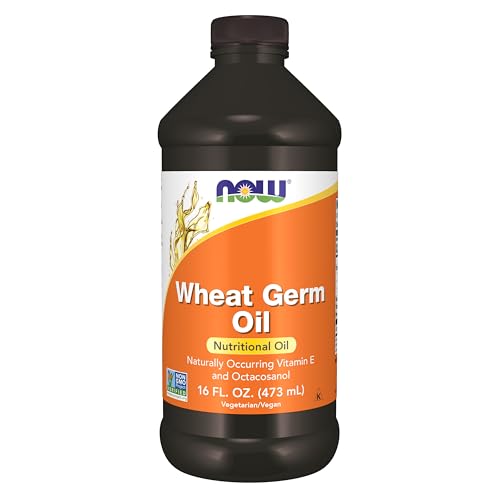
Supplemental forms of spermidine are most commonly derived from wheat germ extract and standardized to a defined spermidine content. Clinical trials have generally used doses in the range of 1–6 mg of spermidine per day. A 2022 review of nutraceutical strategies for upregulating autophagy discussed spermidine dosing in the context of its bioavailability and proposed mechanistic thresholds [1]. Individuals with wheat allergies should verify the source of any spermidine supplement and confirm it is appropriate for their specific allergy profile, since wheat-derived products are the most common delivery vehicle.
What the Evidence Actually Shows—and Where It Falls Short
Animal studies, particularly in yeast, flies, worms, and mice, have provided the most compelling evidence that spermidine extends lifespan and healthspan, primarily through autophagy-dependent mechanisms. These findings generated significant scientific excitement and drove the wave of human research that followed.
Human trials are more limited. Several small randomized controlled trials have examined spermidine supplementation in older adults, looking at endpoints such as cognitive performance, immune function, and cardiovascular biomarkers. Results have been generally positive and safety signals have been absent, but sample sizes are small, trial durations are typically under two years, and long-term human safety data beyond that window remains limited.
A 2024 review of natural autophagy activators acknowledged spermidine’s strong mechanistic rationale while noting that clinical translation of autophagy-based interventions in humans is still in early stages [3]. The honest summary is that spermidine is one of the best-studied dietary autophagy inducers, with a plausible and well-described mechanism, a favorable short-term safety profile, and promising but not yet definitive human evidence.
🛒 Where to Buy Spermidine
- Oxford Healthspan Primeadine OriginalLab-tested / studied
capsules, 1 mg spermidine per capsule, 3 capsules/day recommended — Standardized whole-food wheat germ concentrate; includes other natural polyamines; most-cited premium brand in longevity community; rigorous third-party testing - Double Wood Supplements Spermidine
capsules, 10 mg wheat germ extract (standardized to provide spermidine) per capsule — Budget-accessible entry point; clearly labeled wheat germ extract source; Double Wood is a reputable US brand with good COA transparency on Amazon - Renue By Science Spermidine
capsules, 10 mg wheat germ extract per capsule, 1-2 capsules/day — Longevity-focused brand known for NMN and NAD precursors; offers spermidine as part of a stack ecosystem; good option for existing Renue customers - Micro Ingredients Spermidine Supplement
capsules, 10 mg wheat germ extract per capsule — High-volume Amazon seller with strong review base; value pricing; suitable for users who want to trial spermidine without premium brand commitment
As an Amazon Associate we earn from qualifying purchases. Spermidine labels are easy to misread: the headline number is usually wheat germ extract weight, which can be several hundred times the spermidine inside it. Choose a product that states the milligrams of actual spermidine per serving along with the standardization percentage behind that figure, check the allergen disclosure if you avoid wheat, and with synthetic spermidine trihydrochloride confirm whether the stated milligrams refer to the salt or to the free base.
A Note on the Evidence
Most mechanistic evidence for spermidine comes from animal studies, and human clinical trials are small and short in duration—long-term safety and efficacy data beyond two years in humans remains limited. Individuals with wheat allergies should verify the source of any spermidine supplement, and anyone with a chronic health condition or taking medications should consult a qualified healthcare provider before adding any supplement to their routine. These statements have not been evaluated by the FDA; this product is not intended to diagnose, treat, cure, or prevent any disease.
Frequently Asked Questions
What exactly is spermidine?
Spermidine is a polyamine—a naturally occurring molecule synthesized in virtually all living cells and also consumed through food. It plays roles in DNA stabilization, protein synthesis, and, most relevantly to longevity research, the activation of autophagy. Its cellular concentrations decline with age, which researchers have proposed may contribute to age-related decreases in cellular housekeeping efficiency.
How does spermidine activate autophagy?
Spermidine is thought to inhibit specific acetyltransferase enzymes, which allows autophagy-promoting proteins to remain in an active state. This epigenetic mechanism is distinct from other autophagy inducers like caloric restriction or rapamycin. Reviews examining natural autophagy activators have described spermidine as one of the more mechanistically well-characterized dietary compounds in this category [3].
What foods are highest in spermidine?
Wheat germ is the most concentrated dietary source, followed by soybeans and fermented soy products, aged hard cheeses, mushrooms, green peas, and chickpeas. A varied diet that includes legumes, whole grains, and fermented foods will naturally deliver meaningful amounts of spermidine without supplementation.
Is spermidine safe to take as a supplement?
Short-term human trials using doses of 1–6 mg/day have not identified serious adverse effects. Spermidine supplementation is generally considered safe at dietary and low supplemental doses. However, long-term human safety data beyond approximately two years is limited, and individuals with wheat allergies should verify the source of any supplement before use, since wheat germ extract is the most common form.
Does spermidine help with muscle aging?
There is mechanistic and early experimental evidence suggesting that autophagy activation—which spermidine promotes—plays a role in maintaining skeletal muscle quality with age. A 2025 study found that promoting autophagic flux was associated with improvements in markers of muscle health in aged models [5]. Dedicated clinical trials in humans specifically examining spermidine and sarcopenia are still limited.
How does spermidine relate to mitochondrial health?
Spermidine supports mitophagy—the selective autophagy of damaged mitochondria—which is important for maintaining cellular energy production capacity as we age [6]. Reviews on small molecules and aging have identified spermidine among compounds with evidence for supporting mitochondrial function [4], and mitochondrial quality control has been linked to metabolic health across multiple organ systems [2]. Most of this evidence comes from preclinical models.
References
- McCarty MF et al. Nutraceutical and Dietary Strategies for Up-Regulating Macroautophagy. International journal of molecular sciences (2022). PMID 35216170
- Shin S et al. Mitochondrial Quality Control: Its Role in Metabolic Dysfunction-Associated Steatotic Liver Disease (MASLD). Journal of obesity & metabolic syndrome (2023). PMID 38049180
- Pavlova JA et al. Natural Activators of Autophagy. Biochemistry. Biokhimiia (2024). PMID 38467543
- Qin X et al. Enhancing healthy aging with small molecules: A mitochondrial perspective. Medicinal research reviews (2024). PMID 38483176
- Park SH et al. A Natural Autophagy Activator Castanea crenata Flower Alleviates Skeletal Muscle Ageing. Journal of cachexia, sarcopenia and muscle (2025). PMID 39873130
- Borsky P et al. Distinct roles of urolithin A and spermidine in mitophagy and autophagy: implications for dietary supplementation. Nutrition research reviews (2025). PMID 41404767
These statements have not been evaluated by the Food and Drug Administration. This information is not intended to diagnose, treat, cure, or prevent any disease. Content is for informational purposes only and is not medical advice; consult a qualified healthcare provider before starting any supplement. As an Amazon Associate we earn from qualifying purchases.
