Spermidine is often described as having antioxidant properties, but the research behind that label is more nuanced than a simple free-radical-scavenger story, and it’s worth understanding what has actually been shown.
This article is informational only and is not medical advice. These statements have not been evaluated by the FDA; this product is not intended to diagnose, treat, cure, or prevent any disease.
Two Distinct Antioxidant-Adjacent Mechanisms
The original 2009 longevity study reported that in ageing yeast, spermidine triggered deacetylation of histone H3 by inhibiting histone acetyltransferases, which suppressed oxidative stress and necrosis, and that enhanced autophagy was crucial for the longer lifespan in these model systems [1]. Separately, research in cultured human retinal pigment epithelial cells found that 10 micromolar spermidine suppressed damage from hydrogen peroxide by blocking calcium overload rather than by directly neutralizing reactive oxygen species [2]; this is a cell concentration, not a supplement dose [2], indicating spermidine can reduce the downstream damage caused by oxidative stress without necessarily acting as a classic chemical antioxidant in every context.
Why the Distinction Matters
Classic dietary antioxidants like vitamin C or vitamin E work primarily by directly donating electrons to neutralize free radicals. Spermidine’s research suggests a more indirect route in at least some tissues: reducing the cellular conditions (like calcium dysregulation) that amplify oxidative damage, and, through autophagy induction, clearing out the damaged, ROS-generating cellular components (like dysfunctional mitochondria) before they cause further harm. This is a more systemic form of oxidative stress management than direct radical scavenging.
Research note: In mice given the cancer drug trastuzumab, exogenous spermidine reduced heart oxidative stress and mitochondrial damage and protected heart function [5].

The Evidence Base
A review describes spermidine and spermine as free radical scavengers, a cell and enzyme-level mechanism that is not a supplement result [3]. Combined with the autophagy-mediated clearance mechanism and the calcium-signaling effect described above, spermidine’s antioxidant reputation rests on multiple, somewhat distinct lines of cell and animal evidence rather than a single, unified mechanism, and none of this has been directly validated with a human oxidative-stress biomarker trial.
Frequently Asked Questions
Is spermidine a direct free-radical scavenger like vitamin C?
Not primarily. While polyamines can chemically neutralize some reactive oxygen species in laboratory settings, research in human retinal cells found spermidine’s main protective effect against oxidative stress operated through calcium-signaling pathways rather than direct radical scavenging [2], a different mechanism than classic antioxidant vitamins.
How does autophagy relate to spermidine’s antioxidant reputation?
By clearing out damaged mitochondria and other cellular debris that would otherwise generate reactive oxygen species, autophagy induction (spermidine’s primary, best-established mechanism [1]) indirectly reduces the cell’s overall oxidative burden, functioning more like upstream damage prevention than downstream neutralization.
Has spermidine’s antioxidant effect been shown in human trials?
The antioxidant-related mechanisms described in the research literature come from cell culture and animal studies. No trial of spermidine alone is described in the evidence reviewed here that measured oxidative stress biomarkers. A small open-label pilot of a four-ingredient mixture that included spermidine reported less oxidative stress than in untreated patients, but that result cannot be credited to spermidine alone [4].
Recommended Spermidine Supplements
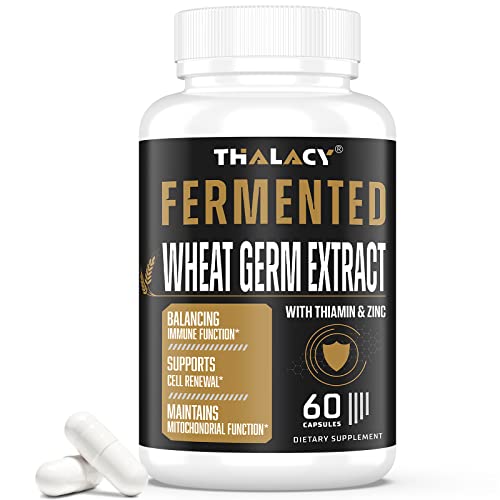
For readers deciding between specific products, two commonly available options are ProHealth Pure Spermidine 1 mg | 180 Capsules and OMRE Spermidine Supplement (10mg of Non-Synthetic Spermidine). As with any supplement, look for third-party testing and a clearly labeled spermidine or wheat germ extract content per serving before purchasing.


References
- Eisenberg T et al. Induction of autophagy by spermidine promotes longevity. Nature Cell Biology (2009). PMID 19801973
- Kim DH et al. Spermidine attenuates oxidative stress-induced apoptosis via blocking Ca2+ overload in retinal pigment epithelial cells independently of ROS. International Journal of Molecular Sciences (2021). PMID 33572992
- Battaglia V et al. Polyamine catabolism in carcinogenesis: potential targets for chemotherapy and chemoprevention. Amino acids (2014). PMID 23771789
- Tocci G et al. Effects of two-month treatment with a mixture of natural activators of autophagy on oxidative stress and arterial stiffness in patients with essential hypertension: A pilot study. Nutrition, metabolism, and cardiovascular diseases : NMCD (2023). PMID 37580230
- Yu X et al. Exogenous SPD inhibits trastuzumab-mediated cardiomyocyte pyroptosis through SIRT3-regulated mitochondrial quality control. International journal of biological sciences (2025). PMID 40612676
These statements have not been evaluated by the Food and Drug Administration. This information is not intended to diagnose, treat, cure, or prevent any disease. Content is for informational purposes only and is not medical advice; consult a qualified healthcare provider before starting any supplement. As an Amazon Associate we earn from qualifying purchases.