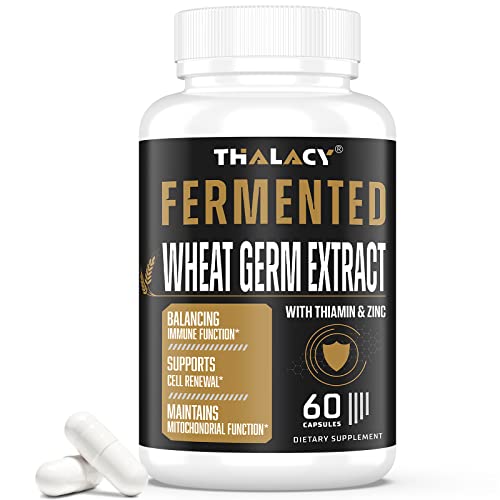
Spermidine is a naturally occurring polyamine found in wheat germ, aged cheese, soybeans, and other foods. Interest in supplemental spermidine has grown alongside research into its proposed role in supporting autophagy, the cellular recycling process that declines with age, though most human trials to date have been small and short-term. As the supplement market has expanded, buyers now face a practical choice: should they take spermidine as a loose powder or in pre-filled capsules?
This article does not make claims about health outcomes. It focuses on the mechanical and practical differences between the two delivery forms (dosing precision, convenience, palatability, cost, and shelf life) so you can make an informed purchasing decision. These statements have not been evaluated by the FDA; this product is not intended to diagnose, treat, cure, or prevent any disease. Nothing here constitutes medical advice.
Key Takeaways
- Powder offers dose flexibility and lower cost per milligram but requires a precision scale and careful moisture-controlled storage.
- Capsules provide consistent fixed doses, better odor containment, and simpler daily use at a modest price premium.
- Neither form has published human comparative bioavailability data; real-world absorption depends most on whether you take the supplement accurately and consistently.
- Sensory tolerance, particularly amine odor, is a practical reason many people prefer capsules over powder.
- Wheat-derived spermidine supplements in either form should be evaluated by individuals with wheat allergies for allergen removal; always request third-party certificates of analysis.
What Is Spermidine and Why Does the Delivery Form Matter?
Spermidine (C7H19N3) is a polyamine synthesized by cells throughout the body and obtained through diet. In mice, tissue spermidine fell with age in several organs, and spermidine falls in human T cells from older donors, but a whole-blood study of 78 people found the lowest spermidine in the 60 to 80 group, not the oldest, so a steady decline with age is not shown in human blood [2][7][1]. The primary proposed mechanism is autophagy induction, prompting cells to break down and recycle damaged components, though translating animal-model findings to meaningful human benefits is an active and still-open area of inquiry.[3]
Because spermidine is a highly water-soluble, hygroscopic compound with a distinctive odor at higher concentrations, the physical form of the supplement matters more than it might for an inert powder. How the compound is packaged affects everything from the accuracy of each dose to whether you can tolerate taking it daily. Understanding these trade-offs before you buy can prevent frustration and wasted product.
Spermidine Powder: Flexibility With Added Responsibility
Loose spermidine powder, typically wheat germ extract standardized to a declared percentage of spermidine, offers the most flexibility in dosing. Because you measure each serving yourself, you can in principle dial in an amount that suits your personal routine or a practitioner’s guidance. This is especially relevant because the pilot and SmartAge trials of wheat germ extract gave 1.2 mg and 0.9 mg of spermidine per day, an amount that is difficult to subdivide with capsules of a fixed size, although other trials used 15 mg and 40 mg per day [4][5][8][9].
Research note: In SmartAge, blood polyamine levels were not altered after 12 months of spermidine-rich wheat germ extract, as in the authors’ earlier phase 2a study, so a rise in blood spermidine was not shown for this low dose [5].
The practical downsides of powder are real. Spermidine and its precursors have an amine-like odor that some people find off-putting, particularly at higher concentrations. Mixing powder into a beverage or food may partially mask this, but it does not eliminate it. Accurate measurement at the milligram level also requires a precision scale capable of reading to 0.01 g or better; a standard kitchen spoon cannot reliably deliver a consistent dose of a compound dosed in single-digit milligrams. Hygroscopicity, the tendency to absorb moisture from the air, means that a bag left open in a humid environment can clump, degrade, or cake over time, shortening effective shelf life.
Whatever the form, the weight on a label is not the spermidine content: the EU specification for spermidine-rich wheat germ extract is 0,8-2,4 mg of spermidine per g of extract, and one analysed product labelled 169 mg of extract per capsule provided 5 mg of spermidine [12][13].
Powder format can also make it easier to adulterate or mislabel a product because there is no encapsulation step that imposes a second measurement checkpoint. When buying powder, third-party certificates of analysis confirming spermidine content and purity are especially important to request.

Spermidine Capsules: Convenience and Consistency
Pre-filled capsules address most of the handling challenges of powder. Each capsule contains a fixed, manufacturer-measured dose, eliminating the need for a precision scale in your daily routine. The capsule shell, whether gelatin or vegetarian cellulose, acts as a moisture and odor barrier, making the product easier to store, travel with, and take without noticing the characteristic amine scent. For most people, this translates directly to better daily adherence, which matters when the point is to take a supplement consistently over weeks or months.
The main limitation of capsules is reduced dose flexibility. If a capsule contains 5 mg of spermidine and you want 3 mg, you either split the capsule (losing the convenience and potentially the moisture protection) or accept the fixed amount. Some manufacturers offer capsules at different strengths to partially address this, but the range is typically narrower than what powder allows. Capsules also add a small amount of material cost, which can make them modestly more expensive per milligram of active ingredient than the equivalent bulk powder.
Capsule fill integrity is worth checking. A reputable manufacturer will disclose the filler or excipient used (commonly rice flour or microcrystalline cellulose) and confirm that the capsule shell is appropriate for individuals with dietary restrictions: for example, gelatin capsules are not suitable for vegans. Because spermidine supplements sourced from wheat germ technically contain wheat-derived material, individuals with wheat allergies should verify whether the extraction and purification process removes allergenic proteins to a safe level, regardless of delivery form.
Bioavailability: Does Form Affect Absorption?
No human interventional study has measured a rise in blood spermidine after oral supplementation, so the fraction absorbed from either form is unknown; short-term supplementation often raises spermine instead. For that reason, powder dissolved in liquid versus a capsule has not been shown to matter either way [10][11][9].
That said, the practical bioavailability of any supplement is only as good as the dose actually consumed. A powder that clumps due to poor storage, or that a person skips because of the taste, delivers zero bioavailability on that day. From this perspective, whichever form you will take reliably and measure accurately is the one with the better real-world absorption profile for you specifically. No published human comparative bioavailability data between powder and capsule spermidine formulations is available at the time of writing.
Taste, Odor, and Daily Palatability
One of the most common reasons people switch delivery forms is sensory tolerance. Spermidine in its purified form carries a faint to moderate fishy or amine-like odor at concentrations used in supplements. This is a chemical property of polyamines as a class and is not unique to spermidine. Wheat germ extract formulations, which contain spermidine alongside other compounds, may have a more muted, grain-like odor depending on the extraction quality.
Powder mixed into a smoothie, yogurt, or strongly flavored juice can largely mask the odor for most people. Those who are particularly sensitive to smell or who take the supplement on an empty stomach with water are more likely to notice it. Capsules nearly eliminate this issue by enclosing the compound until it reaches the stomach, where odor perception is bypassed. If you have tried a spermidine powder and discontinued it for sensory reasons, capsules are a straightforward solution worth trying before abandoning the category altogether.
Cost, Storage, and Practical Long-Term Use
Bulk powder typically costs less per milligram of active ingredient than capsules because no encapsulation labor, materials, or equipment is factored into the price. For buyers who are precise with a milligram-accurate scale and diligent about airtight, moisture-resistant storage, powder can represent meaningful cost savings over months of use. However, if poor storage leads to product degradation or if dosing errors mean consuming more than intended, the nominal cost advantage erodes.
Capsules trade a slightly higher per-dose cost for predictability. They are generally stored in a cool, dry location away from direct sunlight, the same conditions as powder, but the sealed capsule provides an additional layer of protection against ambient humidity between uses. For travel, capsules are straightforwardly portable in a pill organizer or the original bottle; powder requires carrying a container and a scale, or pre-measuring doses into small sealed packets in advance.
Human safety data for supplemental spermidine are limited: the longest trial described here, SmartAge, lasted 12 months.[5] Both delivery forms carry the same underlying safety profile because the active compound is identical; form does not change the substance. Individuals who are pregnant, nursing, immunocompromised, or managing chronic illness should consult a healthcare provider before adding any new supplement, regardless of format.
🛒 Where to Buy Spermidine
- Oxford Healthspan Primeadine Original
capsules, 1 mg spermidine per capsule, 3 capsules/day recommended: Whole-food wheat germ concentrate; includes other natural polyamines; most-cited premium brand in longevity community; batches independently tested by third-party labs per the brand. - Double Wood Supplements Spermidine
capsules, 10 mg wheat germ extract (standardized to provide spermidine) per capsule: Budget-accessible entry point; clearly labeled wheat germ extract source; Double Wood is a reputable US brand with good COA transparency. - Renue By Science Spermidine
capsules, 10 mg wheat germ extract per capsule, 1-2 capsules/day: Longevity-focused brand known for NMN and NAD precursors; offers spermidine as part of a stack ecosystem; good option for existing Renue customers
As an Amazon Associate we earn from qualifying purchases. Spermidine labels are easy to misread: the headline number is usually wheat germ extract weight, which can be several hundred times the spermidine inside it. Choose a product that states the milligrams of actual spermidine per serving along with the standardization percentage behind that figure, check the allergen disclosure if you avoid wheat, and with synthetic spermidine trihydrochloride confirm whether the stated milligrams refer to the salt or to the free base.
A Note on the Evidence
Human research on supplemental spermidine remains limited in scale and duration, with most trials involving small numbers of participants over periods shorter than two years; long-term safety and efficacy in diverse populations have not been established.[6] Individuals who are pregnant, nursing, immunocompromised, managing chronic conditions, or taking medications should speak with a qualified healthcare provider before adding spermidine in any form to their routine.

Frequently Asked Questions
Is spermidine powder absorbed differently than capsules?
No human interventional study has measured a rise in blood spermidine after oral supplementation, so absorption from either form is not established. Both powder dissolved in liquid and a capsule are expected to deliver the compound to the same site in the gut. No published head-to-head human bioavailability comparison between the two forms currently exists [10].
Why does spermidine powder have a strange smell?
Polyamines as a chemical class carry amine-like or faintly fishy odors. This is a normal property of the compound, not a sign of spoilage. Wheat germ extract formulations may have a milder grain note depending on processing. Mixing powder with strongly flavored food or drink typically masks it; capsules largely eliminate the sensory issue by bypassing the nose.
Can I open a spermidine capsule to use the powder inside?
Mechanically, yes, but doing so defeats most of the convenience and odor-containment advantages of the capsule. You would also then need a precision scale to subdivide the dose, which reintroduces the main challenge of powder format. If you need a dose smaller than a capsule contains, purchasing a lower-strength capsule or a standardized powder product is a more practical approach.
How should spermidine supplements be stored?
Both powder and capsule forms should be stored in a cool, dry location away from direct sunlight and humidity. Spermidine is hygroscopic, it absorbs moisture, so an airtight container is important for powder especially. Do not store either form in a bathroom medicine cabinet where heat and steam are common.
Is spermidine from wheat germ safe for people with gluten intolerance or wheat allergy?
This depends on the specific product and the extent of purification during manufacturing. Spermidine itself is not a gluten protein, but wheat germ extract may retain trace wheat proteins unless thoroughly purified. Individuals with celiac disease or wheat allergy should request allergen testing data from the manufacturer before using any wheat-germ-derived supplement in either form. Some products use synthetically produced or non-wheat-derived spermidine, which would not carry this concern.
What dose of spermidine is typically used in research?
Wheat germ extract trials gave 1.2 mg (pilot) and 0.9 mg (SmartAge) of spermidine per day, while other trials used 15 mg and 40 mg per day. Dietary intake is said to vary from 7 to 25 mg per day in one secondary account, so a typical supplement may deliver far less than food does [4][5][8][9][10]. No universally established optimal supplemental dose exists; the research is still early and most trials have been small. Consult a healthcare provider to discuss what, if any, amount makes sense for your individual situation.
References
- Pucciarelli S, et al. Spermidine and spermine are enriched in whole blood of nona/centenarians. Rejuvenation Research (2012). Whole-blood polyamines across three age groups: total polyamine content was significantly lower in the older groups, with 60 to 80 year olds showing the lowest spermidine and spermine. The decline is not uniform, since nona/centenarians carried a higher relative share of spermine. PMID 22950434
- Nishimura K, et al. Decrease in polyamines with aging and their ingestion from food and drink. Journal of Biochemistry (2006). Spermidine fell significantly with age in most mouse tissues but was maintained in pancreas, brain and uterus, so the decline is tissue-specific. The same paper surveys polyamine-rich foods, listing wheat germ, rice bran, soybean, natto and mushrooms. PMID 16428322
- Eisenberg T, et al. Induction of autophagy by spermidine promotes longevity. Nature Cell Biology (2009). Spermidine extended lifespan in yeast, flies, worms and cultured human immune cells, acting through inhibition of histone acetyltransferases and upregulation of autophagy-related transcripts; blocking autophagy abolished the effect. Not a mammalian lifespan study. PMID 19801973
- Schwarz C, et al. Safety and tolerability of spermidine supplementation in mice and older adults with subjective cognitive decline. Aging (Albany NY) (2018). A 28-day repeated-dose study in mice plus a 3-month randomized placebo-controlled trial in 30 adults at 1.2 mg/day of spermidine-rich wheat germ extract; no differences in vital signs, clinical chemistry or haematology, and compliance above 85%. PMID 29315079
- Schwarz C, et al. Effects of spermidine supplementation on cognition and biomarkers in older adults with subjective cognitive decline (SmartAge): a randomized clinical trial. JAMA Network Open (2022). The larger and longer follow-up: 100 participants, 12 months, 0.9 mg/day of wheat germ extract. It found no significant effect on the primary memory outcome or on secondary outcomes. PMID 35616942
- Wirth M, et al. The effect of spermidine on memory performance in older adults at risk for dementia: a randomized controlled trial. Cortex (2018). Phase IIa pilot, 30 participants aged 60 to 80, three months; memory was moderately improved versus placebo, with confidence intervals wide enough that the authors framed it as a pilot signal requiring validation. PMID 30388439
- Ghada Alsaleh et al. Autophagy in T cells from aged donors is maintained by spermidine and correlates with function and vaccine responses. eLife (2020). PMID 33317695
- Stefan Senekowitsch et al. High-Dose Spermidine Supplementation Does Not Increase Spermidine Levels in Blood Plasma and Saliva of Healthy Adults: A Randomized Placebo-Controlled Pharmacokinetic and Metabolomic Study. Nutrients (2023). PMID 37111071
- Keohane P et al. Supplementation of spermidine at 40 mg/day has minimal effects on circulating polyamines: An exploratory double-blind randomized controlled trial in older men. Nutrition research (New York, N.Y.) (2024). PMID 39405978
- Thorup CV et al. POLYamine treatment in elderly patients with Coronary Artery Disease (POLYCAD): study protocol for a Danish randomised, double-blind, placebo-controlled trial of spermidine treatment versus placebo. Trials (2025). PMID 41168834
- Uemura T et al. Polyamine metabolism as a regulator of cellular and organismal aging. Amino acids (2026). PMID 41617890
- European Commission (Official Journal of the EU) Commission Implementing Regulation (EU) 2020/443: specifications of the novel food spermidine-rich wheat germ extract (Triticum aestivum). European Commission (Official Journal of the EU) (2020). source
- Philipp Steichen et al. Spermidine content of selected dietary supplements: potential for improvement?. Functional Foods in Health and Disease (2023). doi:10.31989/ffhd.v13i5.1102
These statements have not been evaluated by the Food and Drug Administration. This information is not intended to diagnose, treat, cure, or prevent any disease. Content is for informational purposes only and is not medical advice; consult a qualified healthcare provider before starting any supplement. As an Amazon Associate we earn from qualifying purchases.