Spermidine is a polyamine compound your body produces naturally, and it is also present in a wide range of everyday foods. Levels in the body decline with age, prompting researchers to investigate whether restoring them through diet or supplementation might support the cellular maintenance processes that also slow down as we get older.
The primary proposed mechanism is autophagy, the process by which cells break down and recycle damaged components. Research published in 2025 has examined how spermidine influences both autophagy and the more targeted form called mitophagy, which clears dysfunctional mitochondria [1]. Understanding which foods deliver the most spermidine is a practical first step for anyone exploring this area.
Key Takeaways
- Wheat germ is among the richest spermidine food sources and can be added [2][3] to cereals, smoothies, or baked goods.
- Soybeans and fermented soybean products are among the foods highest in spermidine and spermine, with wide variation within individual food items [4].
- Aged cheeses, organ meats, legumes, and mushrooms round out a spermidine-rich diet without relying on any single food.
- Spermidine’s proposed health benefits center on inducing autophagy and mitophagy, cellular recycling processes that decline with age [1], though robust long-term human evidence is still developing.
- People with wheat allergies should avoid wheat germ sources and prioritize legume and fermented soy alternatives instead.
What Is Spermidine and Why Does Dietary Intake Matter?
Spermidine belongs to a family of small molecules called polyamines, which include putrescine and spermine. Cells use polyamines to regulate gene expression, stabilize DNA, and coordinate the autophagy pathway. Because the body’s own levels are not shown to fall steadily with age in people: in whole blood from 78 people, spermidine was lowest at ages 60 to 80 but not in the oldest group. Whether dietary intake matters more with age has not been tested [5].
Research into spermidine has focused heavily on its role in triggering autophagy and mitophagy. A 2025 review in Nutrition Research Reviews noted that spermidine and urolithin A operate through distinct but partially overlapping mechanisms within these recycling pathways, with spermidine acting on autophagy induction at an upstream regulatory level [1]. This mechanistic work in cell and animal models provides the rationale for examining whether food-based spermidine can meaningfully support these processes in humans, though direct clinical evidence in humans remains limited.
A secondary account says average daily dietary intake of spermidine varies from 7 to 25 mg, and such estimates come from food questionnaires. Human trials of wheat germ extract gave 0.9 mg and 1.2 mg of spermidine per day, the latter alongside spermine and putrescine [3][6][7].
Wheat Germ: The Highest Known Dietary Source
A review of food tables lists wheat germ at about 2,437 nmol per gram, ahead of soybeans at about 1,425 nmol per gram, though the weight basis is not stated. Other analyses name soybeans, tea leaves and mushrooms as conspicuously rich in spermidine [2][8]. Just a small serving of raw or lightly processed wheat germ can contribute a meaningful amount toward daily polyamine intake.
Research note: In a community cohort, higher estimated dietary spermidine intake from food-frequency questionnaires was linked to lower all-cause death (HR 0.76 after full adjustment); this is an association with food intake, not a supplement effect [12].
Wheat germ is also rich in vitamin E, folate, and zinc, which adds to its general nutritional appeal. Because it is derived from wheat, individuals with wheat allergies or celiac disease should avoid wheat germ spermidine sources and seek alternatives. Wheat germ oil is the pressed lipid fraction of the germ and is not a meaningful spermidine source: spermidine is water-soluble and stays behind in the defatted germ, which is what standardized wheat germ extracts are made from.

Fermented Soy Products: Natto and Aged Soy Foods
Natto, a traditional Japanese food made from fermented soybeans, is one of the richest plant-based sources of spermidine outside of wheat germ. Soybeans and fermented soybean products are among the richest foods in spermidine, but in a small Japanese study two months of daily natto raised blood spermine and not blood spermidine [4][9]. Natto has a strong flavor and sticky texture that limits its appeal for some people, but it delivers spermidine alongside vitamin K2, protein, and probiotics.
Whole soybeans and other soy products including miso and tempeh contain moderate amounts of spermidine. Values vary within foods, and a review says information on how processing and storage change polyamine contents is fragmentary and inconsistent [4]. For those following a plant-based diet, fermented soy foods represent a practical high-concentration source.
Aged Cheeses and Other Animal-Derived Sources
A review of food data says spermidine and spermine are highest in inner organs and meat of warm-blooded animals. In analysed Swedish dairy products, matured cheese had about 1.2 mg/kg spermidine, and the authors noted cheese content varied considerably between studies [4][10].
Chicken liver and other organ meats contain notable spermidine compared to muscle meats. Whole grains and legumes consumed as part of a varied diet also contribute, though at lower concentrations per gram than wheat germ or natto. Shellfish, particularly oysters and scallops, provide polyamines including spermidine and spermine at moderate levels.
Plant Foods: Legumes, Mushrooms, and Vegetables
Green peas and chickpeas are among the legumes with the highest polyamine content, with spermidine representing a significant portion. Dried lentils and black beans also contribute to dietary intake. Because legumes are widely consumed in large portions, they may represent a more practically significant population-level source than wheat germ, which is typically eaten in smaller amounts.
Mushrooms, particularly dried or cooked varieties such as shiitake and portobello, contain spermidine at concentrations that place them among the more useful vegetable sources. Broccoli, cauliflower, and other cruciferous vegetables provide moderate amounts. Corn and other whole grains contribute to overall polyamine intake, though at lower concentrations than the top-ranked sources. The diversity of plant foods collectively matters: a diet rich in whole grains, legumes, mushrooms, and vegetables is likely to provide substantially more spermidine than one centered on refined foods.
Durian, a tropical fruit, has been identified in some analyses as containing unusually high spermidine concentrations for a fruit, though it is not widely available in most Western markets. Mangoes and other fruits generally provide lower amounts.
How Spermidine From Food Compares to Supplementation
Dietary spermidine arrives alongside fiber, protein, fats, and other bioactive compounds that may influence how it is absorbed and metabolized. Gut bacteria also synthesize polyamines from dietary precursors, meaning the gut microbiome plays a role in overall spermidine availability that is independent of direct food content. A diet supportive of microbiome diversity may therefore enhance endogenous polyamine production beyond what food content tables alone would suggest.
Spermidine from wheat germ extract has been studied in human trials at 0.9 mg per day for 12 months and 1.2 mg per day for 3 months, far less than the dietary intake a secondary account estimates [3][6][11][7]. Research examining the distinct roles of food-derived versus supplemental spermidine in activating autophagy and mitophagy pathways in humans is still at an early stage [1]. Whether concentrated supplemental doses confer advantages over high-spermidine dietary patterns has not yet been established in large controlled trials.
For most adults without specific dietary restrictions, a practical strategy is to increase consumption of wheat germ, natto, aged cheese, legumes, and mushrooms before considering supplementation. These foods also deliver a broader nutritional profile that isolated supplements cannot replicate.
Food content does not guarantee a higher blood level. In a small non-randomised study of healthy Japanese men, eating a mean of 66.4 g of natto a day for two months raised blood spermine, but blood spermidine did not change on average. The authors of a trial protocol also state that no human interventional study has measured a rise in plasma spermidine [9][3].
🛒 Where to Buy Spermidine
- Oxford Healthspan Primeadine Original
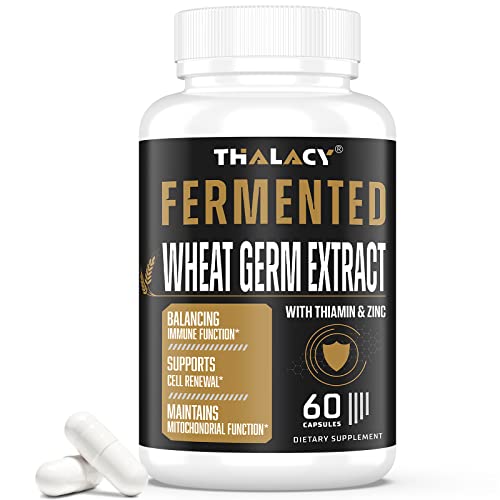
capsules, 1 mg spermidine per capsule, 3 capsules/day recommended: Whole-food wheat germ concentrate; includes other natural polyamines; most-cited premium brand in longevity community; batches independently tested by third-party labs per the brand. - Double Wood Supplements Spermidine
capsules, 10 mg wheat germ extract (standardized to provide spermidine) per capsule: Budget-accessible entry point; clearly labeled wheat germ extract source; Double Wood is a reputable US brand with good COA transparency. - Renue By Science Spermidine
capsules, 10 mg wheat germ extract per capsule, 1-2 capsules/day: Longevity-focused brand known for NMN and NAD precursors; offers spermidine as part of a stack ecosystem; good option for existing Renue customers
As an Amazon Associate we earn from qualifying purchases. Spermidine labels are easy to misread: the headline number is usually wheat germ extract weight, which can be several hundred times the spermidine inside it. Choose a product that states the milligrams of actual spermidine per serving along with the standardization percentage behind that figure, check the allergen disclosure if you avoid wheat, and with synthetic spermidine trihydrochloride confirm whether the stated milligrams refer to the salt or to the free base.
A Note on the Evidence
The evidence supporting spermidine’s role in human health is promising but remains largely based on animal models and small short-term trials; long-term safety and efficacy in humans beyond two years has not been established. Individuals with wheat allergies, those who are pregnant or nursing, or anyone managing a chronic condition should consult a qualified healthcare provider before making significant dietary changes or adding spermidine supplements. These statements have not been evaluated by the FDA; this content is not intended to diagnose, treat, cure, or prevent any disease.

Frequently Asked Questions
Which single food has the highest concentration of spermidine?
Wheat germ is among the richest food sources in published food tables, listed at about 2,437 nmol per gram ahead of soybeans at about 1,425 nmol per gram, with the weight basis not stated [2]. It can be found in natural food stores and is easily incorporated into existing meals as a topping or ingredient. Individuals with wheat allergies must avoid it and should use natto or legumes as alternatives.
Does cooking destroy spermidine in food?
A review says information on how processing and storage change polyamine contents is still fragmentary and inconsistent, so food values are uncertain after cooking or storage [4].
How does spermidine support cellular health?
Spermidine is proposed to induce autophagy, the process by which cells dismantle and recycle damaged proteins and organelles, as well as mitophagy, which specifically targets worn-out mitochondria for clearance. A 2025 review noted that spermidine and urolithin A act through distinct mechanisms within these recycling pathways [1]. Most mechanistic evidence comes from cell culture and animal studies, and direct confirmation in large human trials is still limited.
How much spermidine can I realistically get from food each day?
A secondary account says average daily dietary intake of spermidine varies from 7 to 25 mg, and such estimates come from food questionnaires. Trials of wheat germ extract delivered 0.9 mg and 1.2 mg of spermidine per day [3][6][7].
Is spermidine safe to consume from food and supplements?
Spermidine from food has been consumed across cultures for centuries without identified safety concerns at normal dietary levels. In the 12-month SmartAge trial of wheat germ extract at 0.9 mg of spermidine per day, adverse events were balanced between extract and placebo, and in the 3-month pilot one serious adverse event occurred on each arm, neither rated related to treatment. Long-term human safety data remain limited, [6][7] and individuals with wheat allergies should verify the source of any supplement they consider.
Do fermented foods have more spermidine than their unfermented equivalents?
Not reliably shown. A review says spermidine and spermine are highest in soybean and fermented soybean products and some mushroom species, with wide variation within individual food items, and cheese content varied considerably between studies. In a small study, two months of daily natto raised blood spermine and not blood spermidine [4][10][9].
References
- Borsky P et al. Distinct roles of urolithin A and spermidine in mitophagy and autophagy: implications for dietary supplementation. Nutrition research reviews (2025). PMID 41404767
- Nelly Muñoz‐Esparza et al. Polyamines in Food. Frontiers in Nutrition (2019). PMID 31355206
- Thorup CV et al. POLYamine treatment in elderly patients with Coronary Artery Disease (POLYCAD): study protocol for a Danish randomised, double-blind, placebo-controlled trial of spermidine treatment versus placebo. Trials (2025). PMID 41168834
- Kalač P Health effects and occurrence of dietary polyamines: a review for the period 2005-mid 2013. Food chemistry (2014). PMID 24837918
- Stefania Pucciarelli et al. Spermidine and Spermine Are Enriched in Whole Blood of Nona/Centenarians. Rejuvenation Research (2012). PMID 22950434
- Claudia Schwarz et al. Effects of Spermidine Supplementation on Cognition and Biomarkers in Older Adults With Subjective Cognitive Decline. JAMA Network Open (2022). PMID 35616942
- Claudia Schwarz et al. Safety and tolerability of spermidine supplementation in mice and older adults with subjective cognitive decline. Aging (2018). PMID 29315079
- Akiko Okamoto et al. Polyamine Content of Ordinary Foodstuffs and Various Fermented Foods. Bioscience Biotechnology and Biochemistry (1997). PMID 9339564
- Soda K et al. Long-term oral polyamine intake increases blood polyamine concentrations. Journal of nutritional science and vitaminology (2009). PMID 19763038
- Mohamed Atiya Ali et al. Polyamines in foods: development of a food database. Food & Nutrition Research (2011). PMID 21249159
- Wirth M et al. The effect of spermidine on memory performance in older adults at risk for dementia: A randomized controlled trial. Cortex; a journal devoted to the study of the nervous system and behavior (2018). PMID 30388439
- Kiechl S et al. Higher spermidine intake is linked to lower mortality: a prospective population-based study. The American journal of clinical nutrition (2018). PMID 29955838
These statements have not been evaluated by the Food and Drug Administration. This information is not intended to diagnose, treat, cure, or prevent any disease. Content is for informational purposes only and is not medical advice; consult a qualified healthcare provider before starting any supplement. As an Amazon Associate we earn from qualifying purchases.