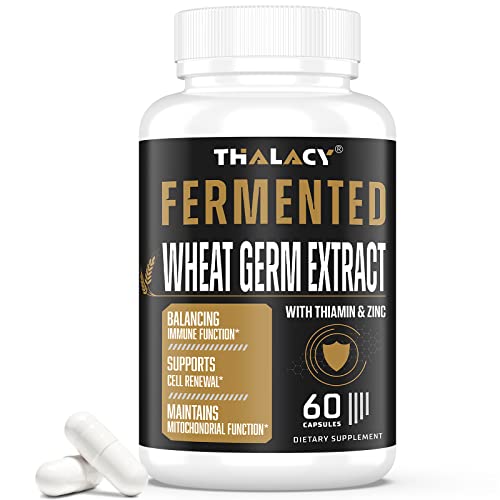
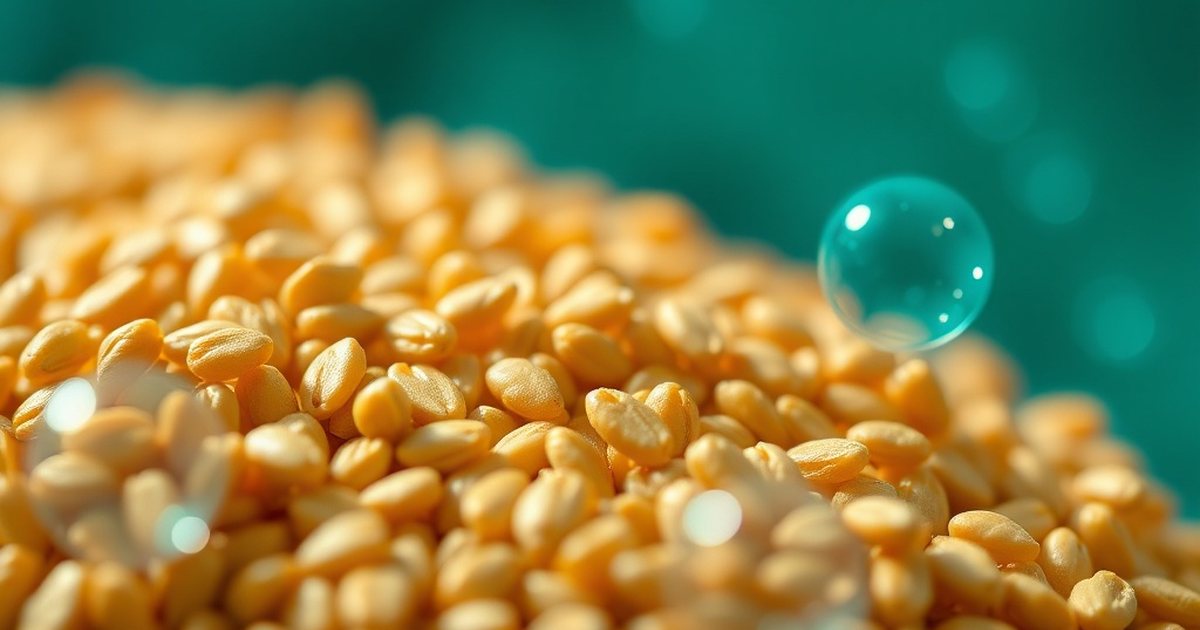
Spermidine is a naturally occurring polyamine found in wheat germ, soybeans, aged cheese, and other foods. Levels of this compound decline steadily with age, and that decline has drawn sustained attention from researchers interested in healthy aging. One of the most studied ways spermidine may act in the body is by inducing autophagy: the cellular housekeeping process by which damaged components are identified, tagged, and recycled. When that process is directed specifically at worn-out mitochondria, it is called mitophagy, and it plays a central role in keeping the cell’s energy-production machinery running cleanly.
Mitochondria are the organelles responsible for generating the bulk of a cell’s ATP, but they are also particularly vulnerable to oxidative damage over time. As dysfunctional mitochondria accumulate, energy output declines and inflammatory signaling can increase: a pattern researchers associate with aging and a range of age-related conditions. Emerging evidence from animal and cell studies suggests that spermidine, by promoting mitochondrial quality control, may help maintain cellular energy capacity; the human evidence on this is limited [2][1][15]. What follows is an honest summary of what that evidence currently shows, where it is strong, and where significant questions remain.
Key Takeaways
- Spermidine is a naturally occurring polyamine that declines with age; dietary sources include wheat germ, soybeans, and aged cheese.
- It may support mitochondrial health primarily by inducing autophagy and its mitochondria-specific form, mitophagy, helping clear damaged organelles that impair cellular energy production.
- Studies in mice, rats and cells report that spermidine can improve mitochondrial quality control [1][2][3][12] in cardiac, neuronal, and reproductive tissues under stress or aging conditions [1][2][3].
- A study combining mouse, fly and prospective human data found dietary spermidine improved cognitive measures in animal models and reported an observational association between higher dietary intake and lower cognitive impairment risk in humans, with mitochondrial and autophagic function proposed as a mechanism; food-questionnaire associations of this kind cannot show that supplements work [13][14][4].
- Most evidence remains from animal models; long-term human safety and efficacy data are limited, and spermidine is not a treatment for any disease.
Spermidine: A Polyamine With a Role in Cellular Maintenance
Polyamines are small, positively charged molecules that interact with nucleic acids, proteins, and membranes throughout the cell. Spermidine is one of the principal polyamines in human tissue. A 2018 review in Science described spermidine as a compound with broad effects on cellular health, including the ability to induce autophagy in a manner that correlates with extended healthspan in multiple animal models [5]. Spermidine fell with age in human T cells studied in culture and in several mouse tissues, although a whole-blood study in 78 people found the lowest levels at ages 60 to 80 rather than in the oldest group [16][17][18].
Dietary sources (particularly wheat germ, mature soybeans, mushrooms, and aged cheeses) can meaningfully influence spermidine intake. Supplemental forms are also available. The wheat germ extract trials delivered about 0.9 to 1.2 mg of spermidine per day, a bread roll trial gave 3.3 mg per roll, and one trial of synthetic spermidine trihydrochloride used 40 mg per day [19][20][21][22]. Understanding why spermidine might matter for energy requires a closer look at what happens inside the mitochondria when quality control breaks down.
Why Mitochondrial Quality Control Is Central to Energy Production
Mitochondria do not simply produce ATP and sit still. They constantly fuse, divide, move within the cell, and are selectively destroyed when damaged beyond repair. This suite of processes (fusion, fission, biogenesis, and mitophagy) is collectively called mitochondrial quality control (MQC). A 2020 review in the Korean Circulation Journal emphasized that failure of MQC is closely linked to energy deficits and cell death in cardiac tissue, and that restoring MQC represents a promising therapeutic target in cardiovascular disease [6].
Research note: Review article: autophagy induction by spermidine needs micromolar concentrations and several hours of exposure, whereas the mitochondrial effects occur within an hour at nanomolar concentrations (in cells). The authors say the dominant mechanism in vivo remains unclear [25].

A 2024 review in Medicinal Research Reviews reinforced this picture more broadly, noting that maintaining mitochondrial function is one of the central challenges in aging and that small molecules capable of enhancing mitochondrial quality control are of significant interest for healthy aging strategies [7]. When dysfunctional mitochondria are not cleared efficiently, they continue to consume cellular resources, generate excess reactive oxygen species, and signal pro-inflammatory pathways: all of which further degrade energy metabolism over time.
Mitophagy: The Selective Autophagy That Removes Worn-Out Mitochondria
Mitophagy is the targeted degradation of damaged mitochondria through the autophagy pathway. One well-characterized route involves the kinase PINK1, which accumulates on the outer membrane of depolarized mitochondria and recruits the ubiquitin ligase Parkin to tag the organelle for disposal. Research published in Redox Biology in 2024 demonstrated that PINK1-mediated mitophagy is essential for maintaining cellular function in bone-remodeling tissue, and that impaired mitophagy leads to excess oxidative damage [8]. While that particular study focused on osteoclasts, the underlying PINK1/Parkin pathway operates across many cell types and illustrates the broad importance of clean mitochondrial turnover.
When mitophagy is insufficient, the cell accumulates mitochondria that are structurally impaired: swollen, with disrupted cristae and reduced membrane potential. These organelles cannot generate ATP efficiently and instead become sources of reactive oxygen species that damage surrounding proteins and lipids. Promoting mitophagy is therefore not merely housekeeping; it is directly tied to sustaining the cell’s capacity for aerobic energy production.
How Spermidine Supports Mitochondrial Quality Control
Several lines of preclinical evidence point to spermidine as a compound capable of improving MQC in stressed or aging cells. A 2022 study in the Iranian Journal of Pharmaceutical Research examined rat offspring exposed to intrauterine hypoxia: a model of oxygen deprivation during development. Spermidine treatment attenuated myocardial mitochondrial damage by reducing oxidative stress and favorably modulating mitochondrial quality control markers, suggesting the compound helped preserve normal mitochondrial architecture under physiological stress [1].
More recent work published in Phytomedicine in 2026 investigated spermidine in a model of sepsis-induced cardiomyopathy, a condition characterized by rapid and severe mitochondrial dysfunction. Spermidine improved both mitochondrial quality and quantity through a Metallothionein 1-dependent antioxidant pathway, reducing cell death and preserving cardiac function in treated animals [2]. A 2022 proteomics study in Frontiers in Cell and Developmental Biology also found that polyamine treatment in aged cardiac tissue shifted the mitochondrial protein profile in ways consistent with enhanced biogenesis and reduced oxidative damage [9].
A particularly mechanistic piece of evidence comes from a 2021 paper in Autophagy showing that spermidine induces hypusination, a post-translational modification of the translation factor eIF5A, and that this modification is required for autophagy gene expression and mitochondrial preservation. In aged mice given spermidine in drinking water, hypusination rose in the hippocampus and only aged male, not female, mice did significantly better in a spatial learning test, which is a mouse finding and not a demonstrated link in people [10].
Brain Energy, Cognition, and Spermidine
Neurons are among the most metabolically demanding cells in the body, and their energy supply depends heavily on mitochondrial function. The same 2021 Autophagy study found that spermidine preserved mitochondrial function in aged mouse neurons alongside improvements in memory and learning, mediated through the autophagy-hypusination axis [10]. A parallel 2021 paper in Cell Reports reported that dietary spermidine improved spatial learning and mitochondrial function in aged mice, and that higher dietary spermidine intake was linked to a reduced risk of cognitive impairment in humans in prospective data, with the authors proposing that maintenance of mitochondrial and autophagic function contributes to the benefit [4].
Human blood and brain findings do not all point the same way. In a German cohort of 659 adults, higher plasma spermidine was linked to lower hippocampal volume and a higher Alzheimer’s disease score, and studies of dietary spermidine intake and brain structure disagree [23][14].
The relationship between polyamines and neurological health is not entirely straightforward. A 2023 review in the Annual Review of Biochemistry discussed the complex role of polyamines in Parkinson’s disease, noting that while spermidine may be neuroprotective through autophagy induction in some models, the interaction between polyamine metabolism and neurotoxicity in neurodegenerative disease is still being actively studied [11]. This underlines the importance of viewing current evidence as preliminary rather than established.
Reproductive Cells and Other Emerging Areas
Mitochondria are also critical for reproductive cell function, and spermidine’s role here has received recent scientific attention. A 2023 study in Nature Aging demonstrated that spermidine supplementation rejuvenated oocyte quality in aging female mice by enhancing mitophagy: specifically improving the clearance of damaged mitochondria that accumulate during reproductive aging. The result was improved oocyte developmental competence, pointing to mitophagy as a key factor in reproductive cell energy management [3].
A 2026 study in the Journal of Agricultural and Food Chemistry extended this picture to male reproductive tissue, finding that chronic toxic stress impaired mitochondrial quality control in Sertoli cells through an NBR1-regulated pathway, and that spermidine administration ameliorated this damage [12]. Both studies are in animal models and require replication in humans, but they illustrate that spermidine’s influence on mitochondrial quality control may extend across many tissue types where sustained energy production is essential.
🛒 Where to Buy Spermidine
- Oxford Healthspan Primeadine Original
capsules, 1 mg spermidine per capsule, 3 capsules/day recommended: Whole-food wheat germ concentrate; includes other natural polyamines; most-cited premium brand in longevity community; batches independently tested by third-party labs per the brand. - Double Wood Supplements Spermidine
capsules, 10 mg wheat germ extract (standardized to provide spermidine) per capsule: Budget-accessible entry point; clearly labeled wheat germ extract source; Double Wood is a reputable US brand with good COA transparency. - Renue By Science Spermidine
capsules, 10 mg wheat germ extract per capsule, 1-2 capsules/day: Longevity-focused brand known for NMN and NAD precursors; offers spermidine as part of a stack ecosystem; good option for existing Renue customers
As an Amazon Associate we earn from qualifying purchases. Spermidine labels are easy to misread: the headline number is usually wheat germ extract weight, which can be several hundred times the spermidine inside it. Choose a product that states the milligrams of actual spermidine per serving along with the standardization percentage behind that figure, check the allergen disclosure if you avoid wheat, and with synthetic spermidine trihydrochloride confirm whether the stated milligrams refer to the salt or to the free base.
A Note on the Evidence
The majority of evidence supporting spermidine’s effects on mitochondrial health comes from animal models and small, short-duration human trials; long-term human safety and efficacy data beyond two years are limited, and individual responses may vary. Individuals with wheat allergies should verify the source of any supplement, and anyone managing a chronic health condition should consult a qualified healthcare provider before adding spermidine to their routine. This is informational content only and does not constitute medical advice.
Frequently Asked Questions
What is mitophagy and why does it matter for energy?
Mitophagy is the selective removal of damaged mitochondria through the autophagy pathway. Because mitochondria generate most of the cell’s ATP, clearing dysfunctional ones helps maintain efficient energy production and reduces the oxidative stress that impairs healthy mitochondria. Research has shown that disrupted mitophagy leads to energy deficits and increased cellular damage across multiple tissue types [6].

How does spermidine trigger mitophagy?
One proposed mechanism involves spermidine inducing hypusination of the translation factor eIF5A, which is required for the expression of autophagy genes and subsequent mitochondrial clearance. A 2021 study demonstrated this pathway directly and showed that blocking hypusination abolished spermidine’s ability to preserve mitochondrial function in aged mice [10]. Spermidine is also recognized more broadly as an inducer of general autophagy across multiple cell types [5].
What does the research show about spermidine and cardiac energy?
Several preclinical studies suggest spermidine can protect cardiac mitochondria from damage. In a rat model of developmental oxygen deprivation, spermidine reduced mitochondrial injury by limiting oxidative stress and supporting mitochondrial quality control markers [1]. A 2026 study found spermidine improved mitochondrial quality and quantity in a sepsis-induced cardiomyopathy model via an antioxidant pathway, helping preserve cardiac function in treated animals [2]. These are animal studies and cannot be directly extrapolated to human cardiac health.
Can spermidine support brain energy and cognition?
Preliminary evidence is encouraging but not conclusive. A 2021 Cell Reports paper found that dietary spermidine improved spatial learning in aged mice and reported an observational human association between higher dietary spermidine intake and lower cognitive impairment risk [4][13], and animal studies link spermidine to preserved neuronal mitochondrial function through autophagy induction [10]. However, the human data are observational and the field is early; no firm conclusions about brain energy support in humans can yet be made.
What are the best dietary sources of spermidine?
Wheat germ contains among the highest concentrations of spermidine of any food. Other meaningful sources include mature soybeans, mushrooms, aged cheeses, and certain legumes. Spermidine content varies widely within foods, and reviews describe the effects of processing as fragmentary and inconsistent [24]. Supplemental spermidine, typically derived from wheat germ, is also available.
Is supplemental spermidine considered safe?
Spermidine is a compound the body already produces endogenously and that is present throughout the human diet. In SmartAge and the phase II pilot, serious adverse events were balanced between wheat germ extract and placebo, though SmartAge excluded people with prior cancer [19][20]. However, long-term human safety data beyond approximately two years is limited [5]. Individuals with wheat allergies should verify the source of any supplement, and anyone managing a medical condition should consult a qualified healthcare provider before use. These statements have not been evaluated by the FDA; this product is not intended to diagnose, treat, cure, or prevent any disease.
References
- Chai N et al. Spermidine Alleviates Intrauterine Hypoxia-Induced Offspring Newborn Myocardial Mitochondrial Damage in Rats by Inhibiting Oxidative Stress and Regulating Mitochondrial Quality Control. Iranian journal of pharmaceutical research : IJPR (2022). PMID 36945337
- Long S et al. Spermidine alleviates sepsis-induced cardiomyopathy by improving mitochondrial quality and quantity via a Metallothionein 1-dependent antioxidant pathway. Phytomedicine : international journal of phytotherapy and phytopharmacology (2026). PMID 42013738
- Zhang Y et al. Polyamine metabolite spermidine rejuvenates oocyte quality by enhancing mitophagy during female reproductive aging. Nature aging (2023). PMID 37845508
- Schroeder S et al. Dietary spermidine improves cognitive function. Cell reports (2021). PMID 33852843
- Madeo F et al. Spermidine in health and disease. Science (New York, N.Y.) (2018). PMID 29371440
- Oh CM et al. Mitochondrial Quality Control in the Heart: New Drug Targets for Cardiovascular Disease. Korean circulation journal (2020). PMID 32216174
- Qin X et al. Enhancing healthy aging with small molecules: A mitochondrial perspective. Medicinal research reviews (2024). PMID 38483176
- Jang JS et al. PINK1 restrains periodontitis-induced bone loss by preventing osteoclast mitophagy impairment. Redox biology (2024). PMID 38181706
- Zhang H et al. Dynamic Mitochondrial Proteome Under Polyamines Treatment in Cardiac Aging. Frontiers in cell and developmental biology (2022). PMID 35372351
- Hofer SJ et al. Spermidine-induced hypusination preserves mitochondrial and cognitive function during aging. Autophagy (2021). PMID 34105442
- Vrijsen S et al. Polyamines in Parkinson's Disease: Balancing Between Neurotoxicity and Neuroprotection. Annual review of biochemistry (2023). PMID 37018845
- Gao P et al. NBR1-Regulated Mitochondrial Quality Control in Sertoli Cells Is Involved in the Male Reproductive Damage Induced by Chronic Diquat Poisoning, Which Is Ameliorated by Spermidine. Journal of agricultural and food chemistry (2026). PMID 42033371
- Schwarz C et al. Spermidine intake is associated with cortical thickness and hippocampal volume in older adults. NeuroImage (2020). PMID 32629145
- Wortha SM et al. Association of spermidine blood levels with microstructure of sleep-implications from a population-based study. GeroScience (2024). PMID 37548882
- Uemura T et al. Polyamine metabolism as a regulator of cellular and organismal aging. Amino acids (2026). PMID 41617890
- Ghada Alsaleh et al. Autophagy in T cells from aged donors is maintained by spermidine and correlates with function and vaccine responses. eLife (2020). PMID 33317695
- Kazuhiro Nishimura et al. Decrease in Polyamines with Aging and Their Ingestion from Food and Drink. The Journal of Biochemistry (2006). PMID 16428322
- Stefania Pucciarelli et al. Spermidine and Spermine Are Enriched in Whole Blood of Nona/Centenarians. Rejuvenation Research (2012). PMID 22950434
- Claudia Schwarz et al. Effects of Spermidine Supplementation on Cognition and Biomarkers in Older Adults With Subjective Cognitive Decline. JAMA Network Open (2022). PMID 35616942
- Claudia Schwarz et al. Safety and tolerability of spermidine supplementation in mice and older adults with subjective cognitive decline. Aging (2018). PMID 29315079
- Pekar T et al. The positive effect of spermidine in older adults suffering from dementia : First results of a 3-month trial. Wiener klinische Wochenschrift (2021). PMID 33211152
- Keohane P et al. Supplementation of spermidine at 40 mg/day has minimal effects on circulating polyamines: An exploratory double-blind randomized controlled trial in older men. Nutrition research (New York, N.Y.) (2024). PMID 39405978
- Wortha SM et al. Association of spermidine plasma levels with brain aging in a population-based study. Alzheimer's & dementia : the journal of the Alzheimer's Association (2023). PMID 36321615
- Kalač P Health effects and occurrence of dietary polyamines: a review for the period 2005-mid 2013. Food chemistry (2014). PMID 24837918
- Yaguchi T et al. Age-related immune states and PD-1 blockade: mechanisms and strategies for the elderly. Journal for immunotherapy of cancer (2025). PMID 41330616
These statements have not been evaluated by the Food and Drug Administration. This information is not intended to diagnose, treat, cure, or prevent any disease. Content is for informational purposes only and is not medical advice; consult a qualified healthcare provider before starting any supplement. As an Amazon Associate we earn from qualifying purchases.