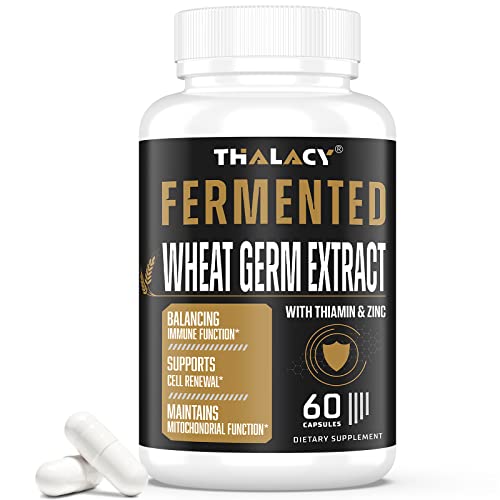
Spermidine is a naturally occurring polyamine found in wheat germ, soybeans, mushrooms, and aged cheese. Like many compounds the body produces endogenously, spermidine levels are often described as declining with age, although a whole-blood study of 78 people found the lowest levels at ages 60 to 80 rather than in the oldest group, a pattern researchers have begun to examine [12] as a potential contributor to cognitive aging. Because spermidine induces autophagy in cell and animal studies, the cellular housekeeping process [13] that clears damaged proteins and organelles, scientists have hypothesized that restoring or maintaining spermidine availability could help preserve the biological environment the brain needs to function well over time.
Interest in spermidine for brain health has moved beyond hypothesis into a modest but growing set of human trials. Several randomized controlled trials conducted primarily in Europe have now tested spermidine supplementation in older adults, including those at elevated risk for dementia or reporting subjective cognitive decline. This article summarizes what those trials found, how researchers think spermidine might influence the aging brain, and where the evidence remains genuinely limited. These statements have not been evaluated by the FDA; this is informational content, not medical advice.
Key Takeaways
- A small pilot trial reported moderately better memory performance on a spermidine-rich extract in older adults with subjective cognitive decline, but its 95% confidence interval crossed zero, while a larger 12-month trial found no significant change in memory performance [1][2].
- Higher dietary spermidine intake has been linked to greater cortical thickness and larger hippocampal volume in observational neuroimaging data [3], though observational studies cannot confirm causation.
- Proposed mechanisms include autophagy induction, spermidine-driven hypusination of the translation factor eIF5A, and mitochondrial preservation: pathways with support in both cell and animal research [4][5].
- Human trials to date are small and mixed, and the largest did not meet its primary memory endpoint; replication in larger, longer studies is needed [2][14] before firm conclusions can be drawn about spermidine as a cognitive-support intervention.
- Spermidine is found in common dietary sources including wheat germ, soybeans, and aged cheese, and published human trials have used about 1 mg/day of spermidine from extracts up to 15 to 40 mg/day of purified spermidine, with good tolerability reported by the trial authors [15][2].
What Is Spermidine and Why Do Researchers Link It to Brain Aging?
Spermidine belongs to a class of small molecules called polyamines that are present in virtually every cell in the body. Polyamines play roles in DNA stabilization, protein synthesis, and cell growth. In the brain, spermidine also interacts with NMDA glutamate receptors, which regulate synaptic plasticity: the cellular basis of learning and memory. Glutamate signaling is tightly regulated in healthy brain tissue; when it becomes dysregulated, as researchers have observed in neurodegenerative conditions, excitotoxic damage can follow [6].
Spermidine is often described as declining with age, but a whole-blood study of 78 people found the lowest spermidine and spermine at ages 60 to 80 rather than in the oldest group, so no steady fall was shown [12]. This temporal overlap has led researchers to investigate whether supplementing spermidine back toward younger physiological levels could slow or partially offset age-related cognitive decline. The primary proposed mechanism is autophagy induction: spermidine triggers cells to break down and recycle damaged components, including aggregated proteins of the sort implicated in Alzheimer’s disease pathology [4][8].
Early Human RCT Evidence: Memory in Older Adults at Risk for Dementia
One of the first randomized controlled trials to test spermidine supplementation in humans enrolled older adults who were cognitively intact but considered at elevated risk for dementia based on memory complaints and performance. Participants received either a spermidine-rich plant extract or placebo over three months. Memory performance was described as moderately better in the spermidine group, but the 95% confidence interval for the between-group contrast (-.01 to .35) crossed zero [1]. The trial was small and results were preliminary, but it provided an early signal that the animal-model findings might translate to humans.
Research note: In SmartAge, exploratory (not primary) analyses suggested possible benefits of spermidine wheat germ extract on inflammation and verbal memory, but the primary endpoint was null, so these are hypotheses for future trials [2].
A complementary observational analysis examined serum spermidine levels in older adults across a cognitive spectrum, from healthy aging through diagnosed dementia. Lower spermidine concentrations were associated with older age and poorer memory performance, a link that does not show which comes first [8][16]. This kind of association does not establish causation, but it supports the biological plausibility of supplementation trials.
Other cohorts point the other way. In 659 adults in the SHIP-TREND cohort, higher plasma spermidine was linked to lower hippocampal volume, a higher Alzheimer’s disease score and thinner global cortex, and studies of dietary spermidine intake and brain structure disagree with each other. These are associations with blood levels or food estimates, not supplement effects [16][18].

The SmartAge Trial: A Rigorous Test in Subjective Cognitive Decline
The SmartAge study was designed as a larger, more rigorous test of spermidine’s cognitive effects. Its protocol, published in 2019, outlined a twelve-month double-blind, placebo-controlled trial targeting older adults with subjective cognitive decline: a population that reports noticeable memory slippage but does not yet meet criteria for mild cognitive impairment or dementia. Subjective cognitive decline is considered a clinically meaningful early risk stage, making this an appropriate population for a prevention-oriented intervention [9].
Results published in JAMA Network Open in 2022 reported that participants receiving spermidine supplementation showed no significant change in memory performance compared with placebo over the twelve-month period. The trial also examined biomarkers including inflammatory markers, and blood polyamine levels were not altered after 12 months [2]. The authors concluded that spermidine supplementation did not modify memory and biomarkers compared with placebo, while noting that exploratory signals on verbal memory and inflammation need to be validated in future studies [2]. This publication in a major peer-reviewed journal represented a meaningful step forward for the field, though the study was still relatively modest in size.
The SmartAge authors suggest the 0.9 mg/day dose may have been too low. A lead author was chief executive officer of the supplement maker The Longevity Labs while the trial was conducted, other authors report equity or advisory roles there, and the company helped fund development of the extract alongside public grants [2].
Brain Structure: Cortical Thickness and Hippocampal Volume
Beyond cognitive test scores, researchers have examined whether spermidine intake is associated with measurable differences in brain structure. In an observational neuroimaging study, higher dietary spermidine intake was associated with greater cortical thickness and larger hippocampal volume in older adults [3]. The hippocampus is a key region for memory consolidation and one of the first areas to show atrophy in Alzheimer’s disease, so this structural finding is biologically relevant even though it does not prove that spermidine caused the difference.
Preclinical work and mechanistic studies offer a possible explanation for such structural differences, which come from food-frequency estimates rather than supplement trials [3]. Spermidine-induced autophagy may help clear cellular debris in neurons, reducing the accumulation of damaged mitochondria and misfolded proteins that otherwise impair neural function and contribute to volume loss over time. Animal model data published in Cell Reports found that dietary spermidine improved cognitive function, with findings pointing to autophagy as the operative mechanism [5]. The translation of these structural and mechanistic findings to human trials remains an active area of investigation.
Proposed Mechanisms: Autophagy, Hypusination, and Mitochondrial Health
Autophagy induction is the most widely cited mechanism by which spermidine is proposed to benefit the aging brain. By activating cellular recycling pathways, spermidine may help neurons clear aggregated proteins, including tau and amyloid-beta fragments implicated in Alzheimer’s disease pathology, before they accumulate to harmful levels. Research exploring Alzheimer’s disease through the lens of the polyamine stress response suggests that dysregulated polyamine metabolism may be a contributing factor in the chronic neuroinflammation and synaptic dysfunction seen in dementia [7].
A second and more recently characterized mechanism involves hypusination: a post-translational modification of a translation factor called eIF5A. Spermidine is the direct biochemical precursor required for hypusination. Research published in the journal Autophagy found that spermidine-induced hypusination of eIF5A was necessary for preserving mitochondrial function and cognitive performance in aging animal models, and that this pathway could be a key link between spermidine availability and neuronal energy metabolism [4]. Mitochondrial health is increasingly recognized as central to cognitive aging; neurons are extraordinarily energy-intensive cells, and mitochondrial deterioration impairs their function long before neurons die.
Additional animal research has explored gut-brain interaction pathways, with data suggesting that spermidine may influence brain health partly through its effects on systemic metabolism and gut-derived signaling [10]. Whether these mechanisms operate meaningfully in humans at dietary or supplemental doses is not yet established.
Early Clinical Observations in Dementia Populations
A three-month trial in 85 analysed nursing-home residents aged 60 to 96 gave bread rolls baked with wheat germ (3.3 mg spermidine per roll) to one group and rolls with wheat bran (1.9 mg per roll) to the other, so the intervention was a food and there was no placebo arm [11]. The largest gain was in the subgroup with mild dementia (MMSE up 2.23 points, p = 0.026), but the authors’ own significance threshold after Bonferroni correction was p < 0.0167, and they state that a placebo effect cannot be completely excluded. These results are preliminary and do not show a supplement benefit in dementia [11].
In the bread-roll trial, the mild-dementia gain (p = 0.026) did not pass the authors' own threshold of p < 0.0167
Bread rolls, not capsules
85 nursing-home residents aged 60 to 96 ate rolls with wheat germ (3.3 mg spermidine per roll) or with wheat bran (1.9 mg per roll) for 3 months.
A gain in one subgroup
In residents with mild dementia on the higher-spermidine rolls, MMSE rose 2.23 points (p = 0.026).
Bonferroni correction
The authors set significance at p < 0.0167 (0.05/3), so p = 0.026 is not significant by their own rule.
Comparator was a lower dose
The comparison group ate wheat bran rolls, and the authors say a placebo effect cannot be completely excluded.
The bread-roll result looks positive until it is held to the authors' own significance threshold.
Randomised trial in Styria, Austria. The intervention was a food (bread rolls), not a capsule extract or pure spermidine. Source: Pekar et al., Wiener klinische Wochenschrift 2021
Embed this chart
Free to reuse on your site. Copy the code below; please keep the credit link.
Taken together, the human evidence covers a spectrum: observational data linking dietary intake to brain structure [3], a small pilot trial in at-risk older adults whose memory difference had a confidence interval crossing zero, a larger 12-month trial that did not meet its primary memory endpoint [1][2], and a small nursing-home food trial without a placebo arm [11][1][2]. This is a meaningful body of emerging evidence, though every published trial to date has been relatively small and conducted over periods of three to twelve months. Long-term safety and efficacy data extending beyond two years in humans do not yet exist.
🛒 Where to Buy Spermidine
- Oxford Healthspan Primeadine Original
capsules, 1 mg spermidine per capsule, 3 capsules/day recommended: Whole-food wheat germ concentrate; includes other natural polyamines; most-cited premium brand in longevity community; batches independently tested by third-party labs per the brand. - Double Wood Supplements Spermidine
capsules, 10 mg wheat germ extract (standardized to provide spermidine) per capsule: Budget-accessible entry point; clearly labeled wheat germ extract source; Double Wood is a reputable US brand with good COA transparency. - Renue By Science Spermidine
capsules, 10 mg wheat germ extract per capsule, 1-2 capsules/day: Longevity-focused brand known for NMN and NAD precursors; offers spermidine as part of a stack ecosystem; good option for existing Renue customers
As an Amazon Associate we earn from qualifying purchases. Spermidine labels are easy to misread: the headline number is usually wheat germ extract weight, which can be several hundred times the spermidine inside it. Choose a product that states the milligrams of actual spermidine per serving along with the standardization percentage behind that figure, check the allergen disclosure if you avoid wheat, and with synthetic spermidine trihydrochloride confirm whether the stated milligrams refer to the salt or to the free base.
A Note on the Evidence
The human trials on spermidine and cognition are promising but small; most enrolled fewer than 100 participants and ran for twelve months or less, so long-term safety and efficacy beyond these timeframes remain unstudied. Individuals with wheat allergies should verify the source of any supplement, as most commercial spermidine is derived from wheat germ extract; anyone on medications affecting polyamine metabolism or NMDA receptor activity should consult a physician before supplementing.
Frequently Asked Questions
What does the best human trial evidence show about spermidine and memory?
The SmartAge randomized controlled trial, published in JAMA Network Open, found no significant difference in memory performance between twelve months of spermidine supplementation and placebo in older adults with subjective cognitive decline [2]. An earlier smaller RCT described memory performance as moderately better on the extract, but the 95% confidence interval crossed zero [1]. Both trials were modest in size and results should be considered preliminary pending larger replication studies.

How is spermidine thought to protect the aging brain?
The leading proposed mechanism is autophagy induction: spermidine triggers cells to break down and recycle damaged proteins and organelles, potentially clearing the kind of molecular debris linked to neurodegeneration. A second pathway involves hypusination of the translation factor eIF5A, which research has shown is necessary for preserving mitochondrial and cognitive function during aging [4]. Spermidine also modulates NMDA glutamate receptor activity, relevant because glutamate excitotoxicity has been implicated in neurodegenerative damage [6].
Is spermidine linked to Alzheimer's disease specifically?
Researchers have proposed that Alzheimer’s disease may involve a chronic maladaptive dysregulation of polyamine pathways, including spermidine, which over time could contribute to neuroinflammation and synaptic dysfunction [7]. Animal model work and preliminary human data support the idea that spermidine may have relevance to Alzheimer’s pathology, but no human trial has yet demonstrated that supplementation prevents or reverses Alzheimer’s disease. This remains an active area of early-stage research.
Does spermidine affect brain structure, not just cognitive test scores?
An observational neuroimaging study found that higher habitual dietary spermidine intake was associated with greater cortical thickness and larger hippocampal volume in older adults [3]. These are structural brain measures relevant to cognitive reserve, but because this was an observational study, it cannot confirm that spermidine caused these differences. Randomized trials with neuroimaging endpoints are needed to test this link directly.
What dietary sources provide spermidine naturally?
Wheat germ is among the richest dietary sources of spermidine, followed by soybeans, mushrooms, aged cheeses, and certain fermented foods. Most supplemental spermidine is derived from wheat germ extract. Spermidine levels are often described as declining with age [8], and researchers have explored whether supplementation can restore levels toward those seen in younger adults. However, no human interventional study has measured a rise in plasma spermidine, and blood polyamines were unchanged in SmartAge [17][2].
How long do I need to take spermidine before potential cognitive effects appear?
The 12-month SmartAge trial [2] did not meet its primary memory endpoint, and the three-month trials [1][11] gave only preliminary signals, one with a confidence interval crossing zero and one without a placebo arm. SmartAge is the longest published controlled test to date. Whether effects build up over months is not known, because no trial has shown a clear cognitive benefit [2][1][11]. Long-term data beyond two years in humans are not yet available, so the durability of any benefits is unknown.
References
- Wirth M et al. The effect of spermidine on memory performance in older adults at risk for dementia: A randomized controlled trial. Cortex; a journal devoted to the study of the nervous system and behavior (2018). PMID 30388439
- Schwarz C et al. Effects of Spermidine Supplementation on Cognition and Biomarkers in Older Adults With Subjective Cognitive Decline: A Randomized Clinical Trial. JAMA network open (2022). PMID 35616942
- Schwarz C et al. Spermidine intake is associated with cortical thickness and hippocampal volume in older adults. NeuroImage (2020). PMID 32629145
- Hofer SJ et al. Spermidine-induced hypusination preserves mitochondrial and cognitive function during aging. Autophagy (2021). PMID 34105442
- Schroeder S et al. Dietary spermidine improves cognitive function. Cell reports (2021). PMID 33852843
- Hynd MR et al. Glutamate-mediated excitotoxicity and neurodegeneration in Alzheimer's disease. Neurochemistry international (2004). PMID 15234100
- Polis B et al. Alzheimer's disease as a chronic maladaptive polyamine stress response. Aging (2021). PMID 33811757
- Pekar T et al. Spermidine in dementia : Relation to age and memory performance. Wiener klinische Wochenschrift (2020). PMID 31832773
- Wirth M et al. Effects of spermidine supplementation on cognition and biomarkers in older adults with subjective cognitive decline (SmartAge)-study protocol for a randomized controlled trial. Alzheimer's research & therapy (2019). PMID 31039826
- Minamisawa M et al. Amelioration of Alzheimer's Disease by Gut-Pancreas-Liver-Brain Interaction in an App Knock-In Mouse Model. Life (Basel, Switzerland) (2021). PMID 35054427
- Pekar T et al. The positive effect of spermidine in older adults suffering from dementia : First results of a 3-month trial. Wiener klinische Wochenschrift (2021). PMID 33211152
- Stefania Pucciarelli et al. Spermidine and Spermine Are Enriched in Whole Blood of Nona/Centenarians. Rejuvenation Research (2012). PMID 22950434
- Eisenberg T et al. Induction of autophagy by spermidine promotes longevity. Nature cell biology (2009). PMID 19801973
- Angelucci F et al. Spermidine in Alzheimer's Disease: Evidence from Animal Models and Human Studies. Degenerative neurological and neuromuscular disease (2026). PMID 42358231
- Alsaleh G et al. Spermidine Mitigates Immune Cell Senescence and Boosts Vaccine Responses in Healthy Older Adults-A Pilot Study. Aging cell (2026). PMID 42169618
- Wortha SM et al. Association of spermidine plasma levels with brain aging in a population-based study. Alzheimer's & dementia : the journal of the Alzheimer's Association (2023). PMID 36321615
- Thorup CV et al. POLYamine treatment in elderly patients with Coronary Artery Disease (POLYCAD): study protocol for a Danish randomised, double-blind, placebo-controlled trial of spermidine treatment versus placebo. Trials (2025). PMID 41168834
- Wortha SM et al. Association of spermidine blood levels with microstructure of sleep-implications from a population-based study. GeroScience (2024). PMID 37548882
These statements have not been evaluated by the Food and Drug Administration. This information is not intended to diagnose, treat, cure, or prevent any disease. Content is for informational purposes only and is not medical advice; consult a qualified healthcare provider before starting any supplement. As an Amazon Associate we earn from qualifying purchases.