Spermidine supplements are sold in a surprisingly wide range of doses, often with little explanation of where those numbers come from. Unlike compounds with a long clinical history, spermidine research in humans is still relatively young, and the trials that exist have tested meaningfully different amounts, from modest supplemental levels up to doses far above typical dietary intake. If you are asking how much spermidine to take, the most useful starting point is to look at what researchers have actually tested in people and what they observed.
This article summarizes the doses used in published human spermidine trials, what each study set out to measure, and what the findings revealed, including some counterintuitive results about high-dose supplementation that have direct implications for interpreting product labels. These statements have not been evaluated by the FDA; this is informational content, not medical advice.
Key Takeaways
- Human trials have tested spermidine doses ranging from low supplemental amounts up to 40 mg/day [1], but no consensus optimal dose has been established for any specific outcome.
- High-dose supplementation does not reliably raise spermidine concentrations in blood plasma or saliva: a finding replicated in two separate human studies [2][1].
- A 2026 UK pilot of a wheat germ extract in 40 adults over 65 was designed mainly to assess safety and was not powered for efficacy, so its immune and vaccine results are exploratory; the antibody rise was seen only in the 8 vaccine non-responders, with no significant change in the 12 responders, and the supplement maker The Longevity Labs supplied the extract and helped fund the work [3].
- Spermidine was well tolerated in the small, short trials published so far, and the phase II safety trial reported no serious adverse event rated as related to treatment; in SmartAge, more musculoskeletal adverse events occurred on wheat germ extract than on placebo (11 participants versus 4), though the trial was not designed to prove a link. Wheat-derived sources are relevant for those with wheat allergies [4][8].
- Human supplementation trials so far have been short (the longest described here ran 12 months), and dose-response relationships in humans are not yet well defined [8].
The Dose Range Tested in Human Research
Human spermidine trials have explored a fairly broad range. On the lower end, early work evaluated doses within or modestly above what a spermidine-rich diet might provide. A 2018 safety and tolerability study in older adults with subjective cognitive decline [4] was one of the first to examine whether supplemental spermidine was acceptable in a human population: an important first step before researchers could confidently move to larger efficacy trials. That study’s primary purpose was to establish that spermidine could be given to humans without meaningful harm, rather than to identify an optimal dose.
Human trials tested spermidine from 0.9 mg to 40 mg a day, delivered as three different materials
The milligrams depend on what was swallowed, so a dose from one trial cannot be carried over to a different product.
Spermidine delivered per day in each trial. Different people, durations and materials, so this lists what was tested and is not a dose-response curve. Source: Schwarz et al., JAMA Network Open 2022; Schwarz et al., Aging 2018; Senekowitsch et al., Nutrients 2023; Keohane et al., Nutrition research (New York, N.Y.) 2024
Data table
| Item | Value |
|---|---|
| SmartAge, wheat germ extract | 0.9 mg |
| Phase II pilot, wheat germ extract | 1.2 mg |
| Chlorella and soy capsules | 15.0 mg |
| Synthetic spermidine trihydrochloride | 40.0 mg |
Embed this chart
Free to reuse on your site. Copy the code below; please keep the credit link.
At the higher end of the tested range, a 2024 randomized controlled trial administered 40 mg per day to older men [1]a dose substantially above what most dietary sources would deliver. The trial was exploratory and double-blind, examining whether that level of supplementation would move circulating polyamine levels. The span between these two anchoring studies captures most of what has been tested in humans to date, and no regulatory body or research consensus has settled on a single recommended dose for any specific outcome.
A Surprising Finding: Higher Doses May Not Raise Blood Levels
One of the more striking results to emerge from recent human pharmacokinetic research is that taking more spermidine does not reliably translate into higher concentrations in blood. A 2023 randomized placebo-controlled study specifically designed to examine absorption found that high-dose spermidine supplementation did not increase spermidine levels in blood plasma or saliva of healthy adults [2]. This was a pharmacokinetic and metabolomic investigation, meaning researchers were directly measuring what happened to spermidine after it was ingested, not inferring it.
Research note: In SmartAge, adverse events and serious adverse events were balanced between the spermidine wheat germ extract and placebo groups, and blood safety parameters showed no significant changes in either group [8].
The 2024 trial testing 40 mg per day reached a similar conclusion, finding minimal effects on circulating polyamines in older men [1]. Together these findings raise a legitimate scientific question that anyone evaluating spermidine supplements should consider: does the number on the label correspond to anything measurable in the body? Proposed explanations include gut bacteria metabolizing spermidine before systemic absorption, or the body’s own polyamine synthesis and degradation pathways regulating levels independently of intake. Neither explanation has been definitively confirmed, and the mechanism by which oral spermidine might still exert biological effects despite not raising blood levels is an active area of investigation.
The same was true at the low doses used in the wheat germ extract trials: in SmartAge, blood polyamine levels were not altered after the 12-month intervention, as in the authors’ earlier phase 2a study [8].

What Human Trials Have Actually Measured
Early human research prioritized safety. The 2018 study [4] focused on tolerability in older adults with subjective cognitive decline: a population chosen because preclinical data on autophagy and neuronal health made cognitive aging a plausible area of interest (whether spermidine levels fall steadily with age is itself unsettled) [9]. The finding that supplemental spermidine was safe and tolerable in this group provided the basis for more ambitious follow-on research.
More recent work has shifted toward functional outcomes. A 2026 pilot study in healthy older adults examined whether spermidine supplementation could reduce immune cell senescence, the process by which immune cells age and lose responsiveness, and whether it improved vaccine responses [3]. The authors describe mitigated immune cell senescence and boosted vaccine responses, but the primary endpoint was safety and the study was not powered for efficacy, so these results are exploratory. The antibody rise appeared only in the 8 vaccine non-responders, not in the 12 responders, and the extract and placebo came from the supplement maker The Longevity Labs, which also helped fund the work [3]. The authors described this as a pilot study, which means the results are preliminary and would require replication in larger, longer trials before firm conclusions can be drawn.
The Proposed Mechanism and Why It Complicates Dose Thinking
Spermidine is a naturally occurring polyamine found in wheat germ, soybeans, aged cheeses, and many other foods; whether its levels fall steadily with age in humans is unsettled [9]. In animal models, spermidine has been shown to induce autophagy: the cellular process by which damaged proteins and organelles are broken down and recycled. Robust autophagy is associated with healthier cellular aging in preclinical research, which is the theoretical basis for investigating spermidine as a potential healthspan-supporting compound in humans.
The dosing complication is this: if blood levels do not rise predictably with higher supplemental doses [2][1], it is difficult to establish a straightforward dose-response curve in the way that is standard for most pharmaceuticals. Some researchers have suggested that gut-level effects on polyamine-producing bacteria might matter independently of systemic absorption. Others propose that even transient elevations in mucosal tissue could be sufficient to trigger autophagy signals. These are working hypotheses, not established facts, and they highlight why translating animal dosing data to human recommendations is not straightforward.
Safety Across the Tested Range
Across published human trials, spermidine supplementation has been well tolerated. The 2018 safety study [4] reported acceptable tolerability in older adults. The 2023 high-dose pharmacokinetic study [2] and the 2024 trial at 40 mg per day [1] did not report serious adverse events attributed to spermidine. This is broadly consistent with spermidine’s status as a compound present in many common foods.
Two practical caveats apply regardless of dose. Most commercial spermidine supplements derive their active compound from wheat germ extract. Individuals with wheat allergies or celiac disease should verify the source and manufacturing process before use. Additionally, the longest human trial described here lasted 12 months, so the long-term safety profile of sustained high-dose supplementation has not been characterized [8]. Anyone managing a chronic condition or taking prescription medications should consult a physician before adding spermidine to their routine.
Interpreting the Evidence When Choosing a Dose
Given the current state of human trial data, an honest summary of dosing looks like this. Published studies have tested doses from modest supplemental levels up to 40 mg per day [1]. Small, short trials across this range reported no serious adverse events attributed to spermidine, which is not the same as demonstrated safety [4][1]. However, the finding that higher doses do not reliably raise circulating spermidine [2][1] means that the assumption ‘more is better’ is not well supported by the available pharmacokinetic evidence.
The most functionally interesting human signal, an antibody rise in vaccine non-responders only, comes from a pilot study that was small, exploratory by design and supported by the supplement maker [3]. It would be premature to use those results as dosing guidance. The honest position is that spermidine human research is still early-stage, the bioavailability findings are a genuine scientific challenge that the field has not yet resolved, and product labels that imply a direct relationship between dose and biological effect are getting ahead of what the published evidence actually demonstrates.
🛒 Where to Buy Spermidine
- Oxford Healthspan Primeadine Original
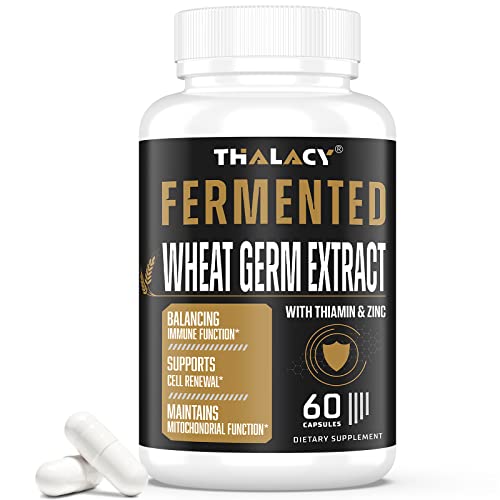
capsules, 1 mg spermidine per capsule, 3 capsules/day recommended: Whole-food wheat germ concentrate; includes other natural polyamines; most-cited premium brand in longevity community; batches independently tested by third-party labs per the brand. - Double Wood Supplements Spermidine
capsules, 10 mg wheat germ extract (standardized to provide spermidine) per capsule: Budget-accessible entry point; clearly labeled wheat germ extract source; Double Wood is a reputable US brand with good COA transparency. - Renue By Science Spermidine
capsules, 10 mg wheat germ extract per capsule, 1-2 capsules/day: Longevity-focused brand known for NMN and NAD precursors; offers spermidine as part of a stack ecosystem; good option for existing Renue customers
As an Amazon Associate we earn from qualifying purchases. Spermidine labels are easy to misread: the headline number is usually wheat germ extract weight, which can be several hundred times the spermidine inside it. Choose a product that states the milligrams of actual spermidine per serving along with the standardization percentage behind that figure, check the allergen disclosure if you avoid wheat, and with synthetic spermidine trihydrochloride confirm whether the stated milligrams refer to the salt or to the free base.
Human Clinical Trials: Establishing a Baseline Spermidine Dosage
While extensive animal research has illuminated spermidine’s profound effects, human clinical trials are the most direct evidence on dosing, although none has yet identified a dose that works [8][7]. Early observational work, most prominently the Bruneck cohort study of 829 adults aged 45 to 84 followed for two decades, linked higher dietary spermidine intake to lower all-cause mortality (hazard ratio 0.76 after full adjustment, 95% CI 0.67 to 0.86). This is an association with food-questionnaire intake estimates, not a supplement effect [5].
A separate analysis found dietary spermidine intake also correlated with lower blood pressure and a lower incidence of cardiovascular disease.[6] These studies, however, focused on dietary consumption rather than isolated supplementation.
More recent interventional trials have tested supplemental spermidine, but none has established an effective dose [8][7]. The first of these was a three-month, randomised, placebo-controlled Phase IIa pilot in 30 older adults with subjective cognitive decline, using a spermidine-rich wheat germ extract [7].
It described memory performance as moderately better than placebo, but the 95% confidence interval for the between-group contrast ran from -0.01 to 0.35, so it included zero; the authors based their interpretation on effect sizes (Cohen’s d = 0.77, 95% CI 0 to 1.53), not significance. The pilot extract was 750 mg of wheat germ extract per day that provided 1.2 mg spermidine along with 0.6 mg spermine and 0.2 mg putrescine, so it was not pure spermidine [7][4].
A companion safety and tolerability trial, published in 2018, gave the same wheat germ extract (1.2 mg spermidine per day, with spermine and putrescine) for three months to the same population and found no differences from placebo in vital signs, weight, clinical chemistry or haematology. Four authors declared a financial interest in the supplement maker The Longevity Labs, and the capsules came from the company [4]. The larger test came in 2022: the SmartAge trial, a 12-month, double-masked, placebo-controlled Phase 2b study in 100 older adults at 0.9 mg/day of spermidine from wheat germ extract [8]. A lead author was chief executive officer of the supplement maker The Longevity Labs while the trial ran, and the company helped fund extract development alongside German public grants [8].
Its primary outcome was negative: no significant change in memory performance versus placebo (between-group difference -0.03, 95% CI -0.11 to 0.05, P = .47), and no significant change in secondary outcomes either. Exploratory analyses hinted at possible effects on verbal memory and inflammation, which the authors explicitly noted would need validating in future studies at a higher dose.[8] Taken together, these trials did not show a dose that produces an observable benefit; the SmartAge authors themselves suggest the 0.9 mg per day dose may have been too low [8].
A Note on the Evidence
Human spermidine research consists largely of small, short-duration trials, and no optimal dose for any specific health outcome has been established; individuals with wheat allergies, those who are pregnant or breastfeeding, or anyone taking prescription medications should consult a qualified healthcare professional before supplementing. These statements have not been evaluated by the FDA; this product is not intended to diagnose, treat, cure, or prevent any disease.
Frequently Asked Questions
What doses of spermidine have actually been used in human clinical trials?
Published human trials have tested a range of doses. A 2018 safety study evaluated supplemental doses in older adults with subjective cognitive decline [4], while a 2024 randomized controlled trial tested 40 mg per day in older men [1]. No single dose has been established as optimal for any specific health outcome, and most studies have been small and short in duration.

Does taking a higher dose of spermidine result in more getting into the bloodstream?
Based on current evidence, not necessarily. A 2023 pharmacokinetic study found that high-dose supplementation did not increase spermidine levels in blood plasma or saliva of healthy adults [2]. A 2024 trial testing 40 mg per day also found minimal effects on circulating polyamine levels [1]. The relationship between oral dose and tissue exposure is more complex than most product labels suggest.
What functional outcomes have human spermidine trials investigated?
Early trials focused on safety and tolerability [4]. More recent work has examined circulating polyamine levels, pharmacokinetics, and functional endpoints like immune aging markers. A 2026 pilot study of a wheat germ extract in 40 adults over 65 was designed mainly to assess safety and was not powered for efficacy, so its immune and vaccine results are exploratory; the antibody rise was limited to vaccine non-responders, and the supplement maker helped fund the work [3].
Is spermidine safe to supplement at the doses used in trials?
Across published human trials, spermidine has been well tolerated with no serious adverse events attributed to supplementation at the tested doses [4][2][1]. Most commercial products use wheat germ as the spermidine source, which is relevant for individuals with wheat allergies. Human supplementation trials so far have been short, with the longest described here lasting 12 months [8].
How does spermidine's proposed mechanism affect how we think about dosing?
Spermidine is proposed to work primarily by inducing autophagy, the cellular recycling process, based largely on animal model data. Because higher oral doses do not reliably raise blood levels [2], establishing a minimum effective dose through standard pharmacological reasoning is difficult. Whether gut-level effects or transient tissue exposure could account for any biological activity at supplemental doses remains an open research question.
How do supplemental doses compare to what is found in food?
Spermidine occurs naturally in wheat germ, soybeans, and aged cheeses; whether its levels fall steadily with age in humans is unsettled [9]. Supplemental trials have tested doses ranging from levels modestly above typical dietary intake up to 40 mg per day [1]. Whether doses at the higher end of the supplemental range offer advantages over lower amounts is not supported by the current bioavailability evidence, which found minimal differences in circulating levels across dose ranges [2].
References
- Keohane P et al. Supplementation of spermidine at 40 mg/day has minimal effects on circulating polyamines: An exploratory double-blind randomized controlled trial in older men. Nutrition research (New York, N.Y.) (2024). PMID 39405978
- Senekowitsch S et al. High-Dose Spermidine Supplementation Does Not Increase Spermidine Levels in Blood Plasma and Saliva of Healthy Adults: A Randomized Placebo-Controlled Pharmacokinetic and Metabolomic Study. Nutrients (2023). PMID 37111071
- Alsaleh G et al. Spermidine Mitigates Immune Cell Senescence and Boosts Vaccine Responses in Healthy Older Adults-A Pilot Study. Aging cell (2026). PMID 42169618
- Schwarz C et al. Safety and tolerability of spermidine supplementation in mice and older adults with subjective cognitive decline. Aging (2018). PMID 29315079
- Kiechl S et al. Higher spermidine intake is linked to lower mortality: a prospective population-based study. The American Journal of Clinical Nutrition (2018). PMID 29955838
- Eisenberg T et al. Cardioprotection and lifespan extension by the natural polyamine spermidine. Nature Medicine (2016). PMID 27841876
- Wirth M et al. The effect of spermidine on memory performance in older adults at risk for dementia: A randomized controlled trial. Cortex (2018). PMID 30388439
- Schwarz C et al. Effects of Spermidine Supplementation on Cognition and Biomarkers in Older Adults With Subjective Cognitive Decline: A Randomized Clinical Trial. JAMA Network Open (2022). PMID 35616942
- Stefania Pucciarelli et al. Spermidine and Spermine Are Enriched in Whole Blood of Nona/Centenarians. Rejuvenation Research (2012). PMID 22950434
These statements have not been evaluated by the Food and Drug Administration. This information is not intended to diagnose, treat, cure, or prevent any disease. Content is for informational purposes only and is not medical advice; consult a qualified healthcare provider before starting any supplement. As an Amazon Associate we earn from qualifying purchases.